




Indianapolis Dept. of Public Safety Study Says City Could Save $8M Per Year With Plug-in Hybrids
The Indianapolis' Department of Public Safety's (DPS') Vehicle Fleet Efficiency Team conducted a study that found that switching the 1,035 vehicles owned by DPS to plug-in hybrids could save close to $8 million over a five-year period.
A group in the Indianapolis Department of Public Safety called the DPS Vehicle Fleet Efficiency Team conducted a study that found that switching the 1,035 vehicles owned by the City’s Public Safety Department (DPS) to alternative fuel types could save close to $8 million over a five-year period.
The report focuses on the difference in annual fuel costs for non-patrol vehicles in DPS’ fleet versus plug-in hybrids to calculate savings. It uses a figure of 100 MPG to calculate the fuel costs for plug-in hybrid vehicles and 13.5 MPG for the fuel economy for DPS’ non-hybrid vehicles. The two vehicle models cited in the report for comparison are the Dodge Charger and Ford Fusion Energi (the plug-in hybrid version of the Fusion).
The report found that the net savings over a five-year period would be $3,725,778.30 by going with the plug-in hybrid. Next, the report factors in savings from using available incentives for the purchase of plug-in hybrid models, bringing the total up to $7,607,028. From there, the report factors in the difference in the resale value of the plug-in hybrid models versus gasoline models, at $4,742 per vehicle, for an additional savings of $4,907,970. The report does factor in the difference in purchase price between the two models.
The final net savings, without incentives, between the gasoline and plug-in hybrid models in the report is $8,633,748 over five years. By including incentives, the savings increase to $12,514,998 over five years.
The recommendations in the report go on to say that DPS should begin purchasing plug-in hybrids to replace 643 vehicles in the Indianapolis Metro Police Department (IMPD). The DPS report goes on to suggest that diesel-fueled vehicles in DPS’ fleet should switch to B20 and to conduct a study to determine whether switching gasoline-fueled vehicles to E85 would help transition DPS away from the use of foreign oil.
Beyond recommending DPS purchase alt-fuel vehicles, the report details issues with the current fleet replacement program, noting that the current age of DPS vehicles and apparatus has fallen behind the City’s approved replacement schedule and increasing maintenance costs. The report suggests that the City should create a fund to pay for fleet replacements and to follow a structured vehicle replacement plan.
More Green Fleet
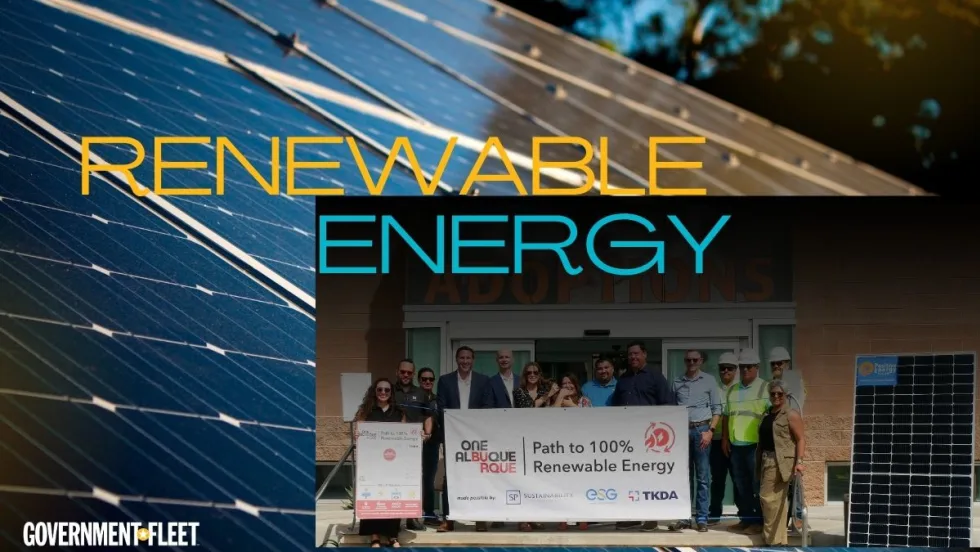
Sustainability Partners, Energy Systems Group Help Albuquerque Close the Gap on its 100% Renewable Energy Goal
The eight-site, 6 MW solar project has advanced the city toward 100% renewable energy for municipal operations.
Read More →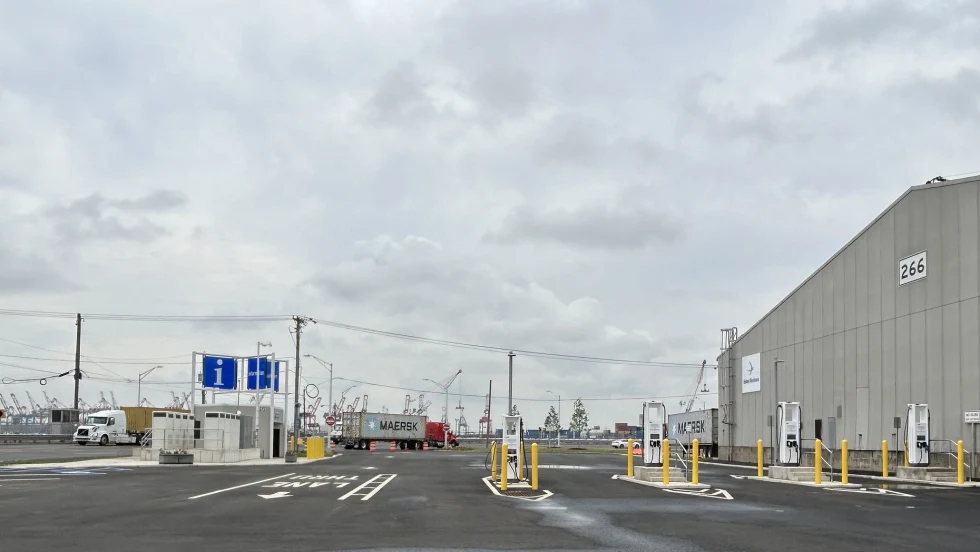
Port Authority and CALSTART Launch $45 Million Electric Truck and Charging Programs
The programs aim to boost sustainable operations across the East Coast's busiest seaport.
Read More →
Moving Government Fleets Beyond the Vehicle Purchase: EV as a Service
A discussion on how EVaaS is moving beyond pilot programs and what fleets should consider before beginning a larger deployment.
Read More →
Moving Government Fleets Beyond the Vehicle Purchase: EV as a Service
As fleets move beyond small EV pilots, Sustainability Partners CEO Adam Cain explains how EVaaS can address the infrastructure and long-term planning required for larger deployments.
Read More →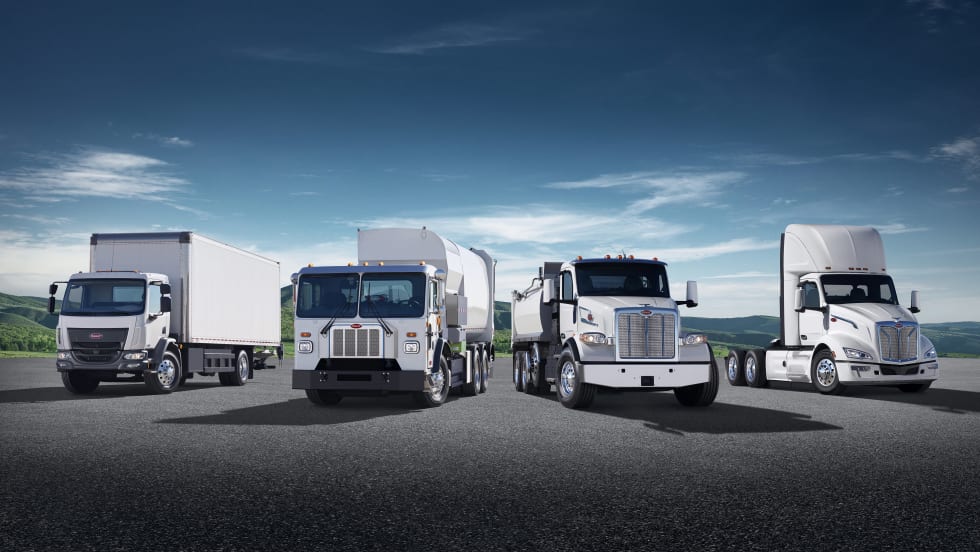
Peterbilt Expands Sourcewell Partnership with Electric Vehicle Lineup
The agreement aims to provide streamlined procurement of Peterbilt trucks for government, education, nonprofit and tribal organizations across the United States and Canada.
Read More →
EV Adoption & Charging Challenges
Where is your fleet in the journey of vehicle electrification? If you're still looking for answers to fleet electrification you've come to the right place.
Read More →
Hawaii Passes Clean Fuel Policy
Hawaii lawmakers passed clean fuel legislation that could support renewable natural gas production, biogas-powered transportation, and lower-carbon fueling options for public and commercial fleets.
Read More →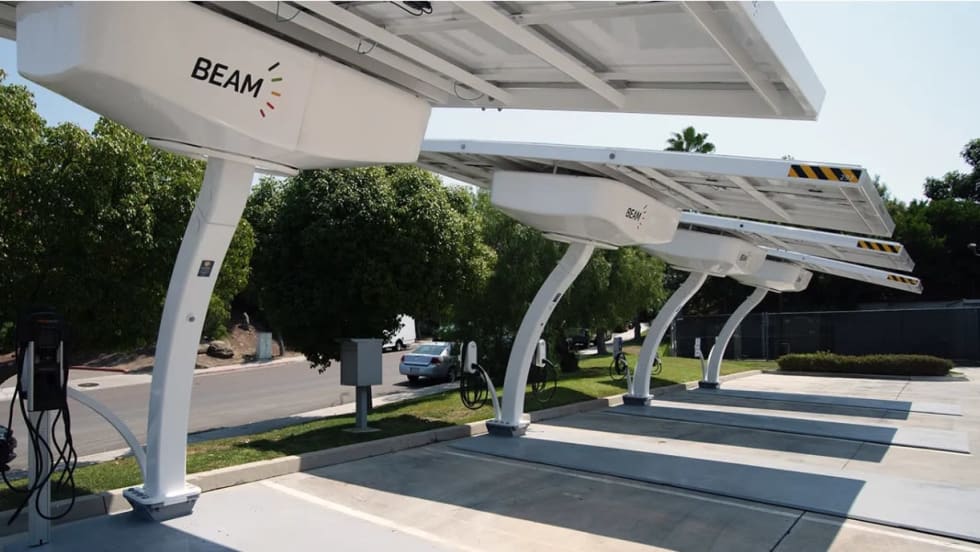
Stanislaus County Deploys Ten Beam Global EV ARC Systems to Support County Fleet Electrification
Stanislaus County deployed 10 off-grid solar-powered EV charging systems and a mobile charging trailer from Beam Global to support its electric fleet operations and emergency response flexibility.
Read More →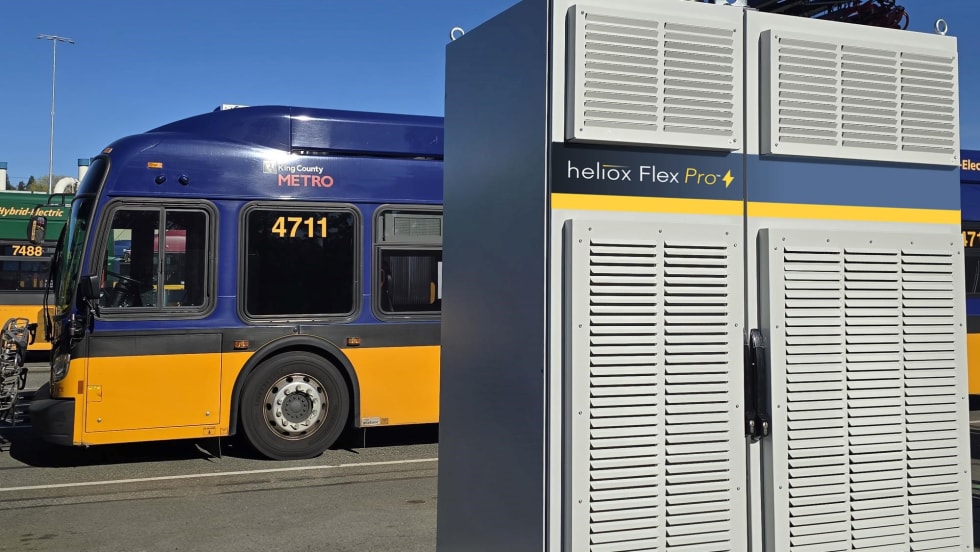
Heliox Pilots 480-kW Bus Charger with King County Metro
King County Metro is piloting Heliox’s new 480-kW Flex Pro charger to support expansion of its battery-electric bus fleet and depot charging infrastructure. The compact charging system supports pantograph and plug-in charging configurations for high-density transit operations.
Read More →