




Indianapolis Begins Rolling Out 425 EVs
The City of Indianapolis will upgrade 425 non-police pursuit sedans to plug-in hybrid and pure electric vehicles by 2016, cut its fleet size by 100 vehicles, and save $8.7 million over ten years.
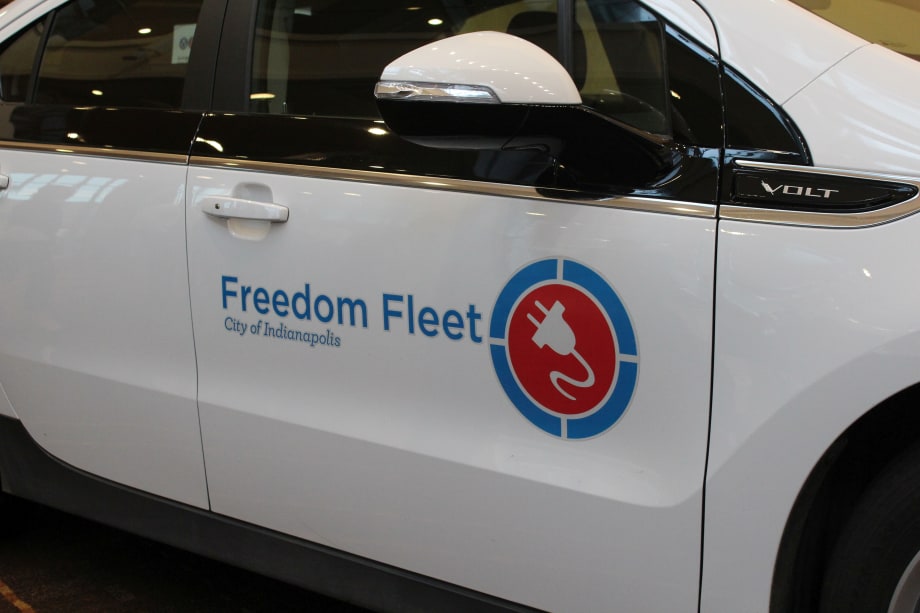
Photo courtesy of Vision Fleet
Photo courtesy of Vision Fleet
The City of Indianapolis plans to deploy the largest municipal fleet of electrified vehicles in the nation by early 2016. Through an initiative with Vision Fleet, the city will upgrade 425 non-police pursuit sedans to plug-in hybrid and pure electric vehicles, cut its fleet size by 100 vehicles, and save $8.7 million over ten years.
“This is a landmark step in revitalizing our aging fleet and replacing expensive internal combustion engine vehicles with cutting-edge EV technology, all while reducing our dependence on oil and saving Indianapolis taxpayers thousands in fuel costs each year,” said Mayor Greg Ballard. Ballard signed an executive order in 2012 mandating the purchase of EVs for the non-police passenger vehicles in the city’s fleet.
Vision Fleet, a San Francisco-based company focusing on the acceleration of alt-fuel adoption, developed a financing structure that bundles together all the expenses of purchasing, fueling, and maintaining the electric vehicles into a guaranteed rate that is lower cost than Indianapolis’ gasoline sedans. For maximum savings to the city, Vision Fleet will utilize its comprehensive suite of technology, data analytics, and operational support designed to reduce the cost of ownership of alt-fuel vehicles.
The new Indy fleet vehicles will include 100% electric models, such as the Nissan LEAF, as well as plug-in hybrid models such as the Chevrolet Volt and the Ford Fusion Energi, which offer extended range. The cars will be distributed throughout the fleet based on the needs of city fleet drivers and their departments and be branded as Indy’s “Freedom Fleet.” The city will replace 100 vehicles by the end of this year and 425 total vehicles by the beginning of 2016.
Each gasoline-powered sedan in Indy’s fleet would have cost taxpayers approximately $9,000 per year over the next decade, including purchase, fuel, maintenance, and insurance. Freedom Fleet vehicles will cost approximately $7,400 per year over that period, which would save taxpayers approximately $1,600 per year per vehicle.
At the Green Fleet Conference on Oct. 29, Mayor Ballard explained that pilot vehicles were monitored to calculate the potential savings. “We’ve been running some cars, looking at the telematics, seeing are they charging them, how many electric miles they’ve used, and how many gas miles they use. We’ve got that all together now, and we know how to do it now so we can roll it all out, and we know we’re going to save quite a bit of money.”
Vision Fleet CEO Michael Brylawski broke down savings estimates: “The first 14 plug-in hybrids deployed in Indianapolis’ Freedom Fleet have each saved an average of 53 gallons of gasoline per month. Each of the 425 EVs deployed by the beginning of 2016 will save at least 550-600 gallons of gas annually. Over the next 10 years, we expect Indianapolis will avoid 2.2 million gallons of expensive gasoline.”
Mayor Ballard said most drivers welcome the new EV plan, and he believes those who are reluctant about electric vehicles will soon change their minds. “When I originally brought hybrids, just electric hybrids, to the city in 2008, people were just against it,” he explained. “Two weeks later, everyone wanted that car.”
Related:
Indianapolis, Sacramento Forge Alt-Fuel Pact
Green Fleet Conference Panel Debunks Alt-Fuel Misconceptions
More Green Fleet
Sustainability Partners, Energy Systems Group Help Albuquerque Close the Gap on its 100% Renewable Energy Goal
The eight-site, 6 MW solar project has advanced the city toward 100% renewable energy for municipal operations.
Read More →
Port Authority and CALSTART Launch $45 Million Electric Truck and Charging Programs
The programs aim to boost sustainable operations across the East Coast's busiest seaport.
Read More →
Moving Government Fleets Beyond the Vehicle Purchase: EV as a Service
A discussion on how EVaaS is moving beyond pilot programs and what fleets should consider before beginning a larger deployment.
Read More →
Moving Government Fleets Beyond the Vehicle Purchase: EV as a Service
As fleets move beyond small EV pilots, Sustainability Partners CEO Adam Cain explains how EVaaS can address the infrastructure and long-term planning required for larger deployments.
Read More →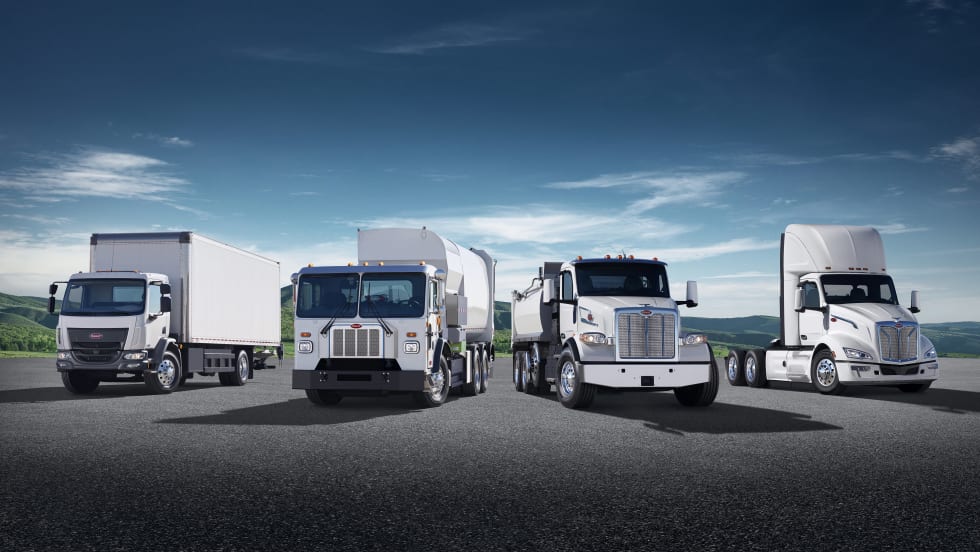
Peterbilt Expands Sourcewell Partnership with Electric Vehicle Lineup
The agreement aims to provide streamlined procurement of Peterbilt trucks for government, education, nonprofit and tribal organizations across the United States and Canada.
Read More →
EV Adoption & Charging Challenges
Where is your fleet in the journey of vehicle electrification? If you're still looking for answers to fleet electrification you've come to the right place.
Read More →
Hawaii Passes Clean Fuel Policy
Hawaii lawmakers passed clean fuel legislation that could support renewable natural gas production, biogas-powered transportation, and lower-carbon fueling options for public and commercial fleets.
Read More →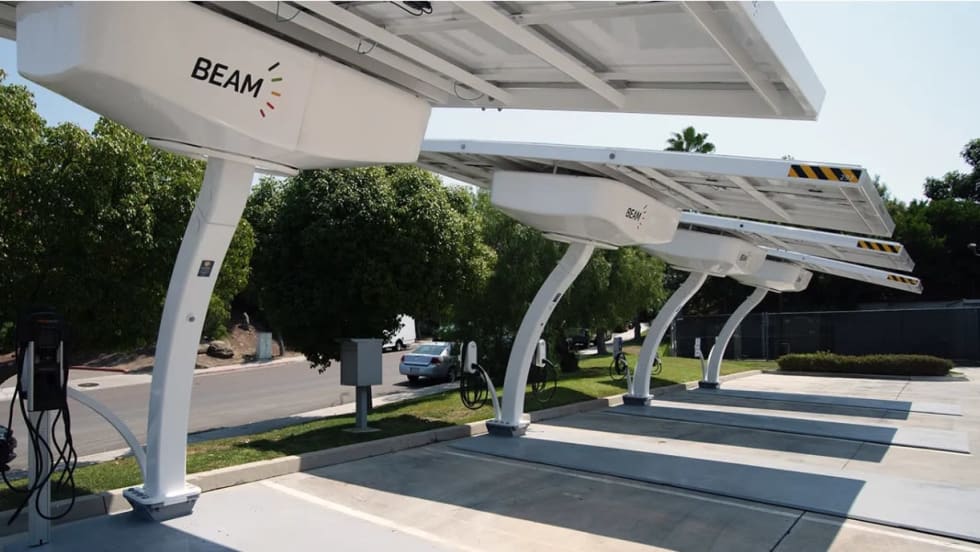
Stanislaus County Deploys Ten Beam Global EV ARC Systems to Support County Fleet Electrification
Stanislaus County deployed 10 off-grid solar-powered EV charging systems and a mobile charging trailer from Beam Global to support its electric fleet operations and emergency response flexibility.
Read More →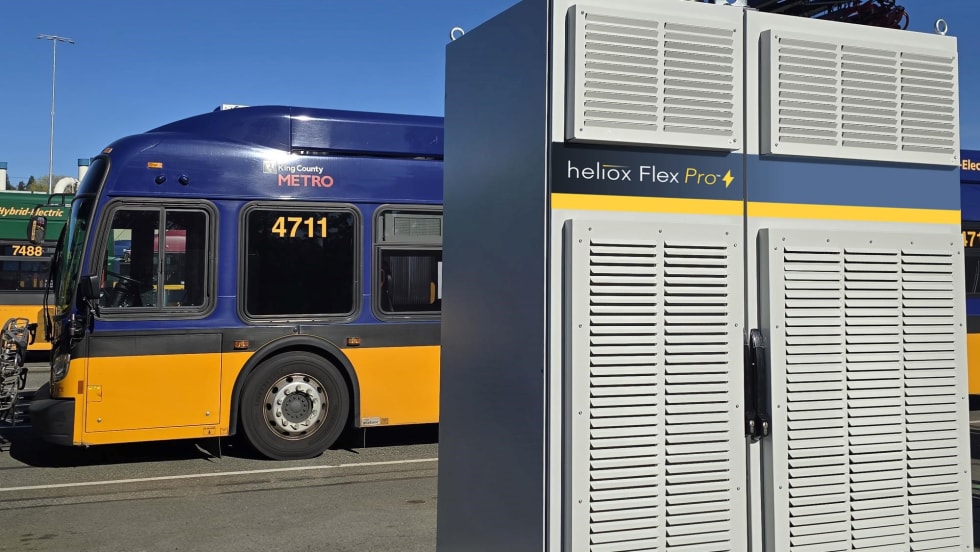
Heliox Pilots 480-kW Bus Charger with King County Metro
King County Metro is piloting Heliox’s new 480-kW Flex Pro charger to support expansion of its battery-electric bus fleet and depot charging infrastructure. The compact charging system supports pantograph and plug-in charging configurations for high-density transit operations.
Read More →