





Similar Content: New Tool Helps Fleets Analyze EV Adoption Options
HDR Enhances Zero Emissions Fleet Optimization Tool
The Zero+ Fleet Optimization and Feasibility Modeling Tool helps owners of public and private fleets consider a transition to electric, hydrogen fuel cell, hybrid, or compressed natural gas (CNG).
July 20, 2021
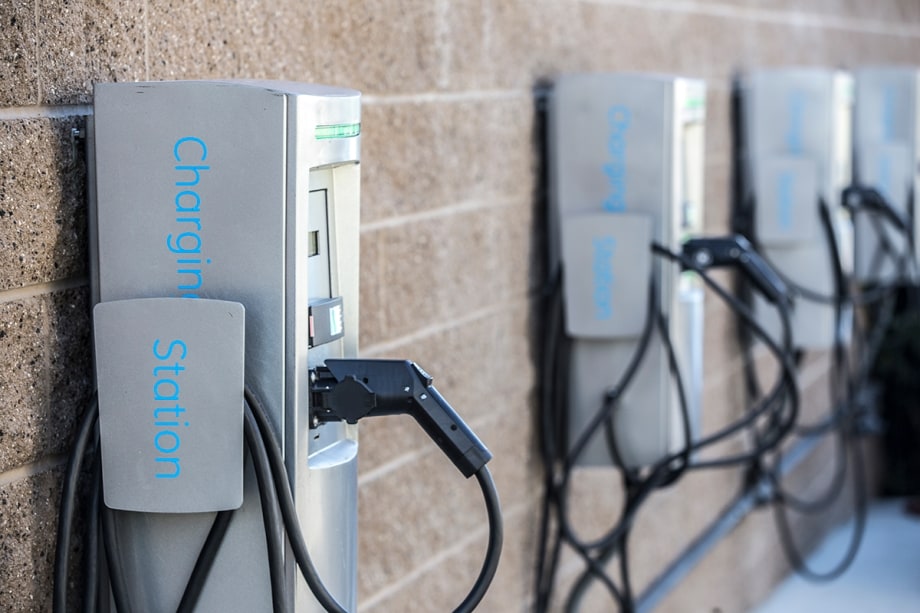
The Zero+ Fleet Optimization and Feasibility Modeling Tool helps operations analyze their fleet’s power consumption and charging/fueling infrastructure to understand the changes needed to support a phased transition.
Photo: HDR
2 min to read
HDR has upgraded its proprietary Zero+ Fleet Optimization and Feasibility Modeling Tool to evaluate fleets more precisely. The upgraded tool will better serve fleet owners making zero emissions transitions, with detailed analysis of power consumption and vehicle capabilities.
Working with international research and development consultant Mitacs and the University of Toronto, HDR integrated greenhouse gas emissions as an output capability and added new features to the fuel-neutral modeling tool, including GPS input capabilities, simulation models for vehicles from several OEMs, and the ability to adjust energy consumption based on year-round temperature data.
New Tool Helps Fleet Owners Evaluate the Zero Emissions Transition
The Zero+ Fleet Optimization and Feasibility Modeling Tool helps owners of public and private medium- and heavy-duty truck, bus and car fleets consider a transition to electric, hydrogen fuel cell, hybrid, or compressed natural gas (CNG). It helps them analyze their fleet’s power consumption and charging/fueling infrastructure to understand the changes needed to support a phased transition.
The tool’s tailored reports and recommendations lead to better informed decisions about fuel type, fleet size, routes, infrastructure, facilities, maintenance, and more. In a recent battery electric bus fleet transition evaluation, the Zero+ tool uncovered that en-route charging was a more cost-effective solution. Scenarios illustrated that en-route charging could support all on-street operations, and that it was more financially viable, conceivably saving $20 million in capital costs in addition to other advantages.
Customization Improves Scenario Accuracy
The enhanced tool uses a customized version of the National Renewable Energy Laboratory’s (NREL) Future Automotive Systems Technology Simulator (FASTSim) to provide vehicle energy consumption profiles using General Transit Feed Specification (GTFS) and GPS vehicle data for enhanced accuracy.
Good Data Drives Informed Decision-Making
Incorporating operational fleet data, the tool provides in-depth analysis of operating, charging/fueling, and energy cost scenarios for each individual vehicle. That data rolls up the analysis to operations and maintenance facilities, garages and bases, and then applies that to the entire operation. The resulting outputs give fleet operators key data on the most efficient and effective way to convert to zero emissions.
“We find that the ability to run iterative scenarios and the resulting detailed reports on projected energy usage, mileage capacity and recharging or refueling needs provide invaluable data that allows our clients to realistically consider the feasibility and operational viability of transitioning to zero emissions,” explained HDR’s Zero Emissions Mobility Practice Lead Rob Mowat. “Customizing the NREL FASTsim and incorporating GPS data makes it possible to provide this kind of actionable data for every type of fleet.”
More Green Fleet
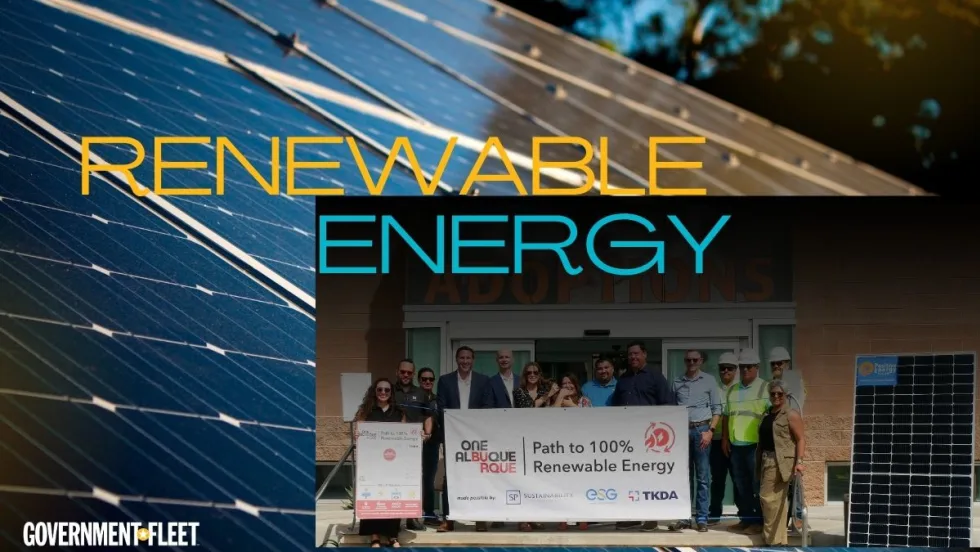
Sustainability Partners, Energy Systems Group Help Albuquerque Close the Gap on its 100% Renewable Energy Goal
The eight-site, 6 MW solar project has advanced the city toward 100% renewable energy for municipal operations.
Read More →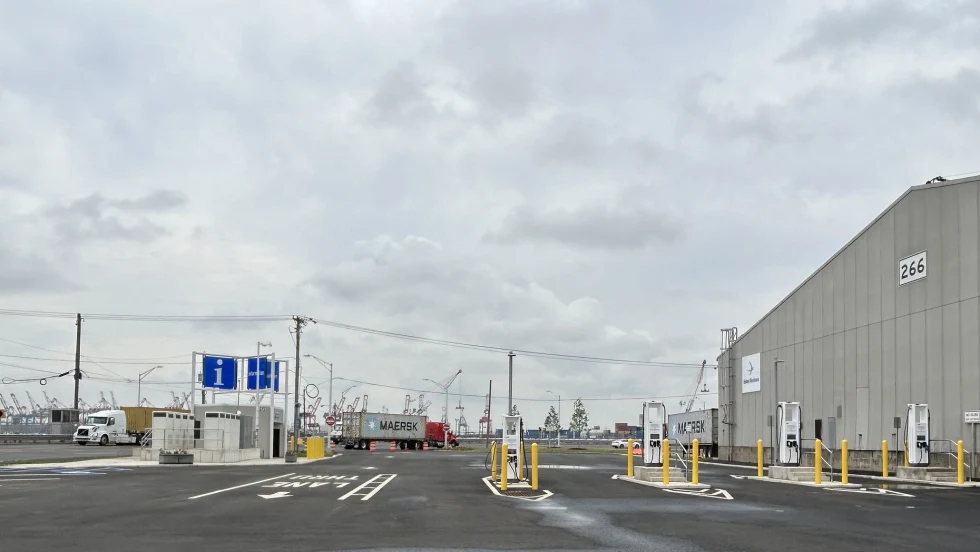
Port Authority and CALSTART Launch $45 Million Electric Truck and Charging Programs
The programs aim to boost sustainable operations across the East Coast's busiest seaport.
Read More →
Moving Government Fleets Beyond the Vehicle Purchase: EV as a Service
A discussion on how EVaaS is moving beyond pilot programs and what fleets should consider before beginning a larger deployment.
Read More →
Moving Government Fleets Beyond the Vehicle Purchase: EV as a Service
As fleets move beyond small EV pilots, Sustainability Partners CEO Adam Cain explains how EVaaS can address the infrastructure and long-term planning required for larger deployments.
Read More →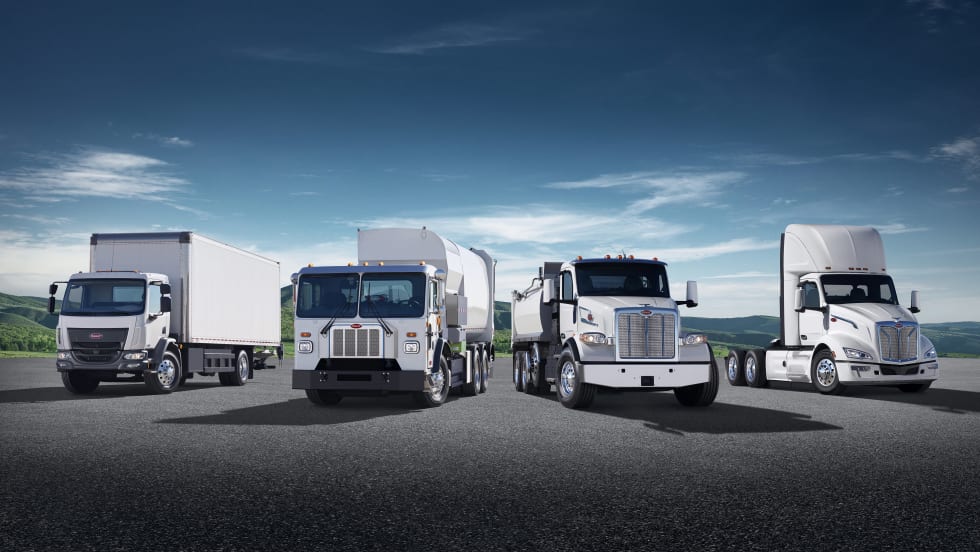
Peterbilt Expands Sourcewell Partnership with Electric Vehicle Lineup
The agreement aims to provide streamlined procurement of Peterbilt trucks for government, education, nonprofit and tribal organizations across the United States and Canada.
Read More →
EV Adoption & Charging Challenges
Where is your fleet in the journey of vehicle electrification? If you're still looking for answers to fleet electrification you've come to the right place.
Read More →
Hawaii Passes Clean Fuel Policy
Hawaii lawmakers passed clean fuel legislation that could support renewable natural gas production, biogas-powered transportation, and lower-carbon fueling options for public and commercial fleets.
Read More →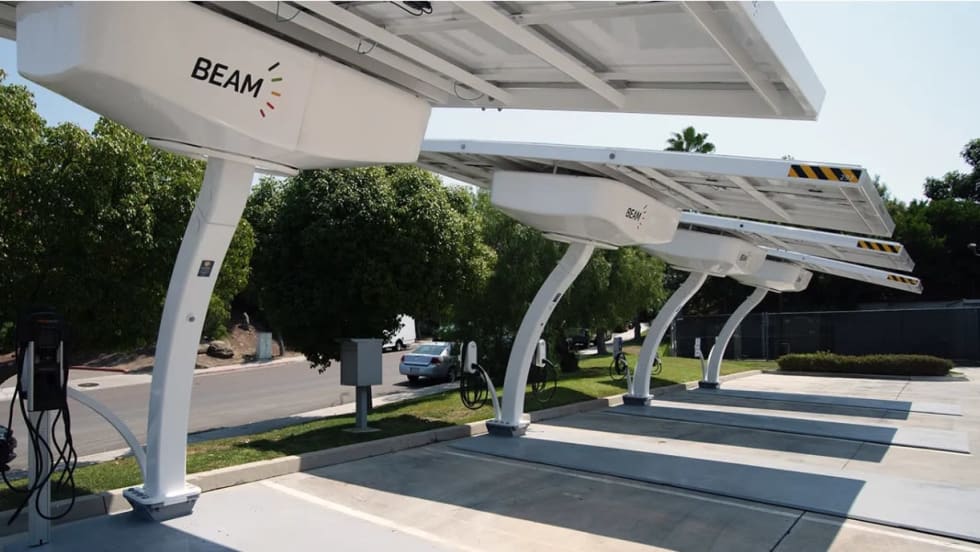
Stanislaus County Deploys Ten Beam Global EV ARC Systems to Support County Fleet Electrification
Stanislaus County deployed 10 off-grid solar-powered EV charging systems and a mobile charging trailer from Beam Global to support its electric fleet operations and emergency response flexibility.
Read More →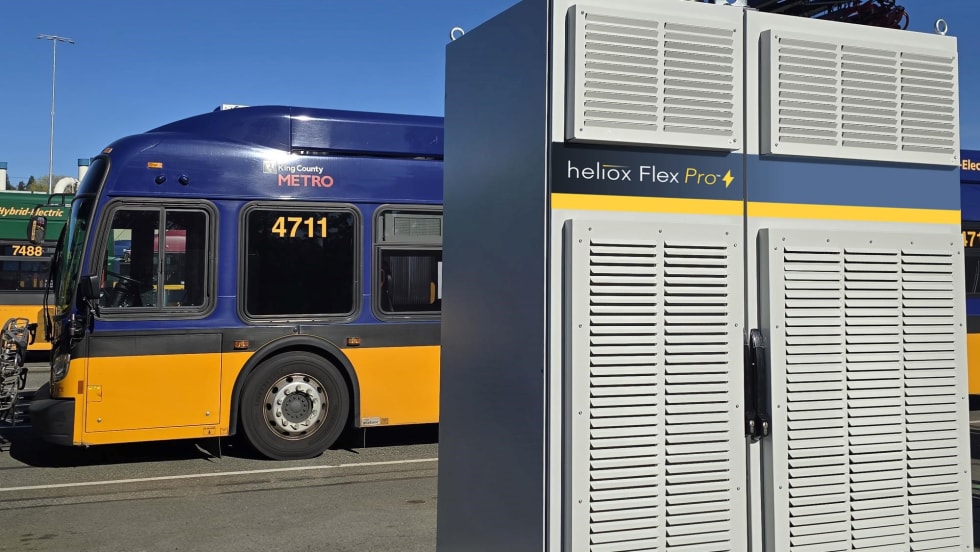
Heliox Pilots 480-kW Bus Charger with King County Metro
King County Metro is piloting Heliox’s new 480-kW Flex Pro charger to support expansion of its battery-electric bus fleet and depot charging infrastructure. The compact charging system supports pantograph and plug-in charging configurations for high-density transit operations.
Read More →