





Similar Content: Okla. Governor Tackles Underutilization with Exec. Order
GSA’s DC-Based Vehicles Are Underutilized
The General Services Administration vehicles in the national capital region were underutilized and did not meet minimum federal or internal mileage guidelines, according to the Inspector General.
March 9, 2021
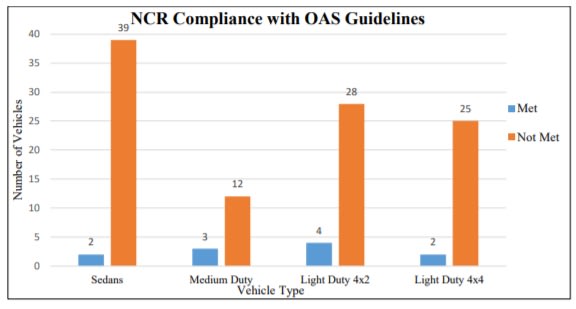
This graph shows usage compliance with internal (OAS) guidelines, which range from 2,500 to 6,500 miles annually.
Image: GSA OIG
2 min to read
The General Services Administration (GSA), which oversees the federal fleet, was found to have underutilized vehicles in its own internal fleet located at the agency’s headquarters and national capital region (NCR). The report was conducted by the U.S. General Services Administration’s Office of Inspector General using data from FY-2019 and published on Feb. 25.
A 2016 review found the GSA’s ideal fleet size should be 936 vehicles, with 250 in the NCR. In FY-2019, NCR had 148 vehicles, far lower than the recommended number. However, despite the reductions, NCR internal fleet vehicles were underutilized and did not meet minimum federal or internal mileage guidelines. Mileage guidelines range from 2,500 to 6,500 miles annually using internal numbers and 7,500 to 12,000 miles annually using federal numbers — the range covers passenger vehicles to heavy trucks. The report stated the NCR could save up to $1.2 million by reducing its fleet of underutilized vehicles.
The report also found its Executive Driver Program, for exclusive use of senior executives for round-trip travel in the D.C. area, is both underutilized and operating at higher costs than alternative transportation methods. It employs two drivers and has four vehicles; vehicles were driven between 825 and 2,313 miles annually in FY-2019, and the program cost about $83,000. In comparison, Uber or Lyft would have cost up to $30,000.
The report recommended the GSA remove underutilized vehicles from the NCR inventory and evaluate whether commercial transportation options would be more cost-effective than the Executive Driver Program.
GSA’s chief administrative services officer agreed with the findings and recommendations and noted that since 2010, GSA has reduced its fleet size by 32% and costs by $1.6 million.
More Operations

How St. Johns County Turned Fleet Data Into Better Replacement Decisions
St. Johns County, Florida, had fleet data, but turning it into reliable decision guidance was another matter. Instead of starting over with a new fleet management system, the county connected existing tools and built a scoring system that gives managers an objective look at fleet health.
Read More →
Fleet Forward Conference Introduces One-Day Passes for 2026
New one-day registration lets fleet professionals attend Tuesday, Wednesday, or Thursday, with passes available for $249.
Read More →
ENC Unveils its ZAVIR Medium-Duty Shuttle
Two variants of the concept shuttles were revealed: a low-floor configuration and a high-floor configuration.
Read More →
Could Your Next Fleet Technician Start as an Intern?
What if your next technician hasn’t worked in a fleet shop yet? What fleets are doing to free up time.
Read More →
How Phoenix Is Building Its Next Generation of Fleet Technicians
With more than 8,000 vehicles and pieces of equipment to maintain, the City of Phoenix could not afford to wait for fully trained technicians to walk through the door. Instead, they revamped their entire workforce strategy and showed how public fleets can create their own talent pipeline while preparing existing employees for increasingly complex vehicles.
Read More →
What’s Slowing Your Fleet Down?
Could a change in how work gets done help your fleet return vehicles to service sooner?
Read More →
Can Public Fleets Trust the Data Driving Their Decisions?
Public fleets have more data than ever, but inconsistent records and missing information can still undermine maintenance, replacement, and cost decisions.
Read More →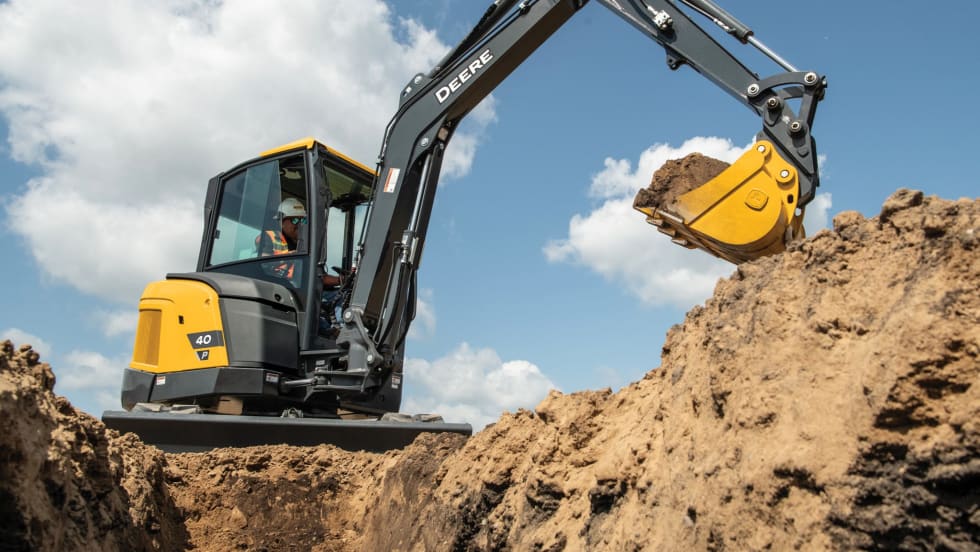
John Deere Introduces 40 P-Tier Compact Excavator
John Deere is adding a compact excavator designed for crews that need to move equipment between jobsites and handle multiple types of work with one machine. The 40 P-Tier weighs less than 10,000 pounds and offers configurable hydraulics, attachment options, and connected fleet-management capabilities.
Read More →
How Leading Fleets Improve and Why Business Plans Matter
This week, we look at what past Leading Fleet winners can teach us about making progress, plus how to build a business plan your fleet will actually use.
Read More →
Nominate a Fleet Leader for the 2027 Public Fleet Hall of Fame
Do you know a fleet leader who has made a lasting impact on the industry? Nominate this fleet professional for the 2027 Public Fleet Hall of Fame.
Read More →