




GM to Produce Bi-Fuel CNG Impala
General Motors will build a Chevrolet Impala sedan that operates on either gasoline or compressed natural gas (CNG). The bi-fuel sedan is expected to go on sale next summer as a 2015 model.
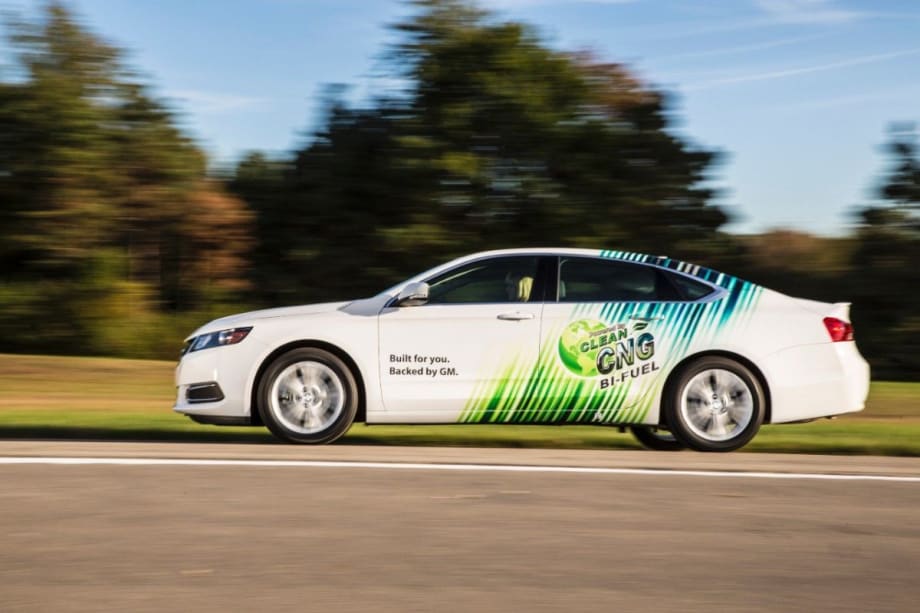
The 2015 bi-fuel CNG Chevrolet Impala is expected to go on sale next summer. Click on the photo to vew interior and trunk photos. Copyright General Motors.
The 2015 bi-fuel CNG Chevrolet Impala is expected to go on sale next summer. Click on the photo to vew interior and trunk photos. Copyright General Motors.
General Motors will build a Chevrolet Impala sedan that operates on either gasoline or compressed natural gas (CNG), GM Chairman and CEO Dan Akerson announced at an energy summit. It is the only manufacturer-produced full-size bi-fuel sedan and is expected to go on sale next summer as a 2015 model.
The Chevrolet Impala bi-fuel sedan addresses the range anxiety issue associated with vehicles that run only on natural gas, Akerson said. It features a factory-engineered and fully warranted powertrain that switches from CNG to gasoline. Total range is expected to be up to 500 miles — 150 miles using CNG and 350 miles using gasoline.
Akerson said sales volume is expected to be small, at least initially.
“Most of our customers are going to be commercial and government fleets, and selling 750 to 1,000 units in the first model year will be a home run,” he said.
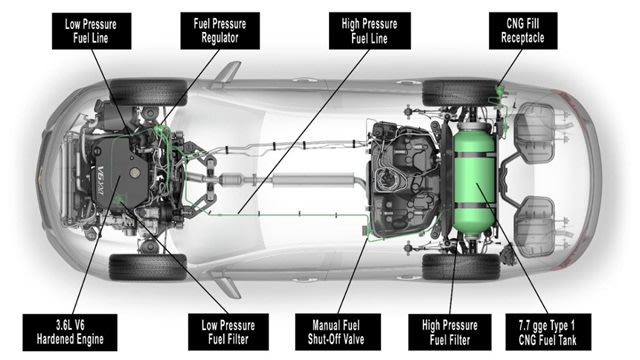
An overlay of the CNG system shows key components including the engine and gaseous fuel storage fuel storage and delivery system. Click on the photo to vew interior and trunk photos. Copyright General Motors.
This is because the infrastructure for CNG fueling stations is not yet fully developed, with only 1,200 publicly available CNG stations nationwide. The bi-fuel option will appeal to those traveling out of the range of a CNG fueling station and will allay range anxiety.
Natural gas is a cleaner-burning transportation fuel compared to petroleum products and costs significantly less than gasoline at current prices. CNG vehicles typically have 20% fewer greenhouse gas emissions than gasoline-powered cars, according to the California Air Resources Board.
More Green Fleet
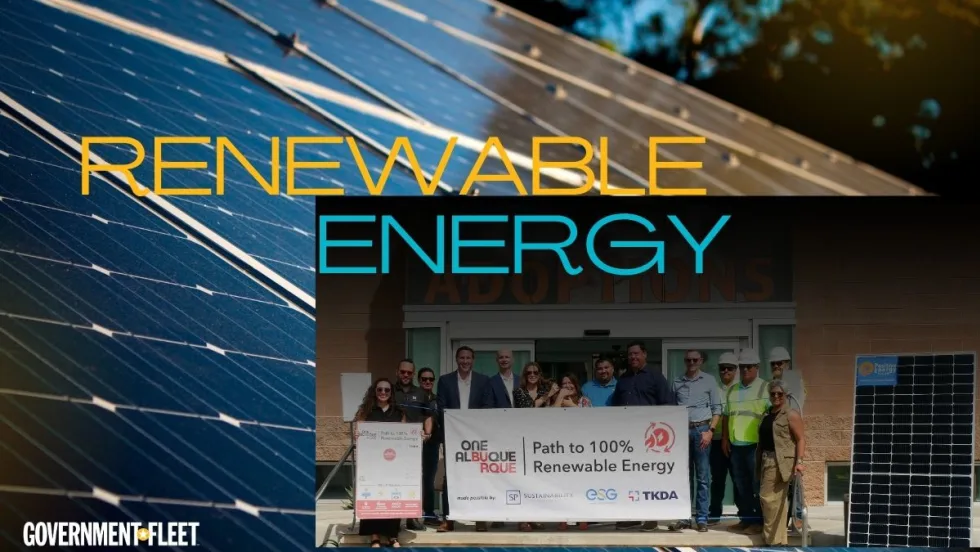
Sustainability Partners, Energy Systems Group Help Albuquerque Close the Gap on its 100% Renewable Energy Goal
The eight-site, 6 MW solar project has advanced the city toward 100% renewable energy for municipal operations.
Read More →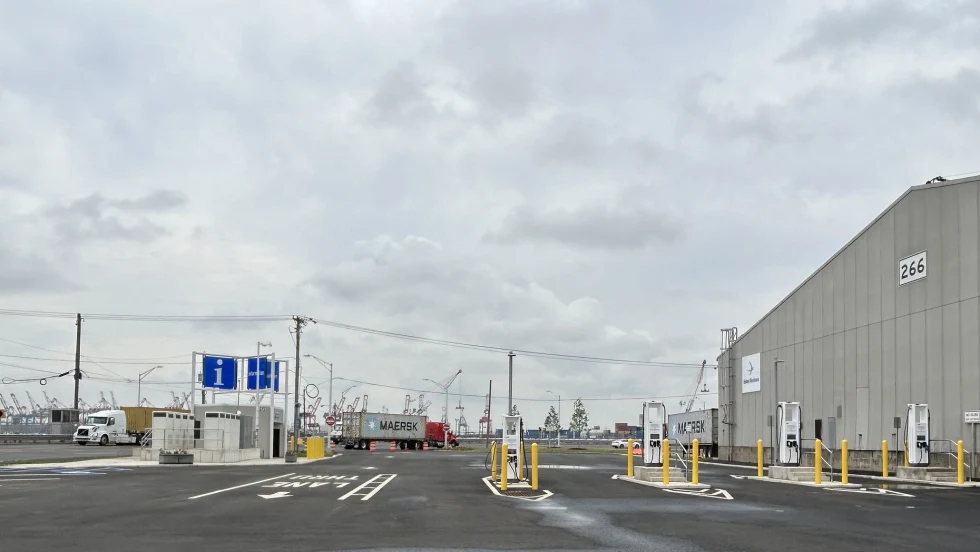
Port Authority and CALSTART Launch $45 Million Electric Truck and Charging Programs
The programs aim to boost sustainable operations across the East Coast's busiest seaport.
Read More →
Moving Government Fleets Beyond the Vehicle Purchase: EV as a Service
A discussion on how EVaaS is moving beyond pilot programs and what fleets should consider before beginning a larger deployment.
Read More →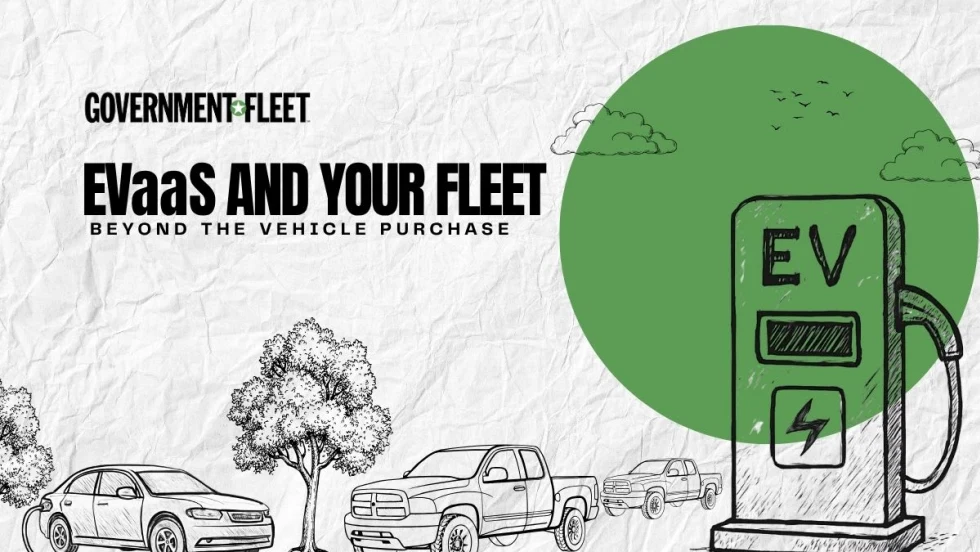
Moving Government Fleets Beyond the Vehicle Purchase: EV as a Service
As fleets move beyond small EV pilots, Sustainability Partners CEO Adam Cain explains how EVaaS can address the infrastructure and long-term planning required for larger deployments.
Read More →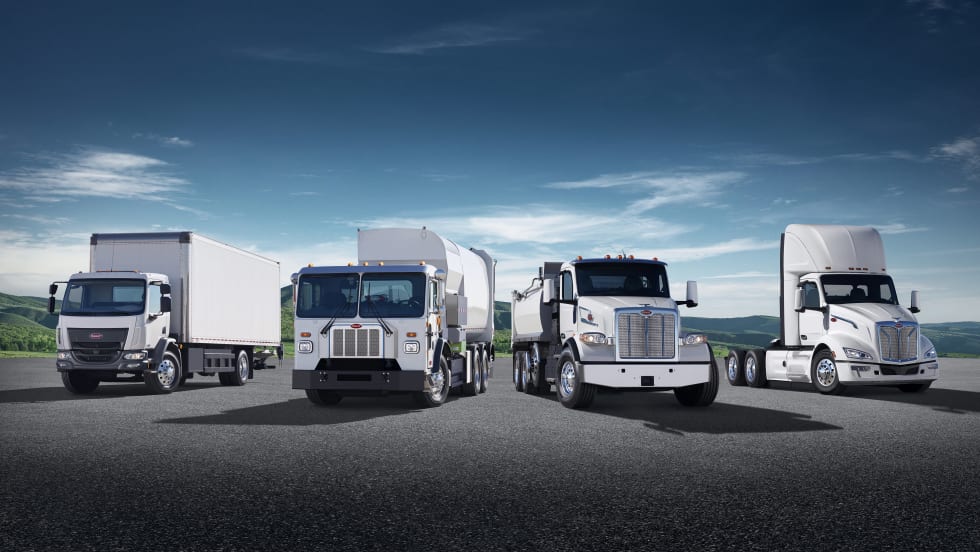
Peterbilt Expands Sourcewell Partnership with Electric Vehicle Lineup
The agreement aims to provide streamlined procurement of Peterbilt trucks for government, education, nonprofit and tribal organizations across the United States and Canada.
Read More →
EV Adoption & Charging Challenges
Where is your fleet in the journey of vehicle electrification? If you're still looking for answers to fleet electrification you've come to the right place.
Read More →
Hawaii Passes Clean Fuel Policy
Hawaii lawmakers passed clean fuel legislation that could support renewable natural gas production, biogas-powered transportation, and lower-carbon fueling options for public and commercial fleets.
Read More →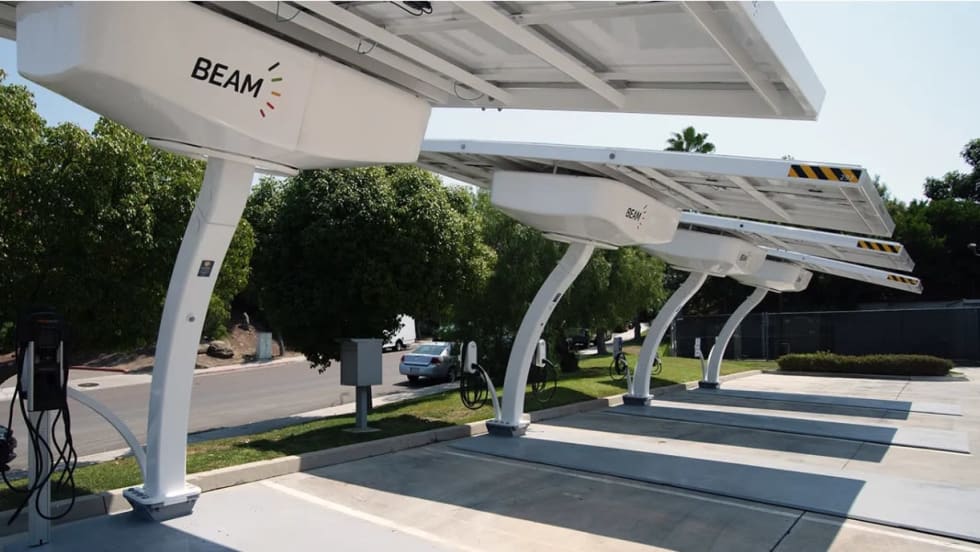
Stanislaus County Deploys Ten Beam Global EV ARC Systems to Support County Fleet Electrification
Stanislaus County deployed 10 off-grid solar-powered EV charging systems and a mobile charging trailer from Beam Global to support its electric fleet operations and emergency response flexibility.
Read More →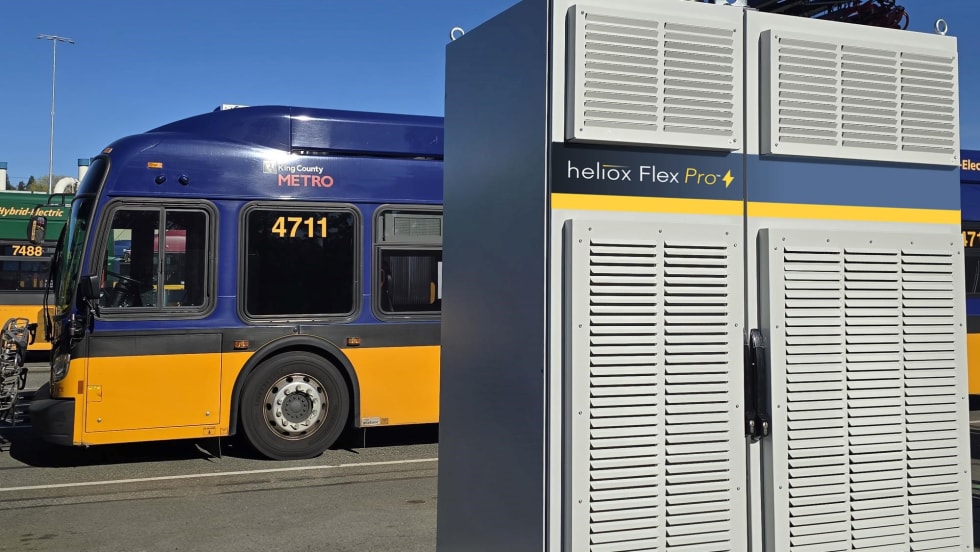
Heliox Pilots 480-kW Bus Charger with King County Metro
King County Metro is piloting Heliox’s new 480-kW Flex Pro charger to support expansion of its battery-electric bus fleet and depot charging infrastructure. The compact charging system supports pantograph and plug-in charging configurations for high-density transit operations.
Read More →