




Similar Content: Why Attend GFX?
GFX Sessions: Focus on Alternative Fuels
At the annual Government Fleet Expo & Conference (GFX), four educational sessions address alternative fuels, with fleet professionals sharing their experiences and successes.
by Staff
March 30, 2022
The Government Fleet Expo & Conference has four sessions specifically discussing alternative fuels, including electrification.
2 min to read
Fleet managers continue to make advancements in their emissions reduction efforts by going all-electric and with other alternative fuels. At the annual Government Fleet Expo & Conference (GFX), four educational sessions address these issues, as fleet professionals share their experiences and successes with clean fleets.
Electrification is a hot topic for government agencies, and an often confusing one. These sessions address fleet manager concerns directly:
Electrifying Medium- and Heavy-Duty Vehicles: Real World Insights, presented by two leading California fleet managers, will include specifics on how to overcome challenges in installing sufficient charging capability.
Preparing for Electric Vehicle Service will delve into how to prepare technicians to maintain and repair the EVs that will inevitably join their fleets.
In Michigan State Police: Vehicle Testing & EVs in Police Fleets, the MSP will talk about its famous pursuit vehicle testing program, as well as testing an electric patrol vehicle, including performance, range, and charging.
Fleet managers also continue to reduce emissions with other fuels, including compressed natural gas, biodiesel, and propane autogas.
In Today’s Clean Fuels & Technologies: Not Just Electric, fleet managers talk about how they’re using these alternative fuels to reduce emissions and reliance on oil.
GFX takes place May 23-26 in Detroit. It features more than 20 valuable educational sessions, an exciting expo floor with new vehicles and technology, an interactive ride-and-drive, a festive Honors Celebration for awards winners, an optional tour of the Ford Rouge Factory, and more. Register by April 21 for $100 off!
More Operations
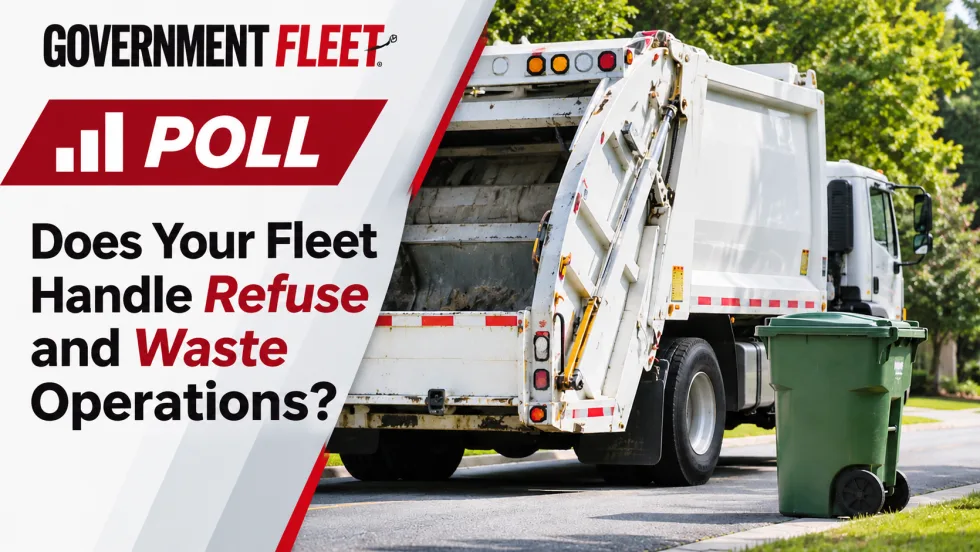
Does Your Government Fleet Handle Refuse and Waste Operations? Take Our Poll
Government Fleet wants to hear from public-sector fleet professionals about their responsibilities for refuse collection and waste management equipment.
Read More →
Fleet Replacement Decisions, Waste Fleet Technology and the GFX Deadline
Is your next vehicle the right fit, can your records settle a missed pickup dispute, and what could your fleet teach others at GFX 2027?
Read More →
Is Delaying Fleet Replacement Really Saving Money?
Could delaying replacement cost your fleet more than it saves? This week’s recap takes a closer look, plus an update on GFX 2027.
Read More →
What Government Fleets Are Missing About Their True Costs
What are fleet budgets missing, and how can agencies use the data they already collect to make a stronger case for change?
Read More →
Rethinking Fleet Decisions From the Budget Office to the Shop
This October we looked back at how public fleets are reconsidering familiar processes and using what they learn to make better decisions.
Read More →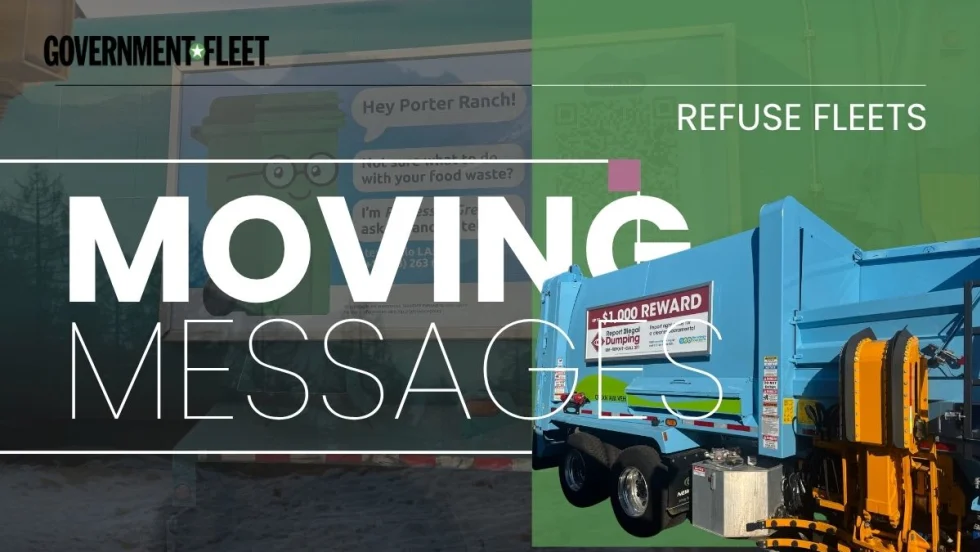
Who Owns the Message on a Refuse Truck?
Refuse trucks can carry public messages into neighborhoods, but keeping those messages current takes planning and clear responsibility.
Read More →
Who Deserves Fleet Recognition and What Could You Teach at GFX?
Who helped shape your fleet career, and what have you learned that could help someone else?
Read More →
What’s Haunting Public Sector Fleets?
Public sector fleet challenges rarely happen in isolation, and addressing one often means understanding how it connects to another.
Read More →
Is Keeping Older Fleet Vehicles Really Saving Money?
Is keeping vehicles longer saving money, and what happens when a diagnostic test points to the wrong fix?
Read More →
How Smart Fleet Strategy Can Help Local Government Agencies Do More with Less
Keeping a vehicle longer may ease this year’s budget, but what does it cost the next one? A closer look at fleet decisions can reveal opportunities to reduce spending while protecting essential services.
Read More →