





Learn More: Making The Switch To Electric Vehicles
Geotab Hits the '100' Mark in Support of EV Makes & Models
The milestone underscores the company’s commitment to readying fleets for electrification.
October 23, 2020
2 min to read
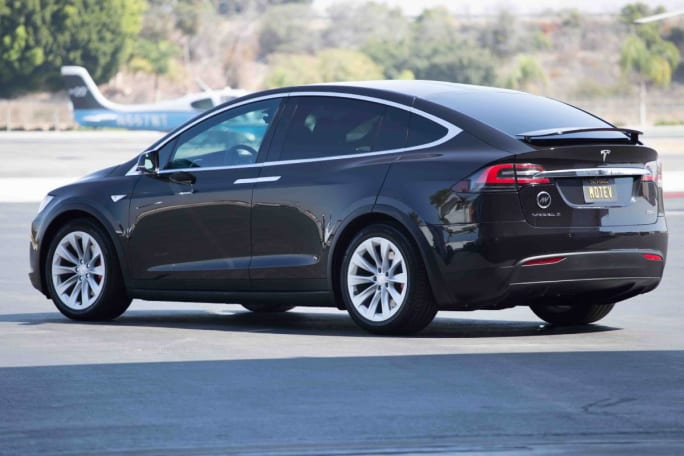
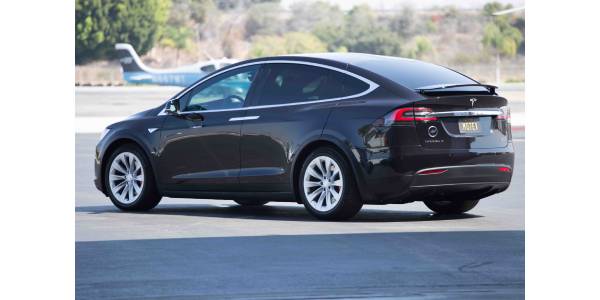
A Tesla Model X electric vehicle used by MOTEV luxury transportation service in Los Angeles.
Photo: MOTEV of Los Angeles
Geotab announced Oct. 22 it now supports 100 electrical vehicle (EV) makes and models and counting.
This achievement helps solve one of the main obstacles fleets face in the moving to EV. Because EV manufacturers don’t have to follow consistent standards when providing access to vehicle-side data, each new make and model of EV could potentially require a new approach for accessing the data required to provide customers with the insights they rely on telematics providers to produce. That makes it challenging to support the growing number of EVs on the market.
Solution Tools
To help solve this issue, Geotab has built its systems and specialized tooling to make it faster and easier to decode various EV makes and models to ensure the company can grow its list of supported EVs.
“Reaching the 100-vehicle milestone for EV make and model support is a great opportunity for us to reflect on how far we’ve come while putting the right pieces in place to keep the momentum going,” said Matt Stevens, vice president of electric vehicles at Geotab. “This achievement is not only a sign of our commitment to fleet managers to support all the EVs in their fleet, but the confidence to know that as new models are released, Geotab will integrate and support those models quickly.”
Big Dynamics
Colin Sutherland, executive vice president of sales and marketing at Geotab, said, “When it comes to EV, there are big market dynamics at play. For starters, public policy centered on fostering a carbon-neutral footprint is driving some EV adoption. In addition, there is a growing movement toward environmental, social, and corporate governance (ESG), whereby businesses are going to be measured in the long-term based on what they are doing now in terms of sustainability and societal impact.
“Combining these factors are making organizations take a long, hard look at how to ready their fleets for this inevitable transformation. Simply put, fleets need to have an EV strategy now. And they need to be able to move forward with the confidence that purchasing EVs is ultimately in the best interest of their business, which means being able to effectively measure the operational and financial impacts on cost of ownership.”
Geotab is well positioned to help them given its foresight and investment in the infrastructure to add EV support at 10 times the rate of others, and the ability to scale this up as the EV market expands, Sutherland said. “Not only does Geotab cover the largest number of EV models worldwide, the depth of the data that we process helps build the necessary confidence in organizations’ EV ownership decisions.
More Green Fleet
Sustainability Partners, Energy Systems Group Help Albuquerque Close the Gap on its 100% Renewable Energy Goal
The eight-site, 6 MW solar project has advanced the city toward 100% renewable energy for municipal operations.
Read More →
Port Authority and CALSTART Launch $45 Million Electric Truck and Charging Programs
The programs aim to boost sustainable operations across the East Coast's busiest seaport.
Read More →
Moving Government Fleets Beyond the Vehicle Purchase: EV as a Service
A discussion on how EVaaS is moving beyond pilot programs and what fleets should consider before beginning a larger deployment.
Read More →
Moving Government Fleets Beyond the Vehicle Purchase: EV as a Service
As fleets move beyond small EV pilots, Sustainability Partners CEO Adam Cain explains how EVaaS can address the infrastructure and long-term planning required for larger deployments.
Read More →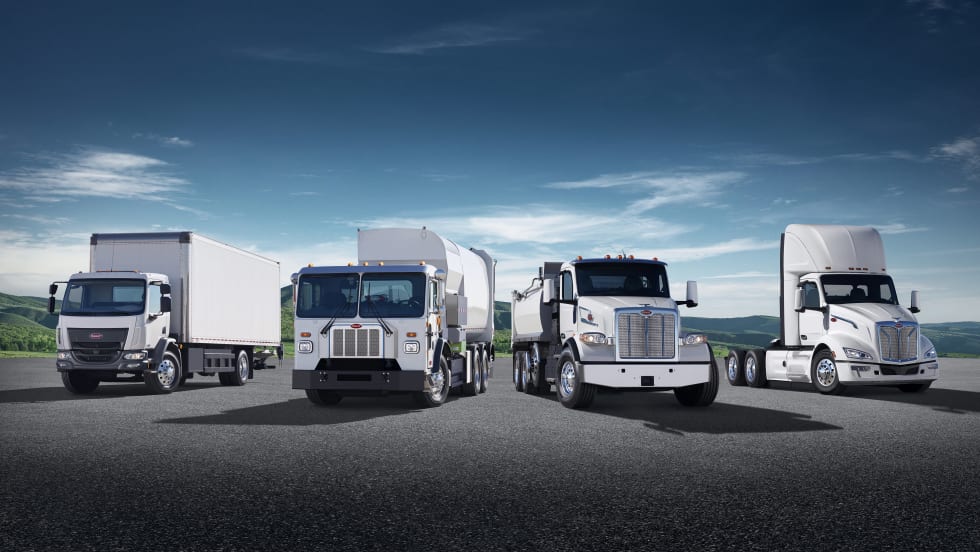
Peterbilt Expands Sourcewell Partnership with Electric Vehicle Lineup
The agreement aims to provide streamlined procurement of Peterbilt trucks for government, education, nonprofit and tribal organizations across the United States and Canada.
Read More →
EV Adoption & Charging Challenges
Where is your fleet in the journey of vehicle electrification? If you're still looking for answers to fleet electrification you've come to the right place.
Read More →
Hawaii Passes Clean Fuel Policy
Hawaii lawmakers passed clean fuel legislation that could support renewable natural gas production, biogas-powered transportation, and lower-carbon fueling options for public and commercial fleets.
Read More →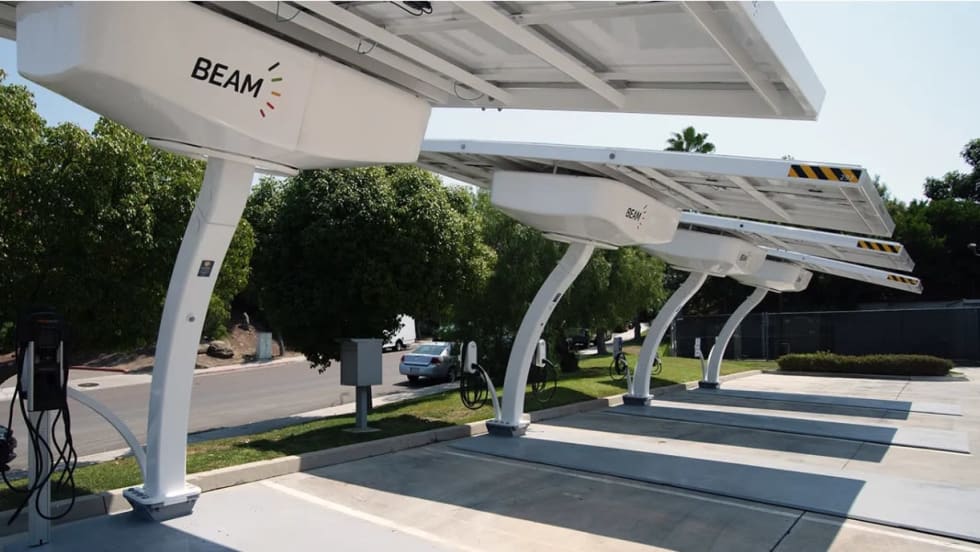
Stanislaus County Deploys Ten Beam Global EV ARC Systems to Support County Fleet Electrification
Stanislaus County deployed 10 off-grid solar-powered EV charging systems and a mobile charging trailer from Beam Global to support its electric fleet operations and emergency response flexibility.
Read More →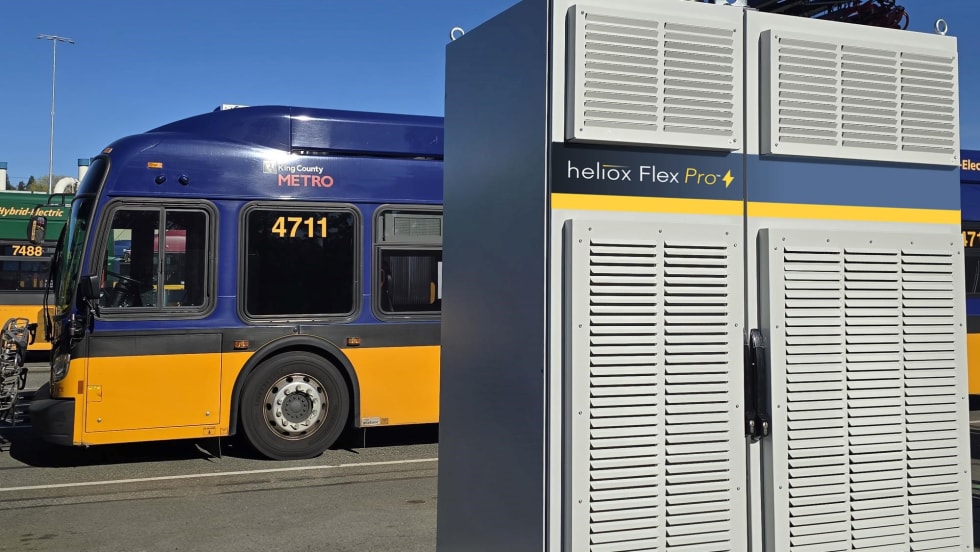
Heliox Pilots 480-kW Bus Charger with King County Metro
King County Metro is piloting Heliox’s new 480-kW Flex Pro charger to support expansion of its battery-electric bus fleet and depot charging infrastructure. The compact charging system supports pantograph and plug-in charging configurations for high-density transit operations.
Read More →