




GAO Report Finds Federal Fleet Procurement Rules Conflict
WASHINGTON - A GAO report found conflicting goals and guidelines for energy efficiency and alternative-fuel usage in the federal civilian and non-tactical military vehicle fleet.
WASHINGTON – A report issued by the U.S. Governmental Accountability Office (GAO), which focused on cutting costs and reducing government redundancy, highlighted conflicting goals and guidelines for energy efficiency and alternative-fuel usage in the federal civilian and non-tactical military vehicle fleet.
The GAO said that the federal government’s goal to reduce reliance on petroleum-based fuels as well as greenhouse gas emissions have led to policies that direct federal agencies to purchase alternative-fuel vehicles (AFVs) but that these rules haven’t led to a reduction in petroleum usage and in emissions due to a lack of available fuel types and infrastructure.
The four primary areas of conflict cited in the GAO report include the following:
Increase the use of alternative fuels vs. the unavailability of alternative fuels. Agencies are required to increase alternative fuel use, although most alternative fuels are not yet widely available. Thus, agencies have been purchasing primarily flex-fueled AFVs, those that can operate on E85—a blend of up to 85 percent ethanol and petroleum—or petroleum. However, since E85 was only available at 1 percent of U.S. fueling stations in 2009, agencies are requesting waivers from the requirement to use alternative fuels. According to DOE, in 2010, approximately 55 percent of flex-fueled AFVs received a waiver. Further, some fleet operators indicated they use petroleum without a waiver when alternative fuels are available because it is either more convenient, less expensive, or both.
Acquire AFVs vs. reduce petroleum consumption. Agencies are required to purchase AFVs, but this requirement may, in some cases, undermine the requirement to reduce petroleum consumption. Virtually every agency has succeeded in acquiring more AFVs, but there have been only modest reductions in petroleum use and modest increases in alternative fuel use, due to the lack of available alternative fuels. As previously stated, the lack of available alternative fuels results in agencies using petroleum to fuel AFVs. In areas where alternative fuels are not available, purchasing more fuel efficient non-AFVs could reduce petroleum consumption more than purchasing AFVs.1
Reduce GHG emissions vs. acquire AFVs. Under existing law, according to DOE, some vehicles with the lowest GHG emissions do not qualify as AFVs; and according to GSA, some AFVs emit more GHG emissions than some petroleum-fueled vehicles. Thus, by procuring a new vehicle with low GHG emissions the agency may meet the requirement to reduce GHG emissions, but not the requirement to purchase AFVs for its fleet.
Use plug-in hybrid vehicles vs. reduce electricity consumption in federal facilities. Other conflicts exist between fleet energy goals and the federal government energy goals. Agencies are encouraged to acquire plug-in hybrids for their fleets when they become publicly available; however, this could conflict with other requirements that encourage agencies to reduce electricity consumption in federal facilities. Thus, if an agency acquires plug-in vehicles they may meet the requirement, but this may lead to increased electricity consumption.2
The report found that due to these conflicting goals, federal fleet managers do not have the necessary flexibility to make procurement decisions that would reduce petroleum usage and GHG emissions.
The GAO report recommended that new legislation focus on allowing fleet managers greater purchasing flexibility, for example via a mandate to simply reduce petroleum usage and emissions. Beyond that, the GAO advocated the use of broad, performance-based metrics rather than narrow goals so fleet managers can meet requirements via a variety of options.
According to General Services Administration (GSA) officials, the government-wide fleet supports a range of missions and consists of approximately 60 percent trucks, buses, and ambulances; fewer than 40 percent are passenger vehicles including passenger vans and sport utility vehicles.
In addition, the GAO said the federal government’s fleet consists of more than 600,000 civilian and non-tactical military vehicles and uses 963,000 gallons of petroleum-based fuel each day. In 2009, the government spent more than $1.9 billion on vehicle procurement.
1-According to DOE, agencies may acquire low-GHG-emitting vehicles and consider them AFVs when alternative fuels are not available. However, agencies have found very few low-GHG options exist that meet mission requirements.
2-DOE has identified a reporting approach that would allow fleet electricity use to be subtracted from facility electricity use.
More Green Fleet
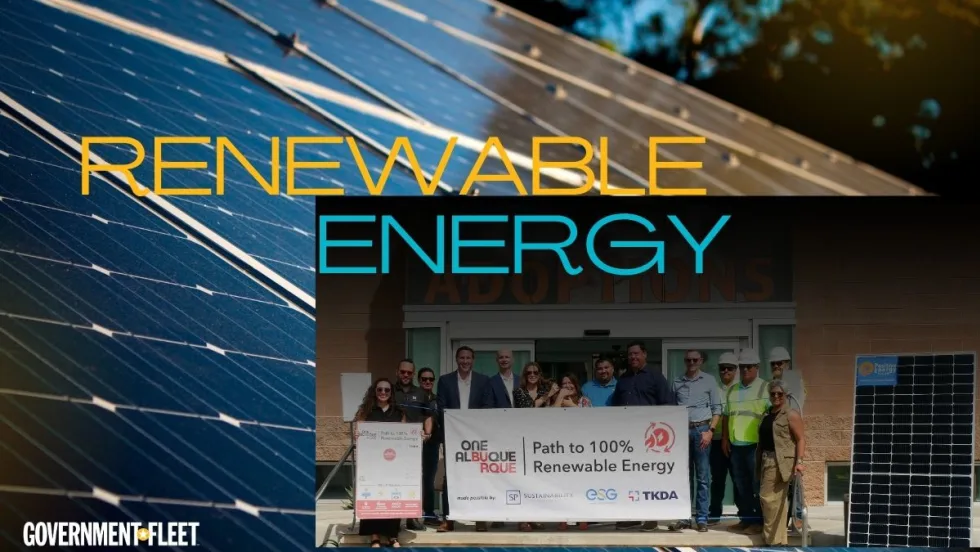
Sustainability Partners, Energy Systems Group Help Albuquerque Close the Gap on its 100% Renewable Energy Goal
The eight-site, 6 MW solar project has advanced the city toward 100% renewable energy for municipal operations.
Read More →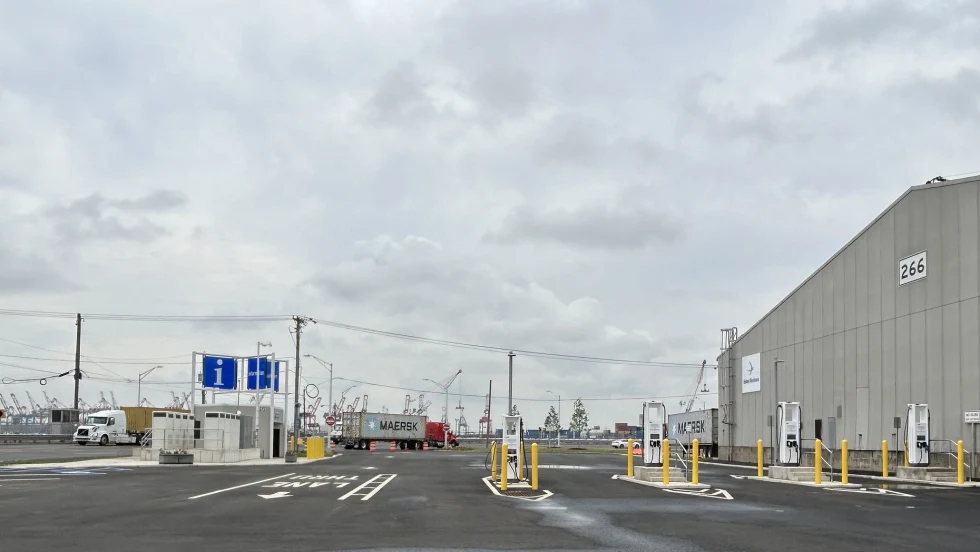
Port Authority and CALSTART Launch $45 Million Electric Truck and Charging Programs
The programs aim to boost sustainable operations across the East Coast's busiest seaport.
Read More →
Moving Government Fleets Beyond the Vehicle Purchase: EV as a Service
A discussion on how EVaaS is moving beyond pilot programs and what fleets should consider before beginning a larger deployment.
Read More →
Moving Government Fleets Beyond the Vehicle Purchase: EV as a Service
As fleets move beyond small EV pilots, Sustainability Partners CEO Adam Cain explains how EVaaS can address the infrastructure and long-term planning required for larger deployments.
Read More →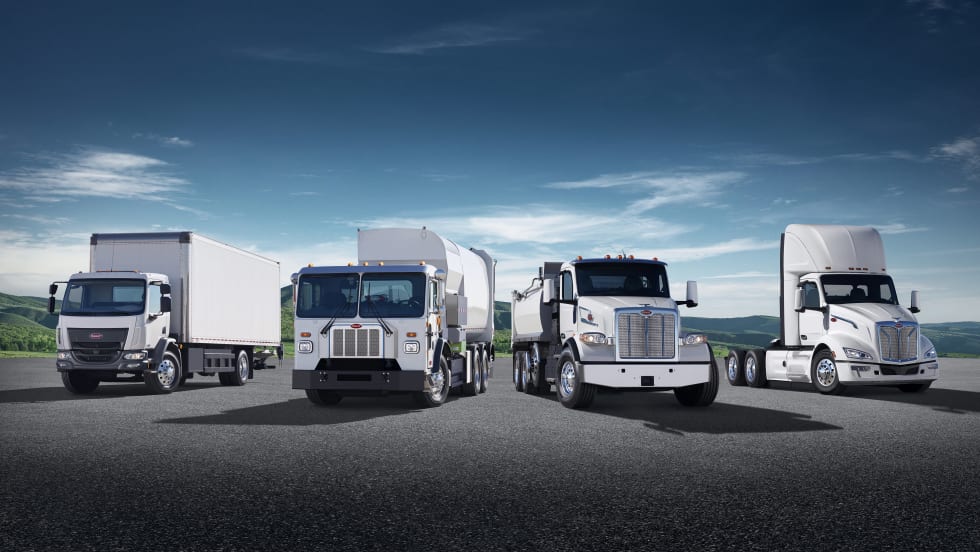
Peterbilt Expands Sourcewell Partnership with Electric Vehicle Lineup
The agreement aims to provide streamlined procurement of Peterbilt trucks for government, education, nonprofit and tribal organizations across the United States and Canada.
Read More →
EV Adoption & Charging Challenges
Where is your fleet in the journey of vehicle electrification? If you're still looking for answers to fleet electrification you've come to the right place.
Read More →
Hawaii Passes Clean Fuel Policy
Hawaii lawmakers passed clean fuel legislation that could support renewable natural gas production, biogas-powered transportation, and lower-carbon fueling options for public and commercial fleets.
Read More →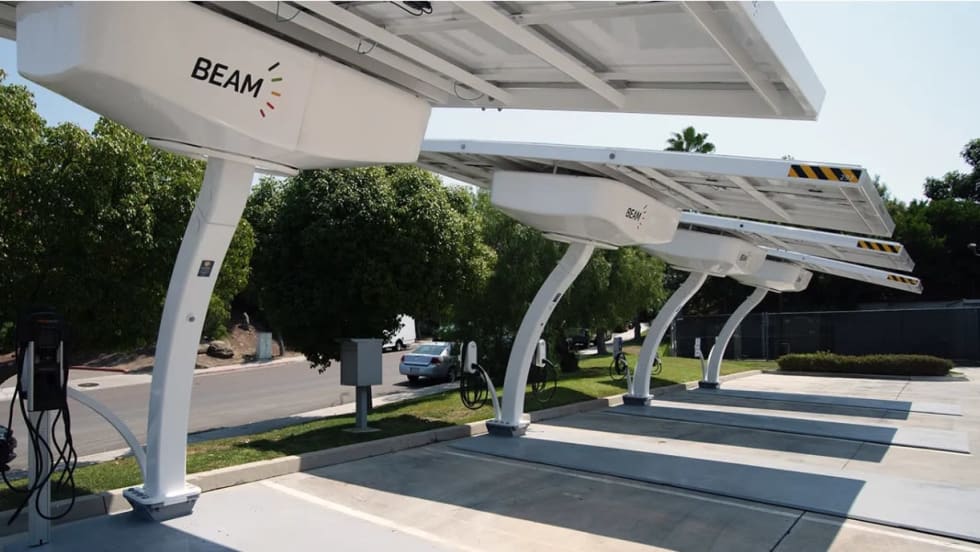
Stanislaus County Deploys Ten Beam Global EV ARC Systems to Support County Fleet Electrification
Stanislaus County deployed 10 off-grid solar-powered EV charging systems and a mobile charging trailer from Beam Global to support its electric fleet operations and emergency response flexibility.
Read More →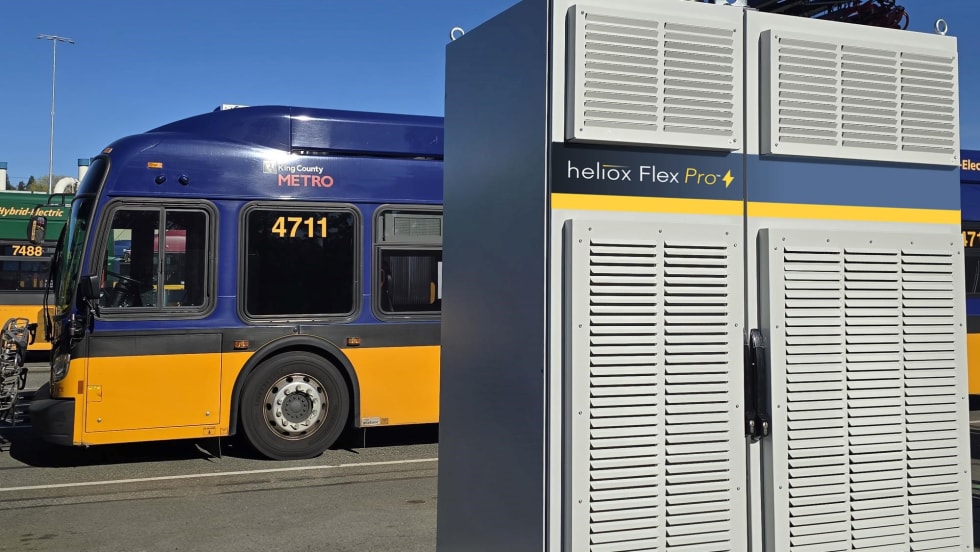
Heliox Pilots 480-kW Bus Charger with King County Metro
King County Metro is piloting Heliox’s new 480-kW Flex Pro charger to support expansion of its battery-electric bus fleet and depot charging infrastructure. The compact charging system supports pantograph and plug-in charging configurations for high-density transit operations.
Read More →