





LEARN MORE: Ford Hybrids Offer Maryland County Sheriff's Office Power, Savings
Va. City PD Partners with Virginia Clean Cities on Alt-Fuel Vehicles
The move comes in response to the city council's efforts to make Fredericksburg a clean and green city under its adopted 100% Renewable Energy Resolution.
November 11, 2020
2 min to read
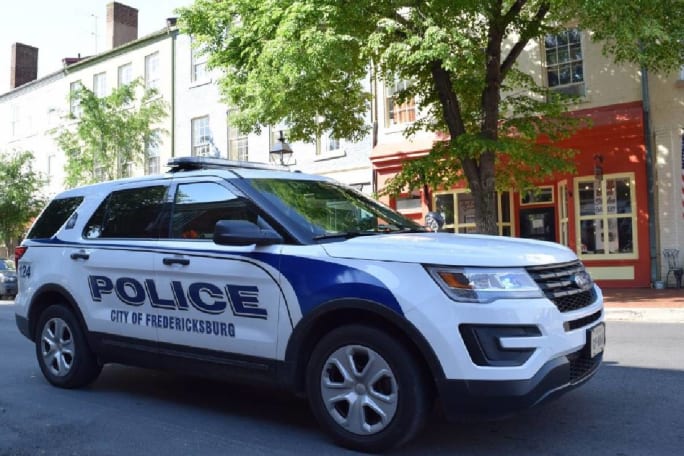
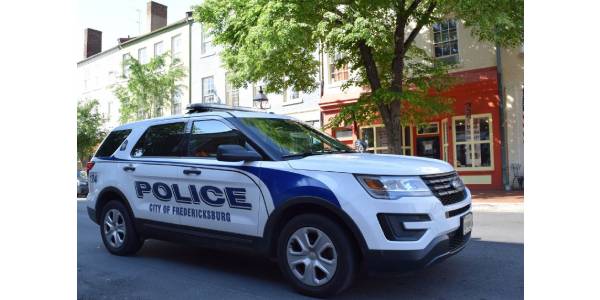
The Fredericksburg (Va.) Poice Department has 39 patrol vehicles and 22 administrative vehicles.
Photo: Fredericksburg (Va.) Police Department
The Fredericksburg, Va., Police Department (FPD) has partnered with Virginia Clean Cities (VCC) for guidance on alternative fuel vehicles.
The intent is that this effort, as a pilot project on a part of the city’s fleet, will be a model for the remainder of the city’s fleet over time. The FPD consists of 39 patrol vehicles and 22 administrative vehicles.
Working with VCC places the FPD on a path toward converting their fleet to cleaner vehicles. The goal is to reduce petroleum consumption and emissions, advance air quality, and reduce expenditures for petroleum fuel, all while promoting a cleaner environment for Fredericksburg’s residents and visitors.
Electrify Virginia is a Virginia Clean Cities project launched in 2019 that provides direct no-cost help to municipalities for planning and is supported by a grant to help plan for electric vehicles in Virginia in the heavy duty sector. VCC also provides planning assistance for all fuels through other programs.
This new partnership is a big first step for bringing the city’s police fleet of vehicles into this important green planning for Fredericksburg. The city council adopted the 100% Renewable Energy Resolution in December 2019 and committed to the goal of powering municipal operations with 100% renewable energy by 2035 or earlier.
Additional conversations are being held with Fredericksburg City Schools on the potential for a joint pursuit of solar energy for public buildings. The city and community of Fredericksburg have already demonstrated leadership on environmental and climate issues through the activities and programs of the Clean and Green Commission; adopting a C-PACE ordinance to help local businesses finance energy efficiency; participating in the George Washington Planning Region’s Climate, Environment and Readiness (CLEAR) Plan; partnering with Tree Fredericksburg to enhance and manage the city’s urban forest, which include a unique zero waste tree program; increasing attention and implementation to storm water issues and mitigations through planning and development reviews, field surveys and general education; engaging in instituting energy efficiency measures and conducting additional assessments for over a decade in city structures; developing additional markets for true reuse of recyclables, such as glass and construction debris; and by protecting important riparian buffer zones along the Rappahannock River.
More Police
Ford Pro Introduces Full-Size 2028 Expedition Police Responder
Ford Pro gave law enforcement customers a first look at the pursuit-rated utility during Police Fleet Expo.
Read More →
Paterson Police Expand Drone Fleet, Launch Real-Time Operations Center
The Paterson Police Department has expanded its drone program and opened a new Real-Time Operations Center designed to support emergency response and incident management. The initiative integrates multiple technologies to provide officers with real-time information during investigations and public safety operations.
Read More →
Why Public Fleet Success Depends on More Than the Vehicles
Tim Coxwell of the Leon County Sheriff’s Office discusses the projects shaping his fleet operation, including long-term work around vehicle selection, greenhouse gas emissions, and cost per mile.
Read More →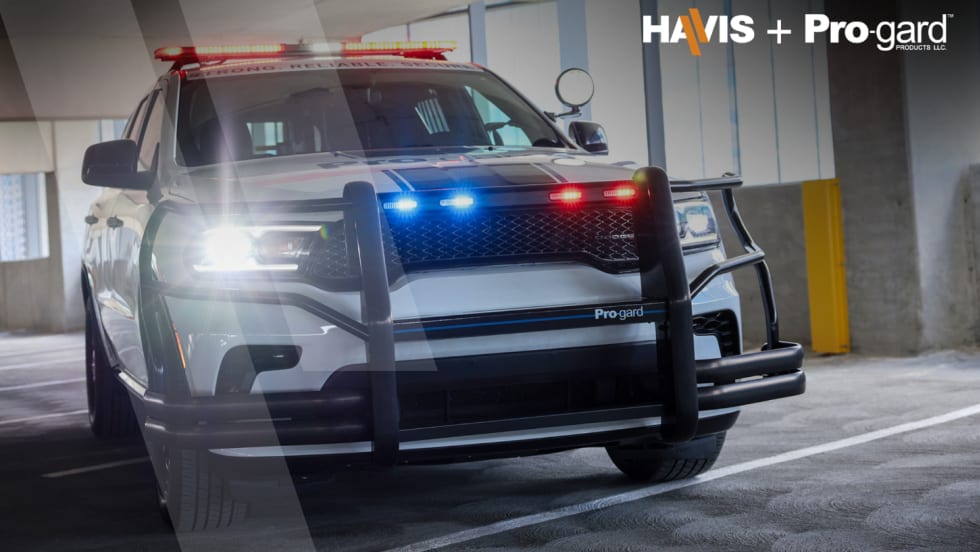
Havis Acquires Pro-gard Products
The acquisition brings together two manufacturers of public safety vehicle equipment under one company. Havis says the move expands its portfolio of products for outfitting law enforcement vehicles and other public safety fleets.
Read More →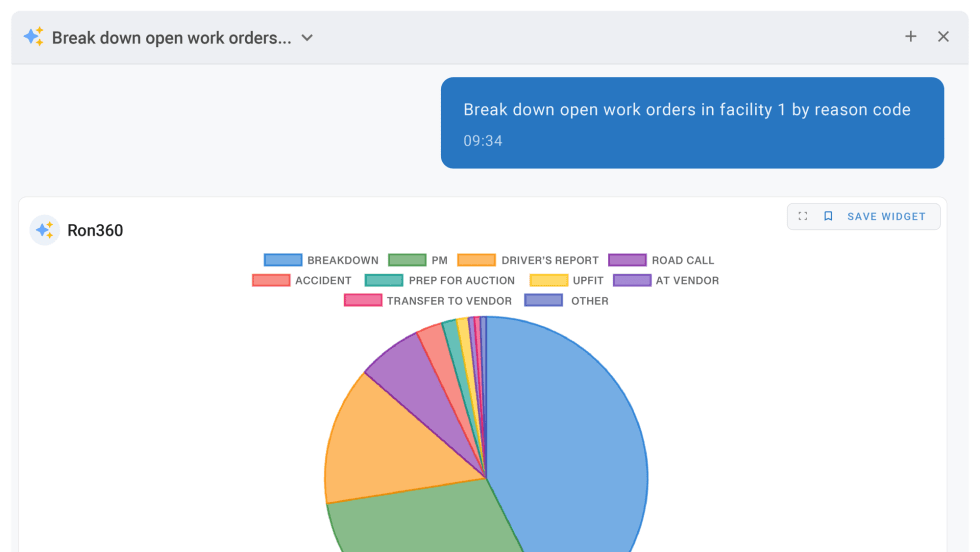
RTA Fleet Introduces AI Assistant for Fleet360 Platform
As artificial intelligence continues to gain traction across public-sector operations, fleet software providers are finding new ways to incorporate the technology into everyday workflows. RTA's latest addition aims to simplify how users interact with fleet data.
Read More →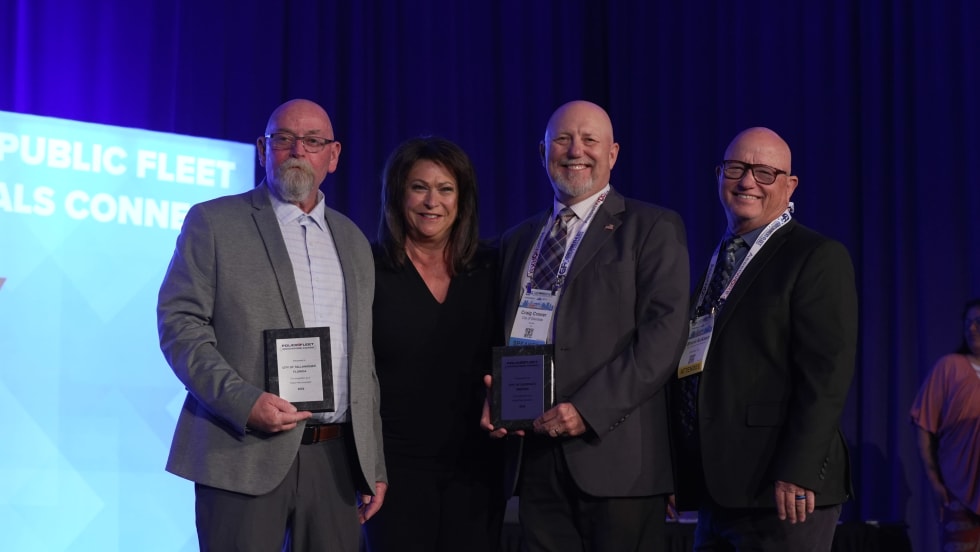
2026 Police Fleet Innovators Named
Meet the professionals finding new ways to solve some of law enforcement's toughest fleet challenges.
Read More →
Rynse Expands Nationwide Fleet Wash Access for Law Enforcement
The North Carolina Sheriff’s Association Contract Cooperative purchasing contract aims to streamline procurement process for law enforcement agencies across the U.S.
Read More →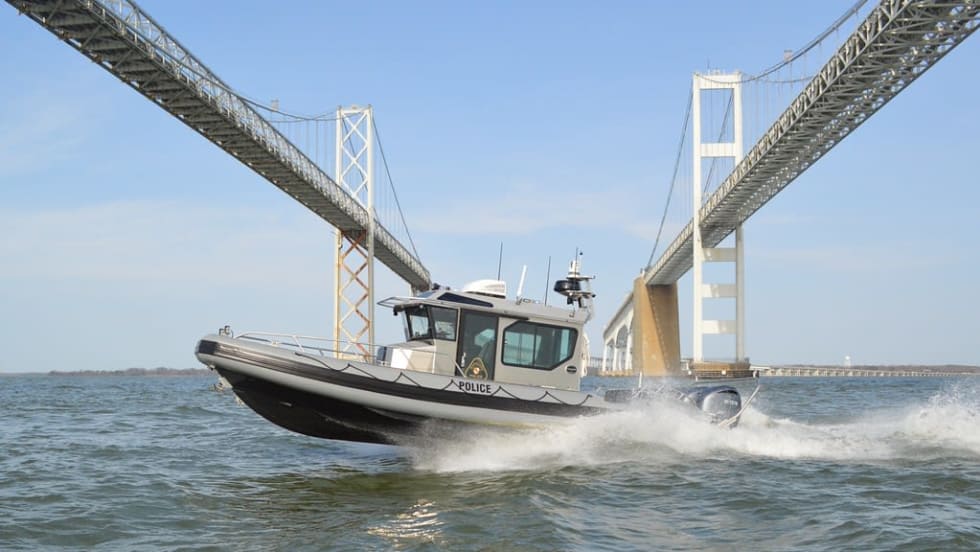
Maryland Natural Resources Police Adds 31-Foot Patrol Boat to Enforcement Fleet
A new addition to Maryland’s marine enforcement fleet is bringing expanded capabilities to Chesapeake Bay operations while honoring a legacy within the agency. The high-performance patrol vessel reflects how law enforcement fleets are adapting to growing demands on the water.
Read More →
LEHR Expands Florida Presence With Enforcement One Acquisition
LEHR has acquired Florida-based emergency vehicle upfitter Enforcement One, marking its eighth add-on acquisition.
Read More →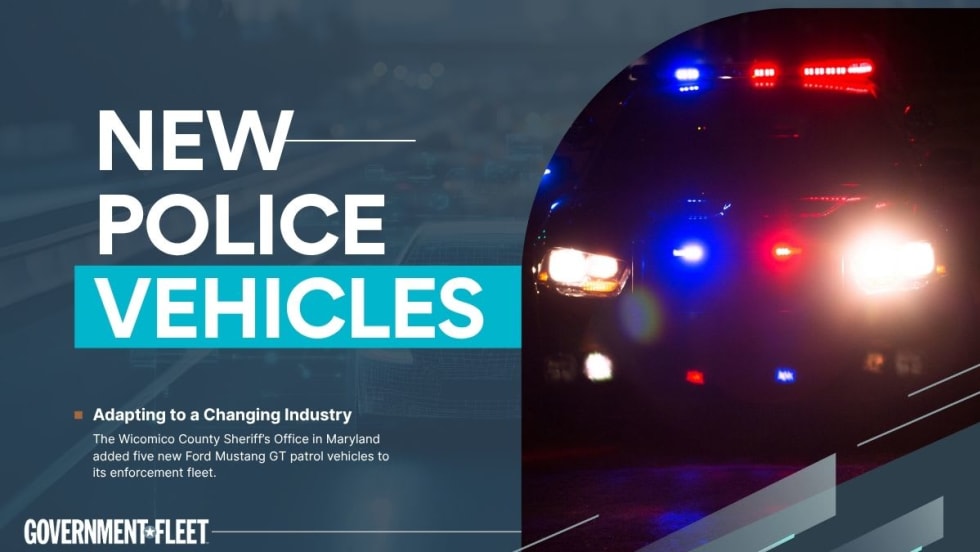
Maryland’s Wicomico County Sheriff Adds Mustang GT Patrol Vehicles
The agency is also working with the Maryland Police Training Commission on a specialized high-performance driving course for deputies assigned to the vehicles.
Read More →