




Ford Pledges to Build Greener Cars
Ford Motor Co. Chairman and CEO Bill Ford Jr. — responding to criticism from environmentalists — told company shareholders that the automaker is committed to spending 50 percent of its research budget on technology designed to boost fuel economy and reduce harmful emissions, according to the Detroit News.
LOUISVILLE, KY —- Ford Motor Co. Chairman and CEO Bill Ford Jr. — responding to criticism from environmentalists — told company shareholders that the automaker is committed to spending 50 percent of its research budget on technology designed to boost fuel economy and reduce harmful emissions, according to the Detroit News. Environmentalists demonstrated outside the company’s 49th annual meeting in Louisville, and again called on Ford to increase the average fuel economy of its vehicles to 50 miles a gallon by 2010. Gasoline prices climb above $2 a gallon in many regions and U.S. consumers continue to snap up large SUVs and pickups trucks. Last year, Ford rescinded a pledge to increase the fuel economy of its SUVs by 25 percent by 2005, drawing criticism from environmental groups. Ford shareholders defeated proposals that called for the company to take greater responsibility for greenhouse gas emissions and elect a greater number of independent directors. Three members of the Ford family — which controls 40 percent of the automaker through a special class of shares — sit on the company’s board. Of the six top automakers that sell vehicles in the United States, Ford ranks last with a lineup that averages 18.8 mpg, according to a new report from the Environmental Protection Agency. Ford has trailed major rivals since 1999 when it tied with General Motors Corp. for the worst rating. Bill Ford said the launch of the gasoline-electric Escape Hybrid SUV later this year and current sales of the low-emission PZEV Focus represent a “business opportunity” while addressing the concerns of environmentalists reported the Detroit News. In addition, the automaker is launching three new vehicles with an optional continuously variable transmission, which saves fuel and helps optimize engine performance. Bill Ford pledged to invest half of the company’s research budget in environmentally friendly technologies, but the automaker does not disclose a figure. More than 94 percent of shareholders voting rejected a proposal that would have forced Ford to report past and future greenhouse gas emissions. Patricia Day — spokeswoman for the proposal’s sponsor, the Sisters of St. Dominic — remained encouraged, largely because of Bill Ford’s personal commitment to environmental issues. The meeting, attended by 170 people, lasted just one hour and 45 minutes. It was the shortest session since the heady days of 2001 when Ford celebrated record earnings — $5.4 billion in 2000, reported the Detroit News. And the mood was subdued compared with previous shareholder meetings when staggering losses — $6.4 billion in 2001 and 2002 — fueled tension among shareholders. Bill Ford was mostly upbeat in his remarks, citing the automaker’s $1.9 billion first-quarter profit as evidence the restructuring plan started more than two years ago is working. He was interrupted by applause just once when he cited the company has beaten Wall Street earnings expectations for nine straight quarters. Shareholders rejected by 90 percent a proposal that would limit the number of employees on Ford’s board of directors. Bill Ford said such a move would restrict the company too much, citing the 2002 appointment of board member Carl Reichardt — former vice-chairman of Ford who has since retired — to assist with the company’s turnaround plan, reported the Detroit News.
More Operations
What Can Disappear After a Fleet Crash?
This week, we look at drone footage, what fleets should document before repairs begin, and share a quick poll.
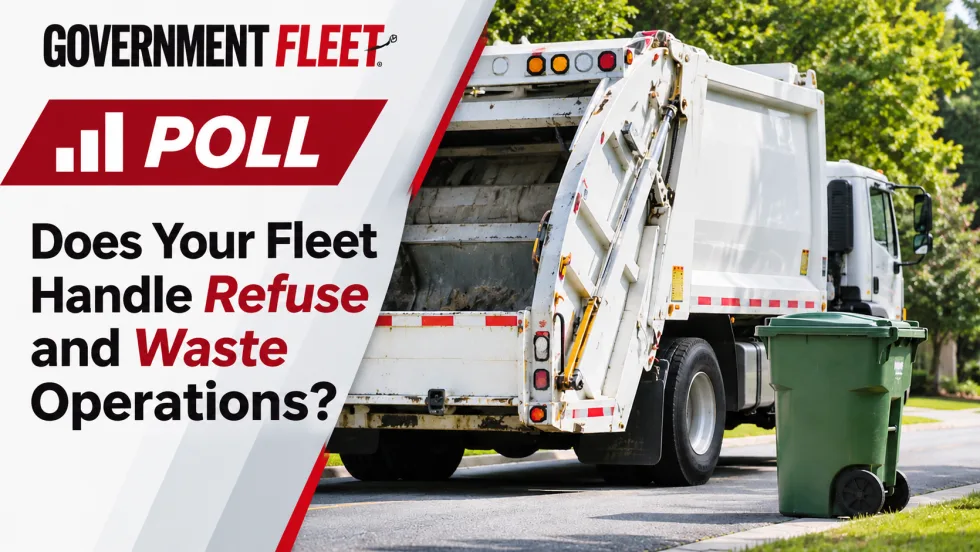
Does Your Government Fleet Handle Refuse and Waste Operations? Take Our Poll
Government Fleet wants to hear from public-sector fleet professionals about their responsibilities for refuse collection and waste management equipment.
Fleet Replacement Decisions, Waste Fleet Technology and the GFX Deadline
Is your next vehicle the right fit, can your records settle a missed pickup dispute, and what could your fleet teach others at GFX 2027?
Is Delaying Fleet Replacement Really Saving Money?
Could delaying replacement cost your fleet more than it saves? This week’s recap takes a closer look, plus an update on GFX 2027.

What Government Fleets Are Missing About Their True Costs
What are fleet budgets missing, and how can agencies use the data they already collect to make a stronger case for change?
Rethinking Fleet Decisions From the Budget Office to the Shop
This October we looked back at how public fleets are reconsidering familiar processes and using what they learn to make better decisions.
Who Owns the Message on a Refuse Truck?
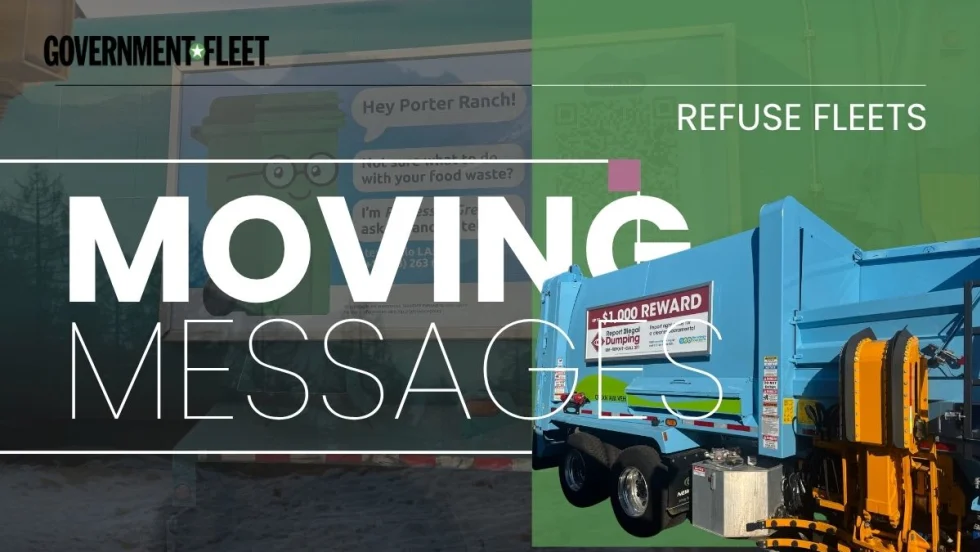
Refuse trucks can carry public messages into neighborhoods, but keeping those messages current takes planning and clear responsibility.
Who Deserves Fleet Recognition and What Could You Teach at GFX?
Who helped shape your fleet career, and what have you learned that could help someone else?

What’s Haunting Public Sector Fleets?
Public sector fleet challenges rarely happen in isolation, and addressing one often means understanding how it connects to another.
Is Keeping Older Fleet Vehicles Really Saving Money?
Is keeping vehicles longer saving money, and what happens when a diagnostic test points to the wrong fix?