




City of Santa Ana Adds Propane Autogas Ford F-550 Trucks
The new ROUSH CleanTech Ford F-550 trucks will reduce carbon emissions, lower fuel, and maintenance costs, and decrease reliance on imported oil.
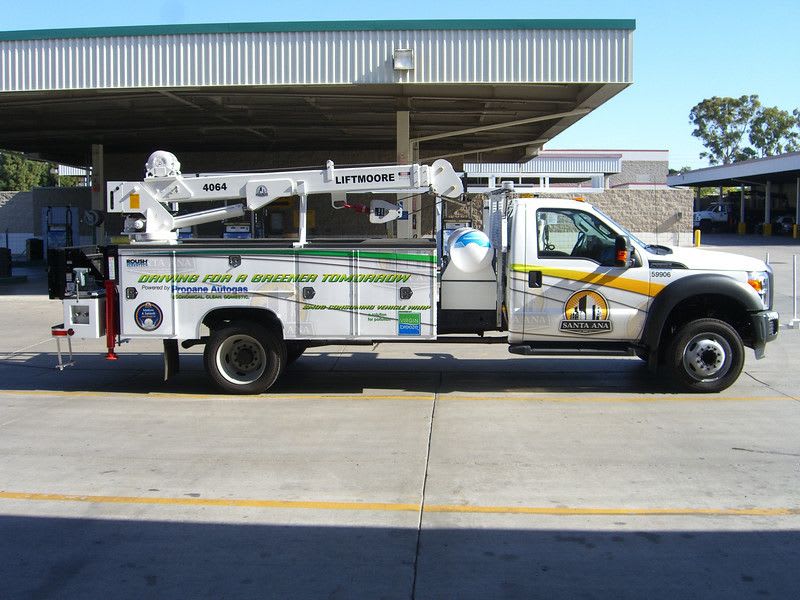
Photo courtesy of ROUSH CleanTech.
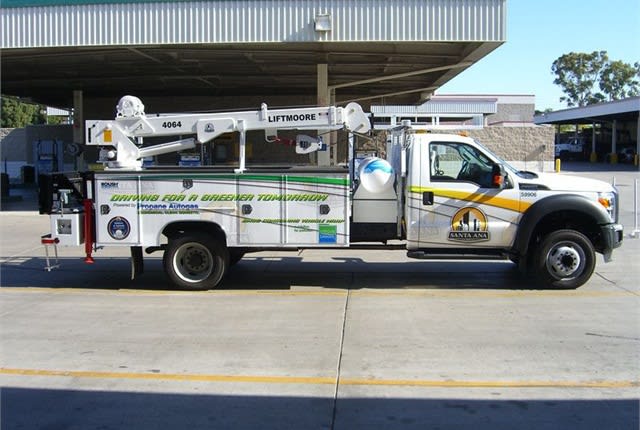
Photo courtesy of ROUSH CleanTech.
The City of Santa Ana has purchased seven vehicles fueled by propane autogas as part of its ongoing effort to enhance its commitment to conservation and the environment. The new ROUSH CleanTech Ford F-550 trucks will reduce carbon emissions, lower fuel, and maintenance costs, and decrease reliance on imported oil.
"The City of Santa Ana is serious about providing its citizens with clean air by embracing alternative energy and conserving natural resources," said Rick D. Longobart, the City's facilities, fleet and central stores manager. "The fact that we anticipate dramatic fuel and maintenance cost savings is a bonus."
Equipped with 52-usable-gallon propane autogas fuel systems, each Ford F-550 truck will reduce carbon dioxide emissions by about 55,000 pounds over its lifetime. Compared to conventional diesel counterparts, these propane autogas vehicles also minimize smog-producing hydrocarbons, virtually eliminate particulate matter, and lessen noise levels by about 50 percent.
Customized for residential maintenance purposes, the trucks will be used in the water and public works sectors. ROUSH brought one to the Government Fleet Expo and Conference in San Diego.

LONGOBART
In the past five years, the City has won more than a dozen fleet awards, including "Top Best Fleet" and "Fifth Greenest Fleet" by Government Fleet magazine and the Green California Leadership Award by Green Technology magazine. Longobart secured the "Fleet Manager of the Year" award from the Rocky Mountain Fleet Manager's Association in 2013.
"The City of Santa Ana was instrumental in providing feedback during the product development of our first Ford F-550 propane autogas fuel systems," said Todd Mouw, vice president of sales and marketing for ROUSH CleanTech. "Proven environmental leaders, the City will virtually eliminate particulate emissions and save tens of thousands of dollars in fuel and maintenance costs by replacing aging diesel trucks with new propane autogas F-550s."
The current cost of propane autogas in the area is $1.50 per gallon, said Longobart.
The Facilities, Fleet and Central Stores Management (FFCS) division’s aggressive five-year strategic plan calls for at least 75 percent of its fleet to fuel with "renewable and sustainable energy." FFCS has pursued and received various funding, including a grant from the state’s Mobile Source Air Pollution Reduction Review Committee, which assists motor vehicle projects that reduce emissions.
The city plans to install a 2,000-gallon publicly accessible propane autogas station in a central location. "We really believe in this domestic clean fuel and want other organizations and citizens to use it," said Longobart.
More Green Fleet
Sustainability Partners, Energy Systems Group Help Albuquerque Close the Gap on its 100% Renewable Energy Goal
The eight-site, 6 MW solar project has advanced the city toward 100% renewable energy for municipal operations.
Read More →
Port Authority and CALSTART Launch $45 Million Electric Truck and Charging Programs
The programs aim to boost sustainable operations across the East Coast's busiest seaport.
Read More →
Moving Government Fleets Beyond the Vehicle Purchase: EV as a Service
A discussion on how EVaaS is moving beyond pilot programs and what fleets should consider before beginning a larger deployment.
Read More →
Moving Government Fleets Beyond the Vehicle Purchase: EV as a Service
As fleets move beyond small EV pilots, Sustainability Partners CEO Adam Cain explains how EVaaS can address the infrastructure and long-term planning required for larger deployments.
Read More →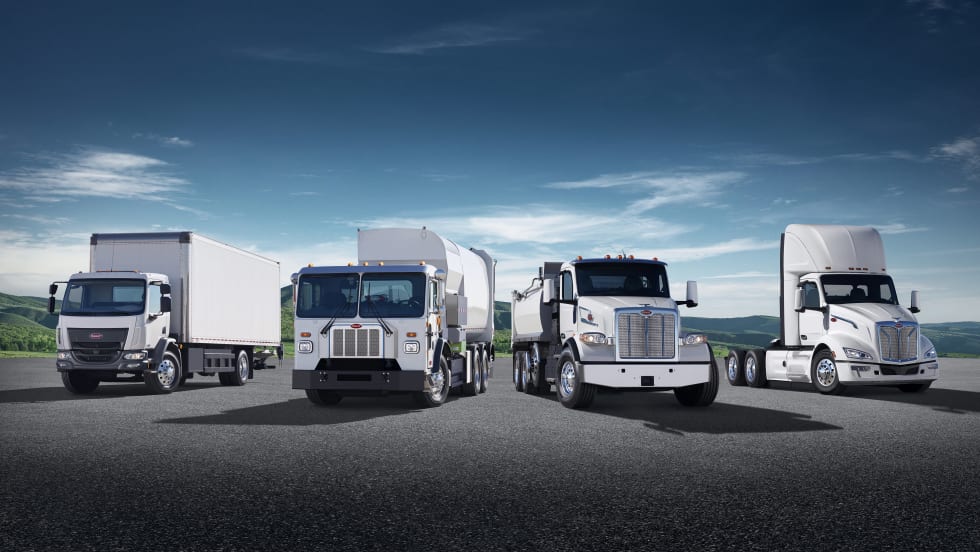
Peterbilt Expands Sourcewell Partnership with Electric Vehicle Lineup
The agreement aims to provide streamlined procurement of Peterbilt trucks for government, education, nonprofit and tribal organizations across the United States and Canada.
Read More →
EV Adoption & Charging Challenges
Where is your fleet in the journey of vehicle electrification? If you're still looking for answers to fleet electrification you've come to the right place.
Read More →
Hawaii Passes Clean Fuel Policy
Hawaii lawmakers passed clean fuel legislation that could support renewable natural gas production, biogas-powered transportation, and lower-carbon fueling options for public and commercial fleets.
Read More →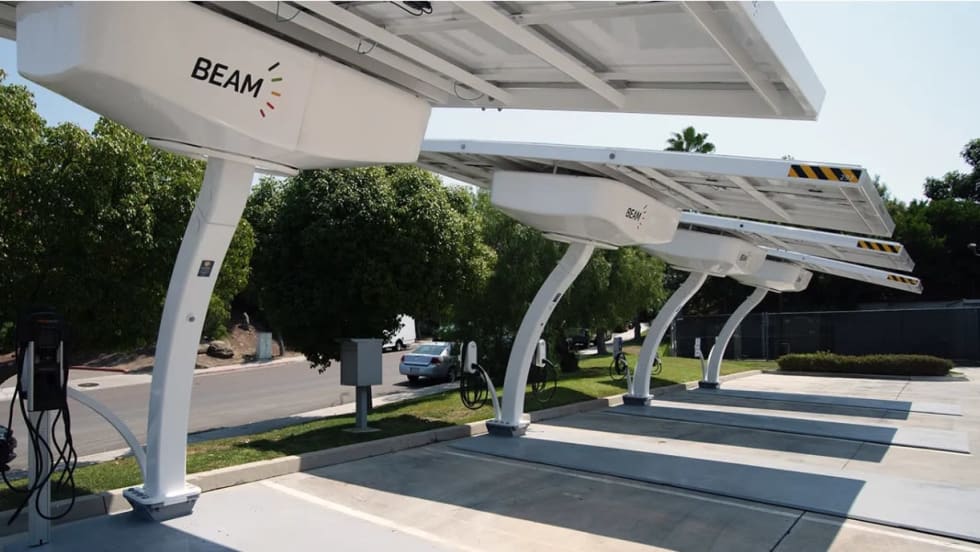
Stanislaus County Deploys Ten Beam Global EV ARC Systems to Support County Fleet Electrification
Stanislaus County deployed 10 off-grid solar-powered EV charging systems and a mobile charging trailer from Beam Global to support its electric fleet operations and emergency response flexibility.
Read More →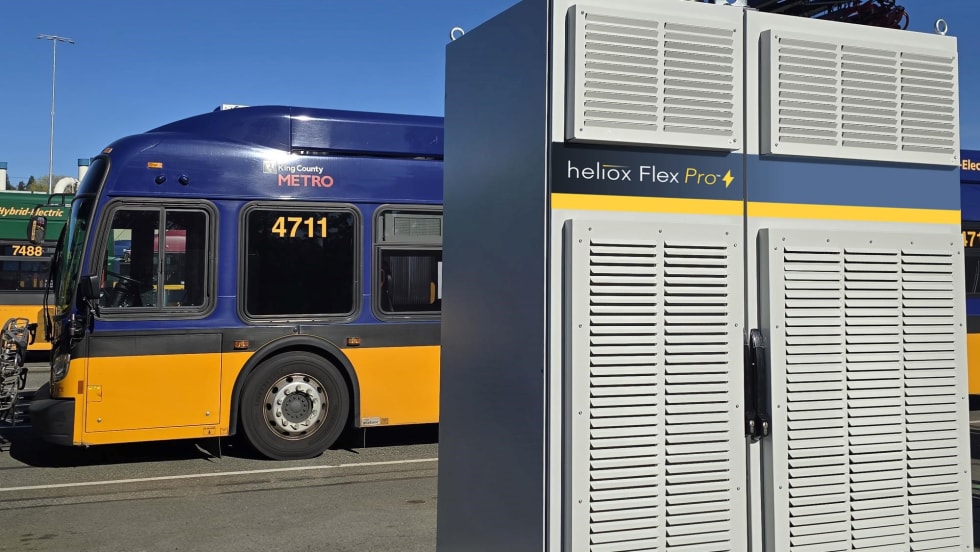
Heliox Pilots 480-kW Bus Charger with King County Metro
King County Metro is piloting Heliox’s new 480-kW Flex Pro charger to support expansion of its battery-electric bus fleet and depot charging infrastructure. The compact charging system supports pantograph and plug-in charging configurations for high-density transit operations.
Read More →