




Fire Department Equipment Shortage Forces City to Use Pickup Truck
WATERBURY, CT – An equipment shortage forced the fire department to temporarily replace Engine 11 with a pickup truck for much of the last week, according to the Waterbury Republican-American newspaper.
WATERBURY, CT – An equipment shortage forced the fire department to temporarily replace Engine 11 with a pickup truck for much of the last week, according to the Waterbury Republican-American newspaper. The 1988 American-LaFrance pump engine that serves Town Plot and the densely populated Brooklyn neighborhood was undergoing repairs to its brakes. "From time to time this is going to happen, at least in the fire department, because we have a shortage of spare apparatus," said Fire Chief Michael Maglione. The city has only one spare fire engine, and that extra vehicle had been sent to replace Engine 6, which also is undergoing repairs. The city now has one new fire engine on order and plans to solicit bids on another in the fall, but it can take up to a year for a fire engine to be delivered after its ordered. Once those engines arrive, Maglione said the department will have sufficient spare engines to cover stations whose vehicles are out for repair. Fire union President Daniel French said the pace of vehicle replacement is far short of what it should be. In 1990, Engine 11 firefighters Heriberto Rivera and Howard Hughes were killed when the brakes failed on their truck and it slammed into a tree on Highland Avenue en route to what turned out to be a false alarm. In the aftermath of that fatal accident, the city committed to buying a new engine every two years to make sure there were sufficient backups in the fleet to see to repairs. The city hasn't taken delivery on a new engine since 2001. A new ladder truck was added to the fleet in June.
More Operations
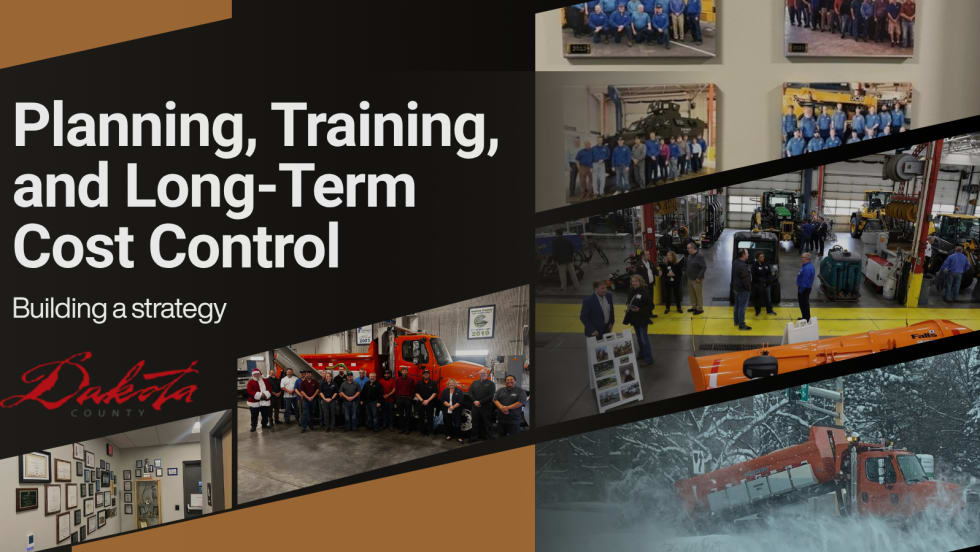
How Dakota County Built a More Structured Fleet Operation
Kevin Schlangen shares how Dakota County’s fleet moved from reactive repairs and limited oversight to a more structured approach built around planning, training, and long-term cost control.
Read More →
Is Your Fleet Ready Before the Storm Hits? | GovCast Cheat Sheet
Could better preparation before a storm and new vehicle technology help fleets recover faster while improving safety?
Read More →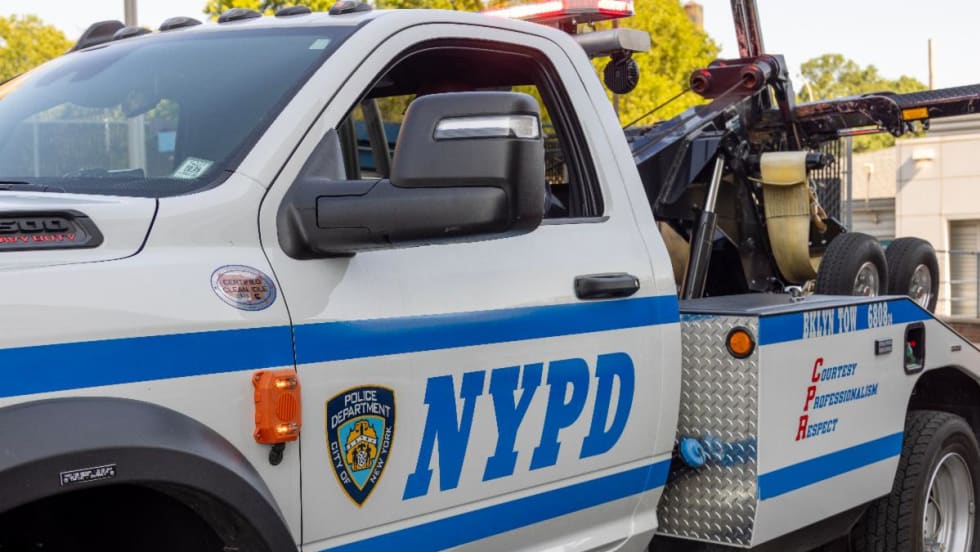
New York City Orders Safety Technology for Municipal Fleet
New York City is expanding the use of pedestrian alerts and intelligent speed assistance across its non-emergency fleet. The executive order establishes new technology requirements for future vehicle purchases while accelerating retrofits on thousands of existing municipal trucks.
Read More →
The Network Behind Better Government Fleet Decisions
A discussion on why relationships across the government fleet community have played such an important role and what shapes the leadership response.
Read More →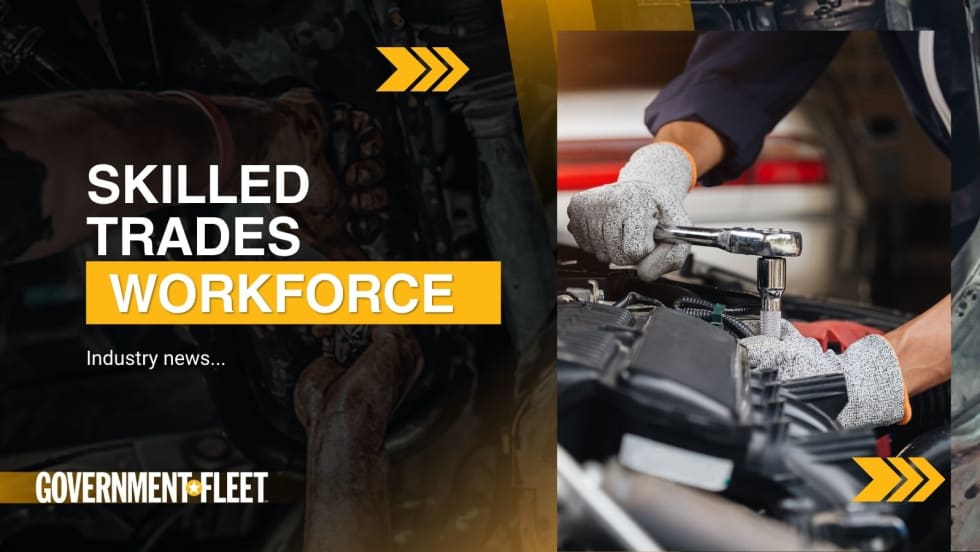
Ford, BlackRock, Google and Carhartt Form Skilled Trades Workforce Alliance
The alliance plans to develop a stronger pipeline between training programs and available jobs while examining workforce efforts already underway across the country.
Read More →
The Network Behind Better Government Fleet Decisions
A discussion on why relationships across the government fleet community have played such an important role and what shapes the leadership response.
Read More →
What Makes Fleet Technicians Stay? | GovCast Cheat Sheet
The technician hiring and retention discussion is not new, but the way fleets respond to it continues to matter.
Read More →

On the Road with Government Fleet: Essential Podcasts for Professionals
Let's celebrate listening! Check out a GovCast podcast and discover the insights and strategies that can transform your fleet management approach.
Read More →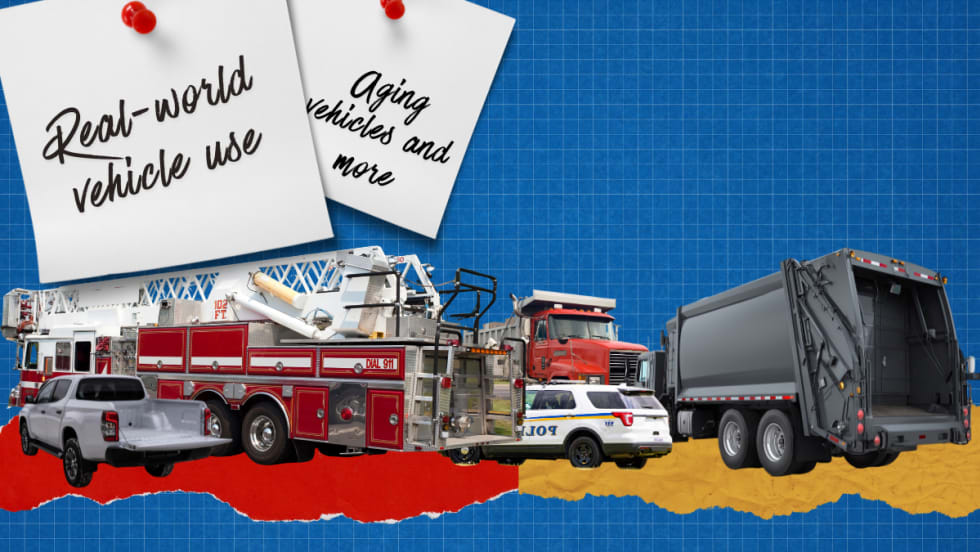
How Real-World Vehicle Use Guides Replacement And Budgets
Three public fleet leaders explain how they use real-world vehicle data and long-term planning to keep aging assets in service and make more informed replacement and budgeting decisions in a high-cost environment.
Read More →