




Federal Funds for Natural Gas Vehicles Aimed at Improving Kansas City Air Quality
SHAWNEE, KS — To improve air quality, Shawnee, Kan., this fall will invest city and federal funds in a compressed natural gas fueling station and three compressed natural gas fuel cars, according to the Kansas City Star newspaper on July 8.
SHAWNEE, KS — To improve air quality, Shawnee, Kan., this fall will invest city and federal funds in a compressed natural gas fueling station and three compressed natural gas fuel cars, according to the Kansas City Star newspaper on July 8. A federal program that works against transportation's negative impact on air quality is pitching in $86,000 for Shawnee's station/car project, and the city will contribute $42,000 of its own funds. Total project cost is $128,000. The federal air-quality program grants money to city and county entities through the Kansas Department of Transportation, but the program is overseen locally by the Mid-America Regional Council (MARC). Shawnee Public Works Director Ron Freyermuth said the city plans to replace three vehicles that use unleaded fuel with the three compressed natural gas (CNG) fuel sedans. CNG is regarded as a clean fuel that is marginally less expensive than unleaded gasoline. James Joerke, air quality program manager for MARC, said the federal program that is granting money to Shawnee aims to minimize ground-level ozone, a widespread air pollutant that affects the respiratory system. Joerke said emissions of unleaded gasoline contribute to this type of ozone. Sam Swearngin, manager of one of the Kansas City area's largest CNG fuel fleets, said CNG fuel is the cleanest commercially available alternative fuel. Swearngin manages the water services fleet for the City of Kansas City. CNG sedans look the same as regular sedans, Swearngin said. The only difference is less space in the trunk, where most CNG fuel tanks are mounted. Swearngin said CNG fuel tanks are thick and harder to puncture than gasoline tanks, but it takes three times the volume of CNG to get the same amount of energy that's in unleaded gasoline. Shawnee building inspectors and codes administrators will use two of the three new CNG fuel sedans; engineering inspectors or technicians will use the other. Freyermuth said construction on Shawnee's CNG fueling station probably will begin this fall at the current public works station at 67th Street and Quivira Road. The city also will begin the bidding process for the cars in the fall. MARC chooses the city and county projects in the Kansas City area that receive grants. Joerke said projects must demonstrate benefits and cost effectiveness, and MARC tries to select geographically varied city and county entities. Joerke acknowledges that adding three CNG fuel cars to Kansas City area roadways makes a small improvement in air quality, because the CNG fuel cars are drastically outnumbered by cars that use unleaded gasoline. But he added that any reduction in emissions is a step in the right direction. The upfront costs of using CNG fuel are high, because the city must acquire the station and the cars, Joerke said, but the costs go down over time. He said MARC wants to encourage governments to use alternative fuels and be aware of ozone issues. Joerke said most of the larger Kansas City area entities have applied for air-quality improvement funds, and MARC encourages all to do so. However, MARC must wait for the federal transportation bill to gain Congressional approved before it can assess funding for future programs in other communities.
More Operations
Improving Fleet Efficiency with Motorpool Technology
Government Fleet caught up with Daniel McGehee, Head of Sales, US, and APAC, Ridecell, about top concerns for motorpools, keyless technology, and how motorpools have transformed the way fleets are managed.
Read More →
How the Right Public Works Equipment Can Ease Your Bottom Line
Government Fleet sits down with Mark Allison, Director of Excavator Products, Gradall, and Tod Ebetino, Director, Vacall Products, to discuss the importance of using the right equipment that can make jobs more efficient and cost-effective.
Read More →
How Government Fleets Are Turning Connected Vehicle Data Into Practical Decisions
Public sector fleets are using connected technology to improve visibility, but the bigger challenge is building the processes to act on the information it provides.
Read More →
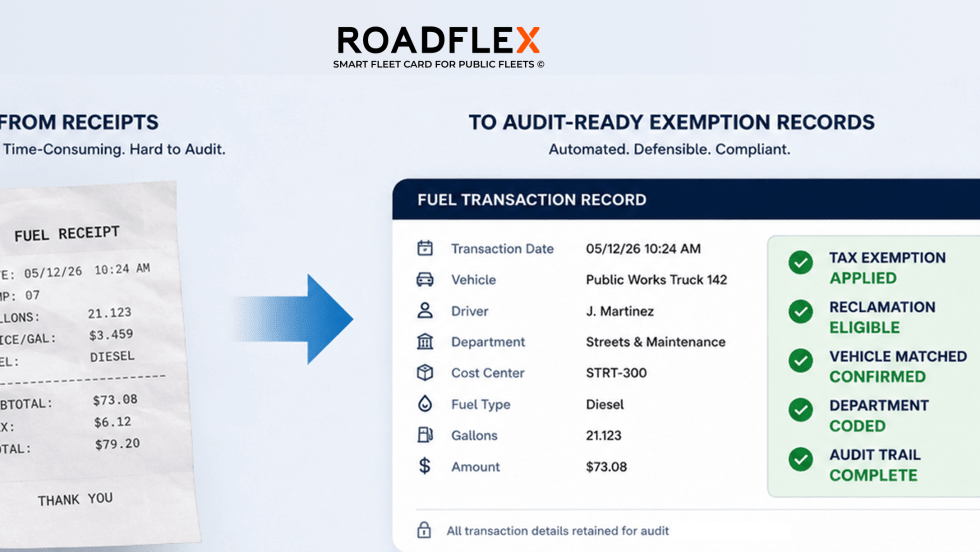
RoadFlex Brings Fuel Tax Compliance and Audit-Ready Reporting to Government, Public Works Fleets
New capabilities aim to help public-sector and public works fleets streamline fuel tax exemptions, reclamation, reconciliation, and audit-ready reporting.
Read More →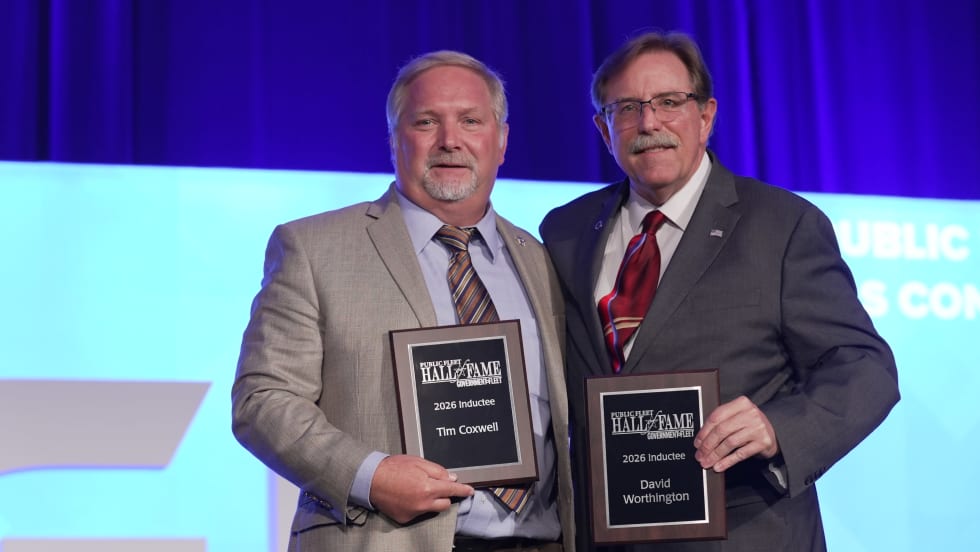
2026 Public Fleet Hall of Fame Inductees Honored
This year's class includes leaders whose work has helped shape the public fleet industry.
Read More →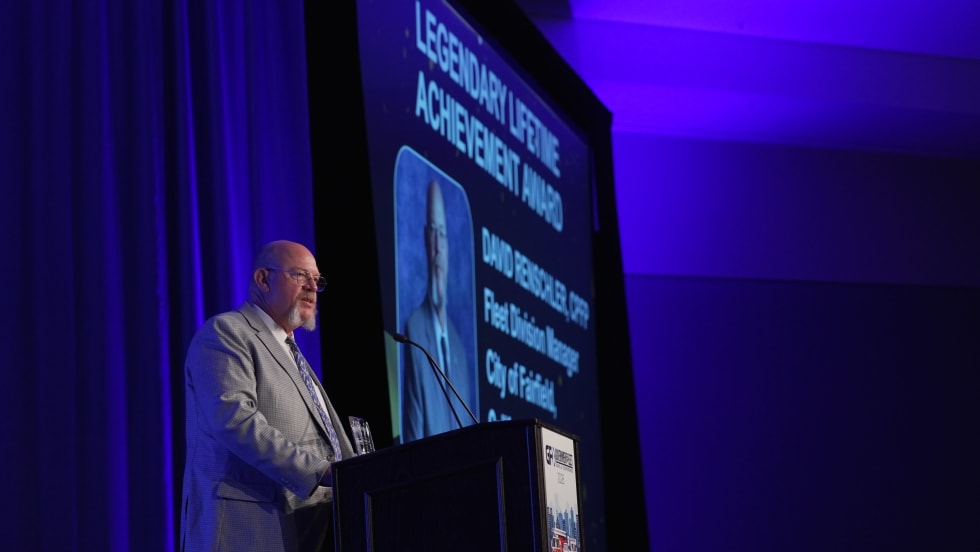
David Renschler Receives 2026 Legendary Lifetime Achievement Award
Andy Campbell of Sourcewell, which partnered with Government Fleet in presenting the award, recognized Renschler.
Read More →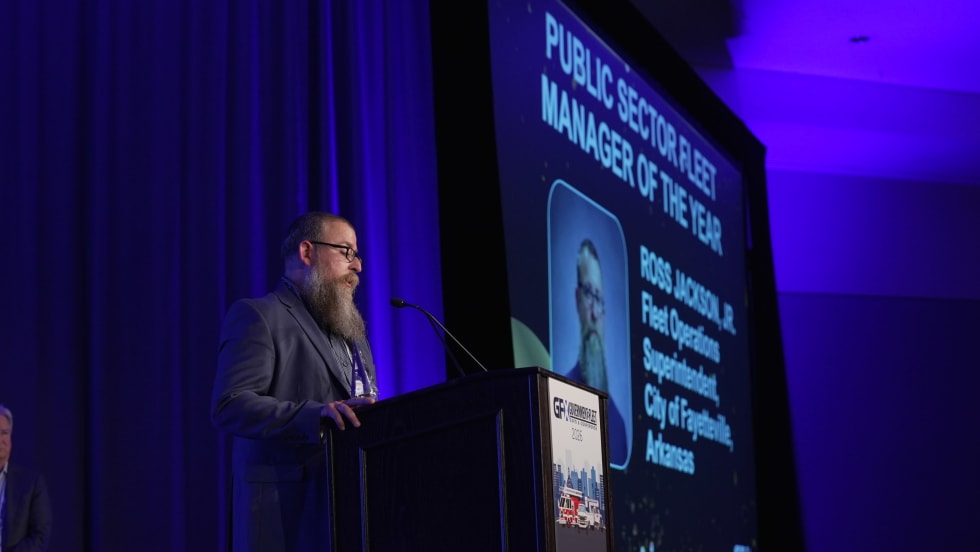
Ross Jackson Jr. Named 2026 Public Sector Fleet Manager of the Year
His leadership, innovation, and commitment to excellence earned him one of the industry's top honors.
Read More →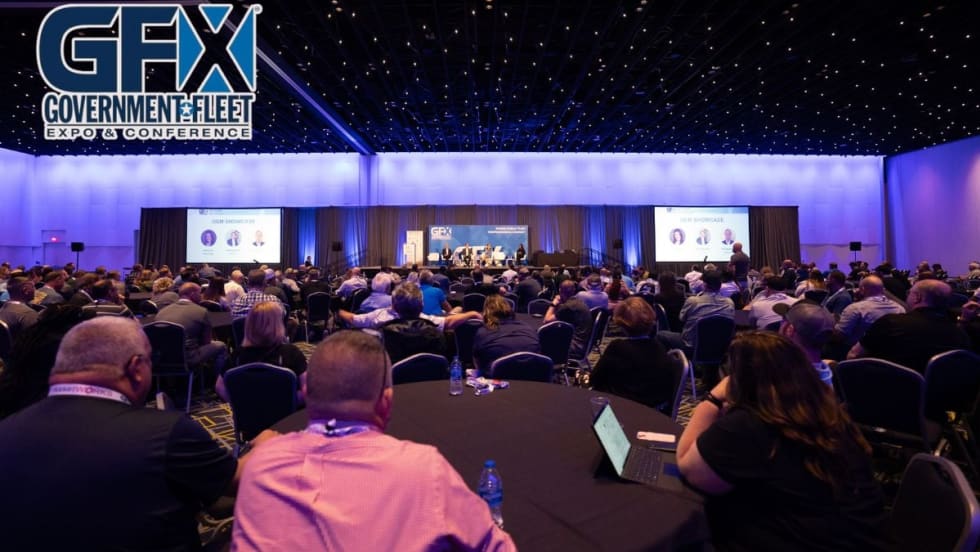
Public Fleet Professionals Set to Converge as GFX Gets Underway
Known as the largest gathering of public fleet professionals in the nation, GFX will feature in-depth training sessions, emerging fleet technologies, and access to leading suppliers and service providers.
Read More →
The Technician Pipeline: Finding, Keeping, and Promoting Techs Within the Operation
A look at where to find good talent, what fleets are doing to incentivize those techs to stay within the fleet, and what promotion looks like for a technician within the public sector.
Read More →
5 Public Fleet Stories Worth Revisiting Before GFX | The May Dispatch
Public fleet leaders are being asked to prepare for more, communicate better, and make decisions that hold up under pressure.
Read More →