




Fed Fleet Slow to Track Flex-Fuel Vehicle Locations
WASHINGTON - Another shortcoming of the Energy Policy Act was that the legislation did not require fleet managers to track vehicle locations. The fleet grew, but no one knew how it was taking shape.
WASHINGTON - Another shortcoming of the Energy Policy Act was that the legislation did not require fleet managers to track vehicle locations. The fleet grew, but no one knew how it was taking shape, according to the Washington Post.
This discouraged private investment in fueling stations was because the industry needed better data.
"I have to be able to justify it economically. I need a business plan that shows it's worth the investment for my costs of getting the fuel there and putting in a station. The best data every time is where the federal fleet is located," said Curtis Donaldson, president of Texas-based CleanFuel USA, which builds propane and E-85 stations.
To remedy this, legislation passed in 2005 requires agencies to seek an exemption or waiver from the Energy Department for each flex-fuel vehicle it owns or leases that is more than five miles or 15 minutes from the closest ethanol station. (Agencies also can seek exemptions if E-85 costs at least 15 percent more than standard gasoline. There were no such waiver requests this fiscal year.)
Sixty-one percent of the fleet—more than 67,000 vehicles—received waivers for 2008-09, the second year data were reported.
The waivers did offer a valuable tool: ZIP code locations for each exempted vehicle that could be fed into an Energy Department database and shared with companies that build fuel stations.
The data, however, do not identify the location of the other 39 percent of the flex-fuel fleet that also struggles to find E-85, an important problem to solve since these vehicles run on the fuel 8 percent of the time.
It is also unclear whether vehicles granted waivers are truly too far away from the E-85 stations to use them. The Washington Post's analysis, comparing locations of exempted vehicles with E-85 fueling stations, shows that 13 percent of the vehicles are within five miles of publicly available ethanol pumps.
Energy Department officials said some agencies may have secured waivers because of other factors, including stations that do not accept a government credit card or that have unreliable E-85 supplies.
In urban areas, exemptions were typically granted because traffic congestion made even a two- or three-mile drive costly and time-consuming.
The GAO said its analysis showed that future improvements will rely on better data. And it is time for the government to reassess the original vision for the fleet, the agency said.
"It can be a role model, a leader," said Mark Gaffigan of the Government Accountability Office. "And it should."
More Green Fleet
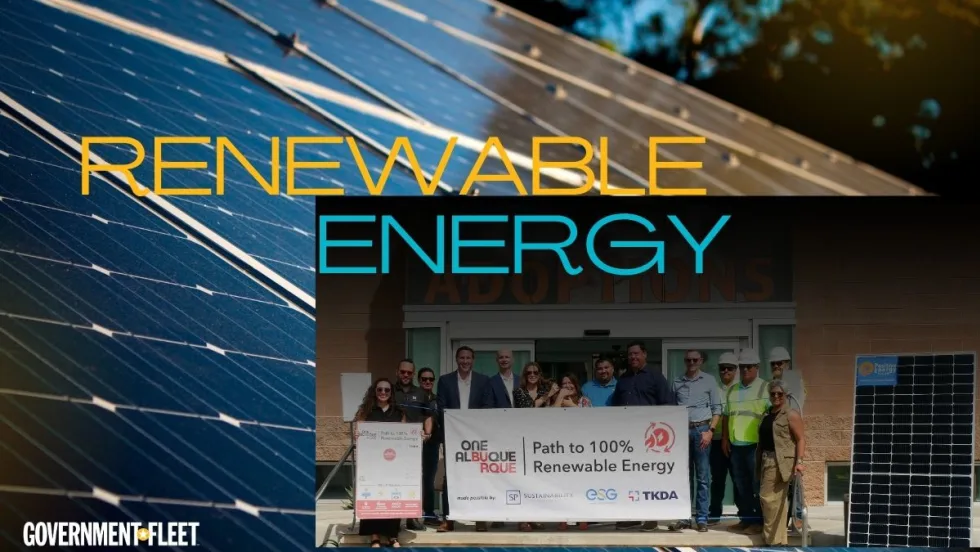
Sustainability Partners, Energy Systems Group Help Albuquerque Close the Gap on its 100% Renewable Energy Goal
The eight-site, 6 MW solar project has advanced the city toward 100% renewable energy for municipal operations.
Read More →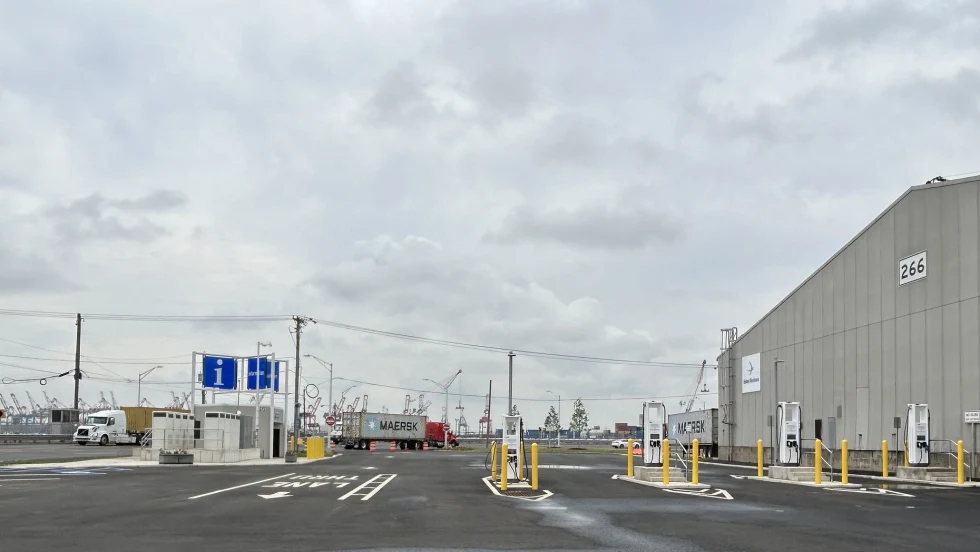
Port Authority and CALSTART Launch $45 Million Electric Truck and Charging Programs
The programs aim to boost sustainable operations across the East Coast's busiest seaport.
Read More →
Moving Government Fleets Beyond the Vehicle Purchase: EV as a Service
A discussion on how EVaaS is moving beyond pilot programs and what fleets should consider before beginning a larger deployment.
Read More →
Moving Government Fleets Beyond the Vehicle Purchase: EV as a Service
As fleets move beyond small EV pilots, Sustainability Partners CEO Adam Cain explains how EVaaS can address the infrastructure and long-term planning required for larger deployments.
Read More →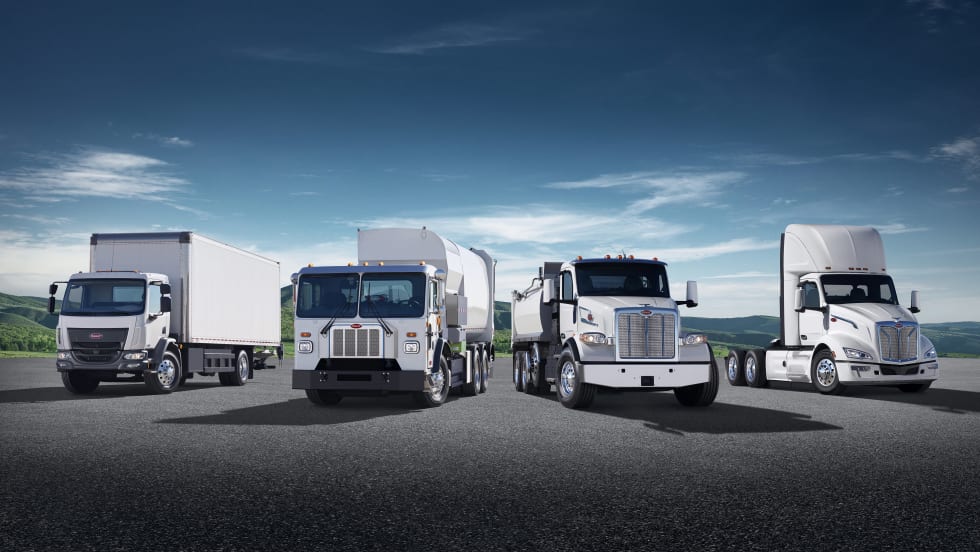
Peterbilt Expands Sourcewell Partnership with Electric Vehicle Lineup
The agreement aims to provide streamlined procurement of Peterbilt trucks for government, education, nonprofit and tribal organizations across the United States and Canada.
Read More →
EV Adoption & Charging Challenges
Where is your fleet in the journey of vehicle electrification? If you're still looking for answers to fleet electrification you've come to the right place.
Read More →
Hawaii Passes Clean Fuel Policy
Hawaii lawmakers passed clean fuel legislation that could support renewable natural gas production, biogas-powered transportation, and lower-carbon fueling options for public and commercial fleets.
Read More →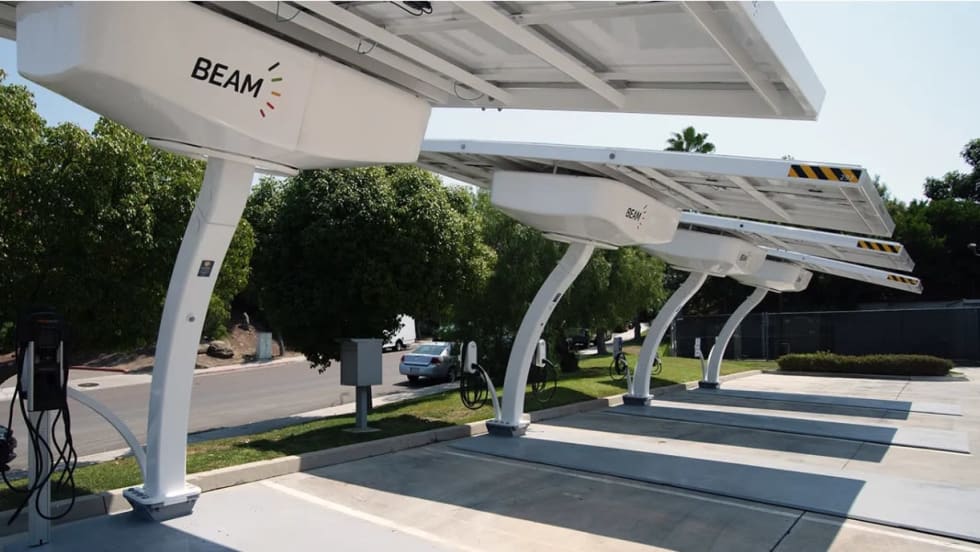
Stanislaus County Deploys Ten Beam Global EV ARC Systems to Support County Fleet Electrification
Stanislaus County deployed 10 off-grid solar-powered EV charging systems and a mobile charging trailer from Beam Global to support its electric fleet operations and emergency response flexibility.
Read More →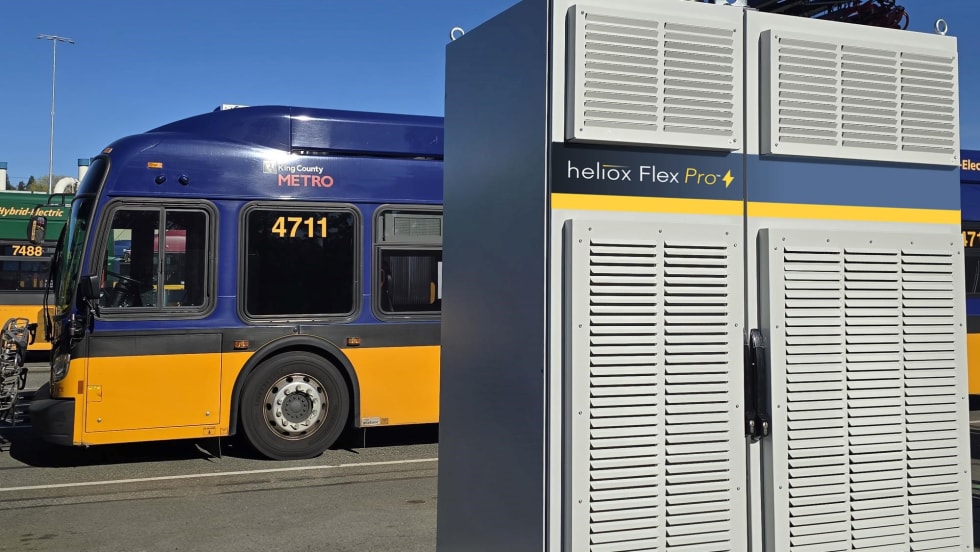
Heliox Pilots 480-kW Bus Charger with King County Metro
King County Metro is piloting Heliox’s new 480-kW Flex Pro charger to support expansion of its battery-electric bus fleet and depot charging infrastructure. The compact charging system supports pantograph and plug-in charging configurations for high-density transit operations.
Read More →