





Similar Content: Preparing Your Organization for Fleet Electrification
New Online Toolkit Helps State Fleets Electrify
The new database and step-by-step guide from the Electrification Coalition puts resources at fleet managers’ fingertips.
December 15, 2021
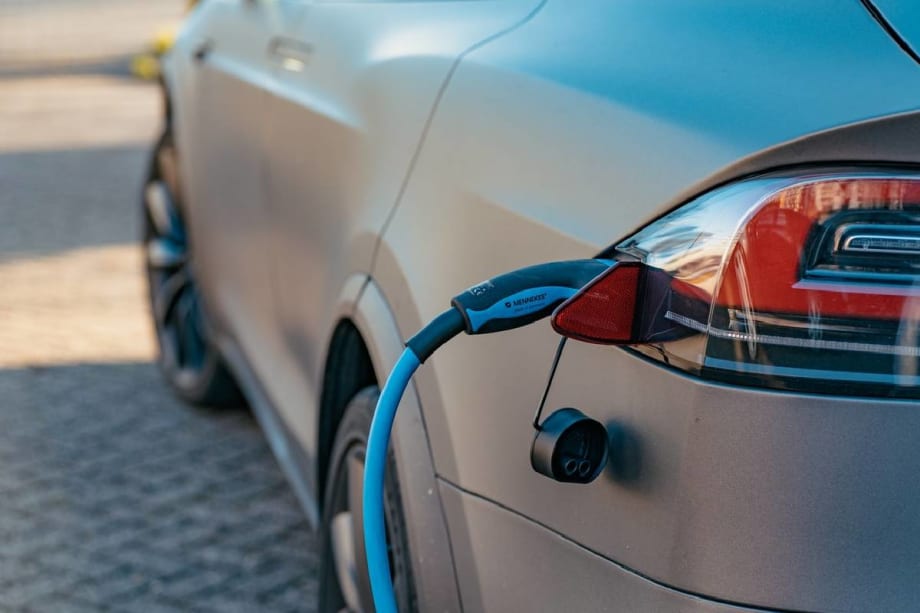
The new database and step-by-step guide puts resources at fleet managers’ fingertips.
Photo: Unsplash/Ernest Ojeh
3 min to read
The Electrification Coalition has released a new online tool providing easy access to hundreds of resources curated for state vehicle fleets to accelerate the transition to electric vehicles. The State Plug-In Adoption Resource Kit, or SPARK, is a searchable database of policies, planning documents, reports, case studies, and other resources for state fleet managers, agency leadership, policymakers, and advocates.
In addition to the database of resources, SPARK includes an interactive step-by-step guide to lead state agencies through the process of fleet electrification, from planning to deployment. As users work their way through each step, the tool presents corresponding resources from the database.
The Electrification Coalition unveiled the new toolkit during an online event featuring speakers from the U.S. Department of Transportation, U.S. Department of Energy, and U.S. Environmental Protection Agency. Officials shared updates and guidance on how states, local communities, and private-sector partners can take advantage of transportation electrification funding opportunities in the Bipartisan Infrastructure Law, signed last month by President Biden.
Officials at the online event also announced the creation of a Joint DOT-DOE Office of Energy and Transportation to support the deployment of $7.5 billion from the infrastructure law to build out a national electric vehicle charging network that can build public confidence in EVs, with a focus on filling gaps in rural, disadvantaged, and hard-to-reach locations.
The Electrification Coalition developed SPARK in collaboration with and support from the U.S. Climate Alliance, a bipartisan coalition of governors committed to reducing greenhouse gas emissions consistent with the goals of the Paris Agreement.
As states, cities, transit agencies, private-sector partners, and other stakeholders prepare to take advantage of federal funding opportunities for electrification, they can use SPARK in tandem with complementary resources and tools developed by the Electrification Coalition:
Dashboard for Rapid Vehicle Electrification (DRVE Tool): The DRVE Tool provides quick and easy analysis for light-, medium-, and heavy-duty fleet electrification. Users can upload fleet data into an easy-to-use tool that calculates total cost of ownership (TCO) and emissions for your existing conventional vehicles and then provides comparison data and recommendations for comparable EVs.
The EV Laws and Incentives Database: Users can find federal and state laws and incentives for electric vehicles, charging stations, air quality, fuel efficiency, and other transportation-related topics. This tool pulls from the U.S. Department of Energy’s Alternative Fuels Data Center and is continually updated by the National Renewable Energy Laboratory.
Federal Funding Guidance for Cities: The Electrification Coalition has developed guidance to local governments for obtaining federal funding for electrification projects. It details resources that can help cities, towns, and counties plan electrification projects and prepare applications for federal funding. The guidance includes project proposal checklists and tips for developing a successful funding application.
More Green Fleet
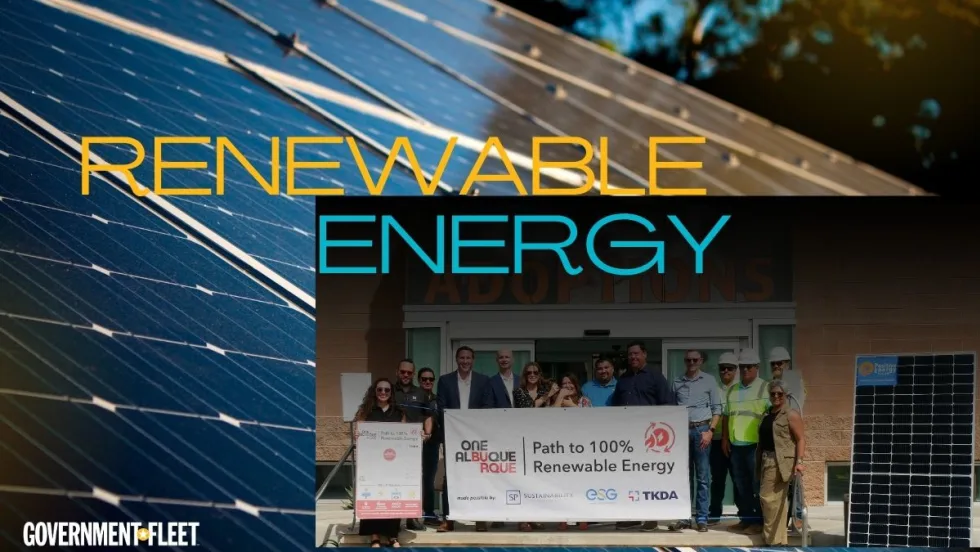
Sustainability Partners, Energy Systems Group Help Albuquerque Close the Gap on its 100% Renewable Energy Goal
The eight-site, 6 MW solar project has advanced the city toward 100% renewable energy for municipal operations.
Read More →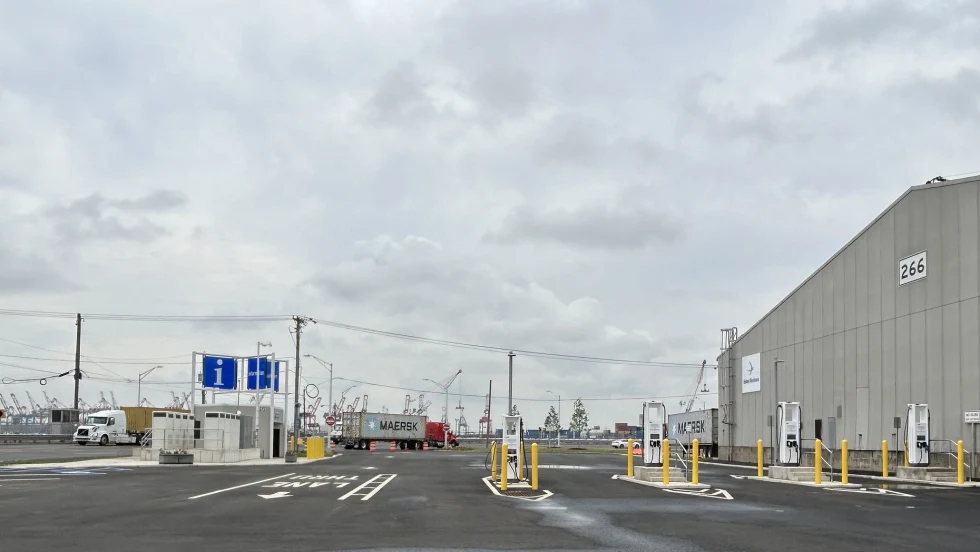
Port Authority and CALSTART Launch $45 Million Electric Truck and Charging Programs
The programs aim to boost sustainable operations across the East Coast's busiest seaport.
Read More →
Moving Government Fleets Beyond the Vehicle Purchase: EV as a Service
A discussion on how EVaaS is moving beyond pilot programs and what fleets should consider before beginning a larger deployment.
Read More →
Moving Government Fleets Beyond the Vehicle Purchase: EV as a Service
As fleets move beyond small EV pilots, Sustainability Partners CEO Adam Cain explains how EVaaS can address the infrastructure and long-term planning required for larger deployments.
Read More →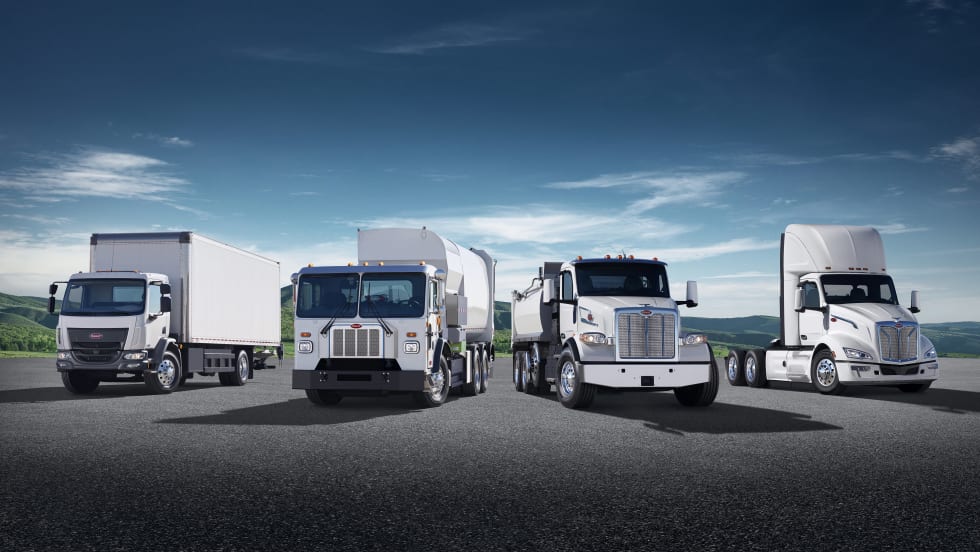
Peterbilt Expands Sourcewell Partnership with Electric Vehicle Lineup
The agreement aims to provide streamlined procurement of Peterbilt trucks for government, education, nonprofit and tribal organizations across the United States and Canada.
Read More →
EV Adoption & Charging Challenges
Where is your fleet in the journey of vehicle electrification? If you're still looking for answers to fleet electrification you've come to the right place.
Read More →
Hawaii Passes Clean Fuel Policy
Hawaii lawmakers passed clean fuel legislation that could support renewable natural gas production, biogas-powered transportation, and lower-carbon fueling options for public and commercial fleets.
Read More →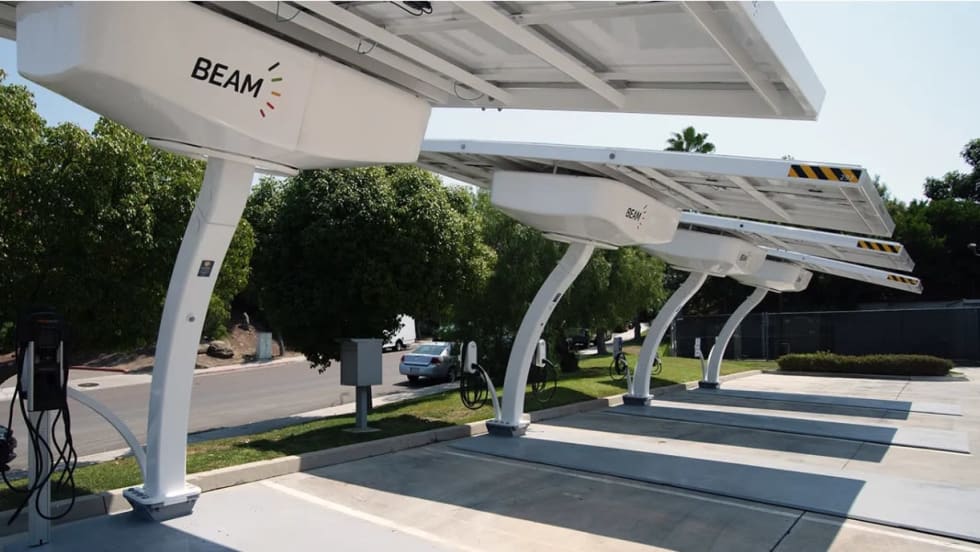
Stanislaus County Deploys Ten Beam Global EV ARC Systems to Support County Fleet Electrification
Stanislaus County deployed 10 off-grid solar-powered EV charging systems and a mobile charging trailer from Beam Global to support its electric fleet operations and emergency response flexibility.
Read More →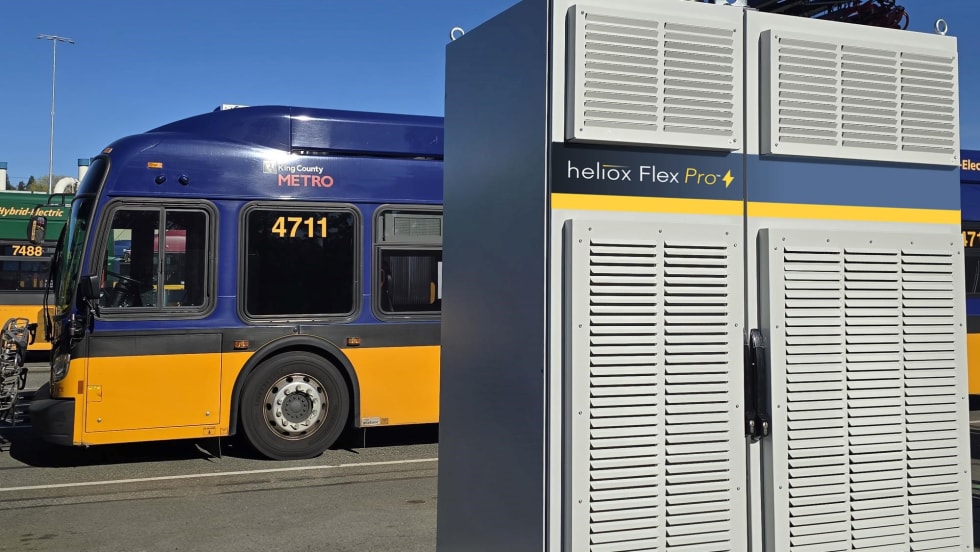
Heliox Pilots 480-kW Bus Charger with King County Metro
King County Metro is piloting Heliox’s new 480-kW Flex Pro charger to support expansion of its battery-electric bus fleet and depot charging infrastructure. The compact charging system supports pantograph and plug-in charging configurations for high-density transit operations.
Read More →