




Diesel-Electric Most Popular Hybrid Trucks By 2023
Penetration rates in the overall market for commercial vehicles are anticipated to remain low, according to a new report from Navigant Research that analyzes the global market for commercial vehicles that use electric drive technology.
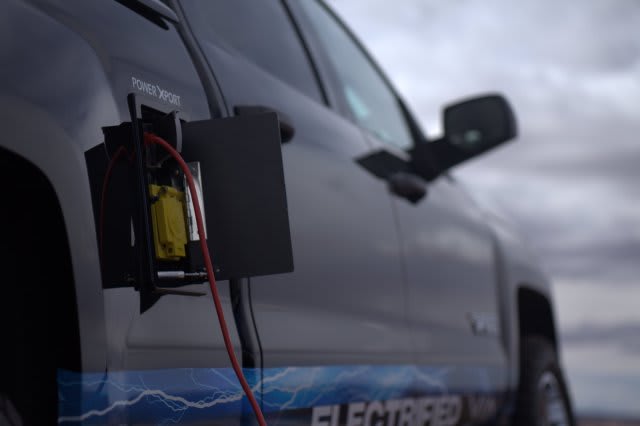
VIA TRUX (Photo: Via Motors)

VIA TRUX (Photo: Via Motors)
A new report from Navigant Research analyzes the global market for commercial vehicles that use electric drive technology, including global market forecasts for sales and the number of vehicles in use, segmented by country, drivetrain, and liquid fuel, through 2023.
Electric power for commercial vehicles has always been a challenge, because of the sheer size of the battery packs required to store and deliver enough energy to drive heavy vehicles over practical distances. As battery technology improves, though, electric-hybrid vehicles are now gaining traction in commercial applications where the technology offers significant benefits for drive cycles that involve a lot of city driving in stop-start traffic.
"Overall, we expect diesel hybrid drive to remain the most popular of the electrically assisted medium- and heavy-duty vehicle powertrains for the whole of the forecast period," says David Alexander, senior research analyst with Navigant Research. "Battery-electric commercial vehicles will also see growth in demand within urban fleets that average low daily mileage."
Global penetration of electric-drive trucks and buses is anticipated to remain low, according to the report, increasing from 0.4 percent in 2014 to 2.9 percent in 2023. The highest penetration levels will occur in regions with dense urban conglomerations where governments are taking steps to reduce emissions of greenhouse gases from city traffic. The highest sales penetration rate for a country is expected to be in Japan, where it is forecast to reach 21.2 percent by 2023.
The report, “Electric Drive Trucks and Buses,” analyzes the global market for commercial vehicles that use electric drive vehicle technology in three main segments: hybrid-electric vehicles (HEVs), plug-in hybrid electric vehicles (PHEVs), and battery-electric vehicles (BEVs). Forecasts for the two hybrid segments fueled partly by petroleum derivatives (PHEVs and HEVs) are broken out by region and by fuel: gasoline or diesel. Global market forecasts for sales and the number of vehicles in use, segmented by country, drivetrain, and liquid fuel, extend through 2023. An Executive Summary of the report is available for free download on the Navigant Research website.
More Green Fleet
Sustainability Partners, Energy Systems Group Help Albuquerque Close the Gap on its 100% Renewable Energy Goal
The eight-site, 6 MW solar project has advanced the city toward 100% renewable energy for municipal operations.
Read More →
Port Authority and CALSTART Launch $45 Million Electric Truck and Charging Programs
The programs aim to boost sustainable operations across the East Coast's busiest seaport.
Read More →
Moving Government Fleets Beyond the Vehicle Purchase: EV as a Service
A discussion on how EVaaS is moving beyond pilot programs and what fleets should consider before beginning a larger deployment.
Read More →
Moving Government Fleets Beyond the Vehicle Purchase: EV as a Service
As fleets move beyond small EV pilots, Sustainability Partners CEO Adam Cain explains how EVaaS can address the infrastructure and long-term planning required for larger deployments.
Read More →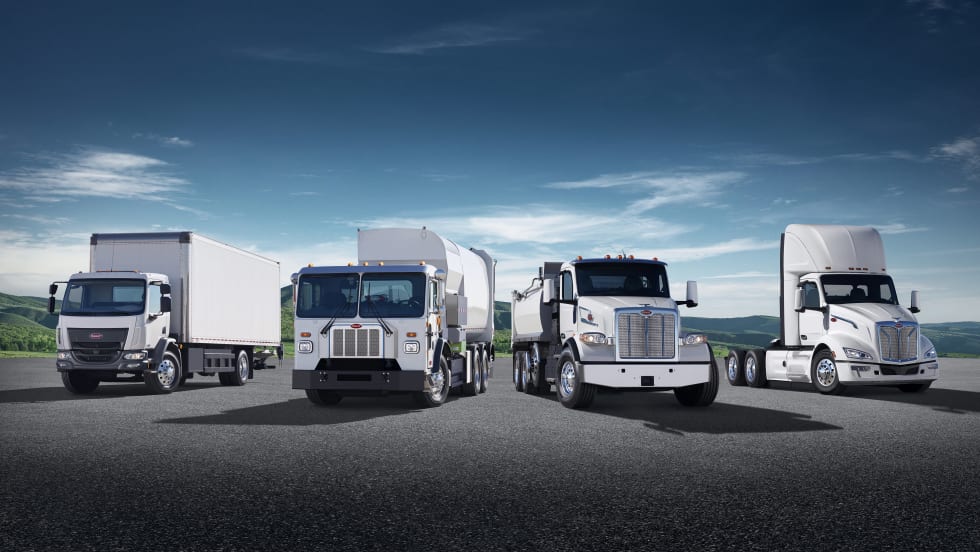
Peterbilt Expands Sourcewell Partnership with Electric Vehicle Lineup
The agreement aims to provide streamlined procurement of Peterbilt trucks for government, education, nonprofit and tribal organizations across the United States and Canada.
Read More →

EV Adoption & Charging Challenges
Where is your fleet in the journey of vehicle electrification? If you're still looking for answers to fleet electrification you've come to the right place.
Read More →
Hawaii Passes Clean Fuel Policy
Hawaii lawmakers passed clean fuel legislation that could support renewable natural gas production, biogas-powered transportation, and lower-carbon fueling options for public and commercial fleets.
Read More →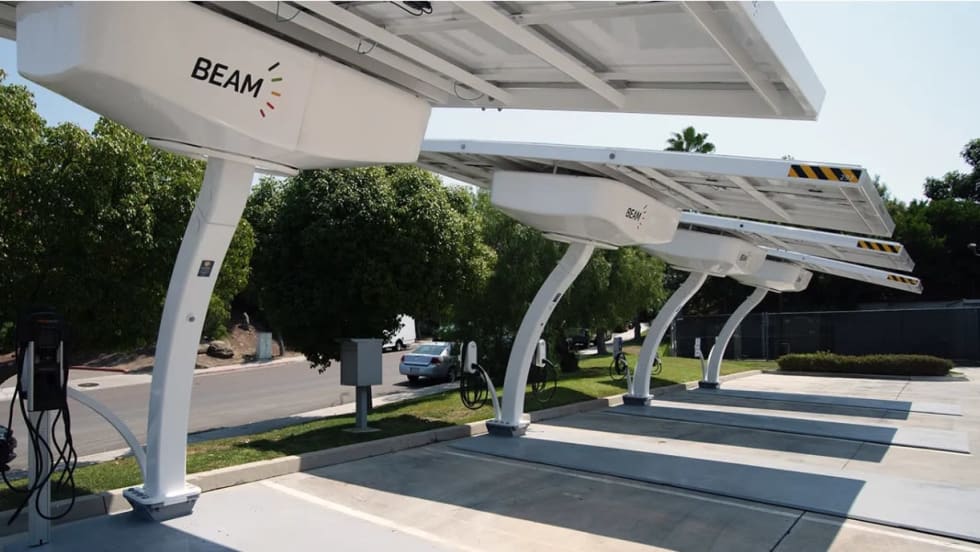
Stanislaus County Deploys Ten Beam Global EV ARC Systems to Support County Fleet Electrification
Stanislaus County deployed 10 off-grid solar-powered EV charging systems and a mobile charging trailer from Beam Global to support its electric fleet operations and emergency response flexibility.
Read More →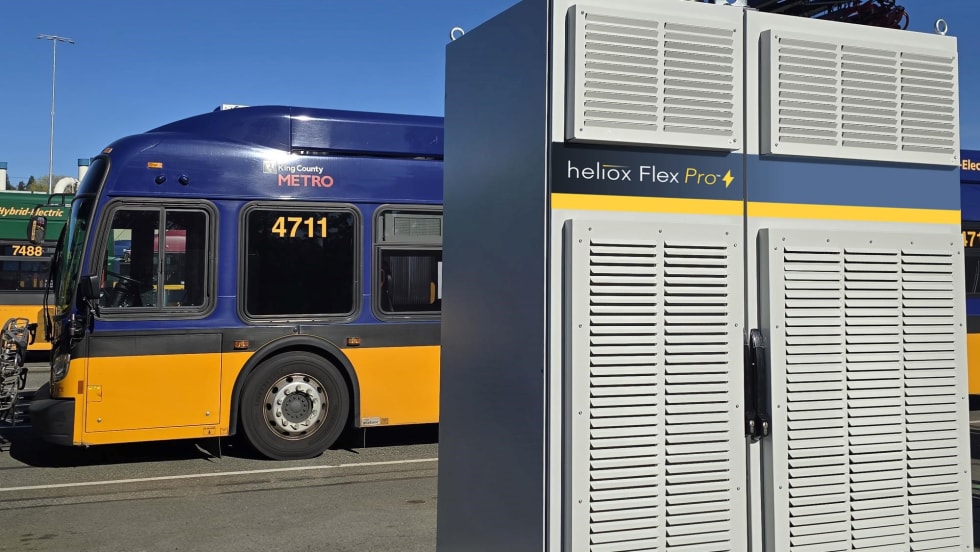
Heliox Pilots 480-kW Bus Charger with King County Metro
King County Metro is piloting Heliox’s new 480-kW Flex Pro charger to support expansion of its battery-electric bus fleet and depot charging infrastructure. The compact charging system supports pantograph and plug-in charging configurations for high-density transit operations.
Read More →