





Want More? Read EVs: Residual Values and the Total Cost of Ownership
DeSantis Vetoes Bill Promoting Electric Vehicles in Government Fleets
Senate Bill 284 would have directed officials when making decisions relating to the procurement and integration of electric vehicles.
June 30, 2023
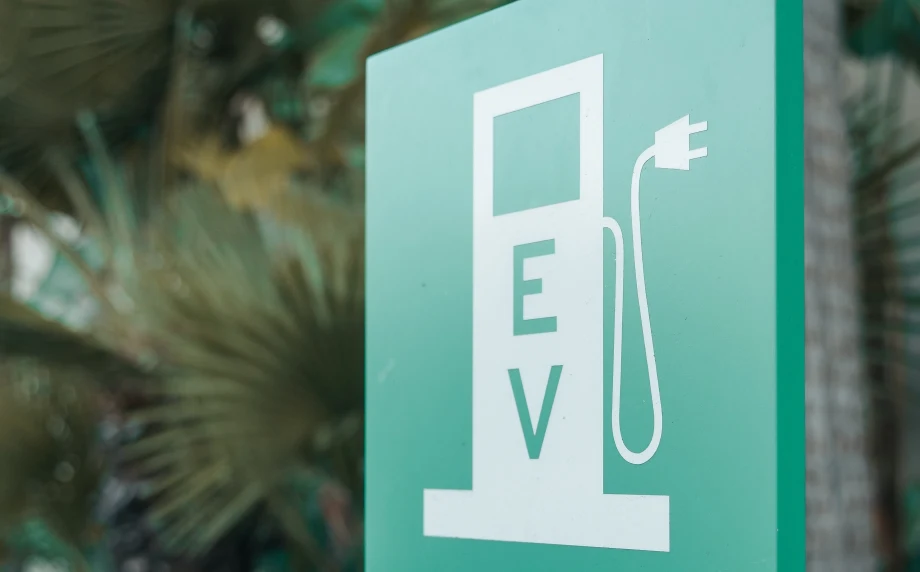
SB 284 aimed to guide decision-makers in purchasing government vehicles by considering the "lowest lifetime ownership costs."
Photo: Kindel Media
2 min to read
Florida Governor Ron DeSantis just said no to a bill aimed at incentivizing the government's purchase of electric vehicles (EVs) in the state.
Senate Bill 284 aimed to promote the adoption of EVs in state and local government fleets. The bill proposed financial assistance and streamlined procurement processes as incentives for the transition to EVs.
Based on a study conducted by Consumer Reports, EVs were found to have higher upfront costs but lower long-term expenses due to reduced maintenance and fuel costs.
The bill garnered bipartisan support in the Florida legislature and received overwhelming approval, with a vote of 115-1 in the House and 38-0 in the Senate. It successfully passed three Senate committees with unanimous votes, including the support of Senator Travis Hutson, who represents Flagler County, and House Speaker Paul Renner, also representing Flagler County, both of whom are Republicans.
SB 284 aimed to guide decision-makers in purchasing government vehicles by considering the "lowest lifetime ownership costs," which encompassed fuel and maintenance expenses. Additionally, the bill mandated the Department of Management Services to provide recommendations to state agencies regarding the procurement of electric vehicles, natural gas-fueled vehicles, and other renewable energy-powered vehicles. The legislation also encouraged the use of blended fuels like ethanol and biodiesel, as well as natural gas, when purchasing vehicles with internal combustion engines, excluding emergency vehicles.
Importantly, the bill did not entail any additional spending by the state or local governments. On the contrary, it aimed to generate economic opportunities within the private sector. However, despite its popularity and potential benefits, SB 284 was vetoed by the governor. Critics argue that the bill's wide support in the legislature demonstrated its positive economic impact and potential for fostering a greener environment in Florida by encouraging corporate investment in renewable vehicles.
This veto decision came despite a recent report suggesting that considering the total cost of ownership in vehicle procurement decisions, a practice already adopted by other states, could save Florida nearly $280 million.
More Green Fleet
Sustainability Partners, Energy Systems Group Help Albuquerque Close the Gap on its 100% Renewable Energy Goal
The eight-site, 6 MW solar project has advanced the city toward 100% renewable energy for municipal operations.
Read More →
Port Authority and CALSTART Launch $45 Million Electric Truck and Charging Programs
The programs aim to boost sustainable operations across the East Coast's busiest seaport.
Read More →
Moving Government Fleets Beyond the Vehicle Purchase: EV as a Service
A discussion on how EVaaS is moving beyond pilot programs and what fleets should consider before beginning a larger deployment.
Read More →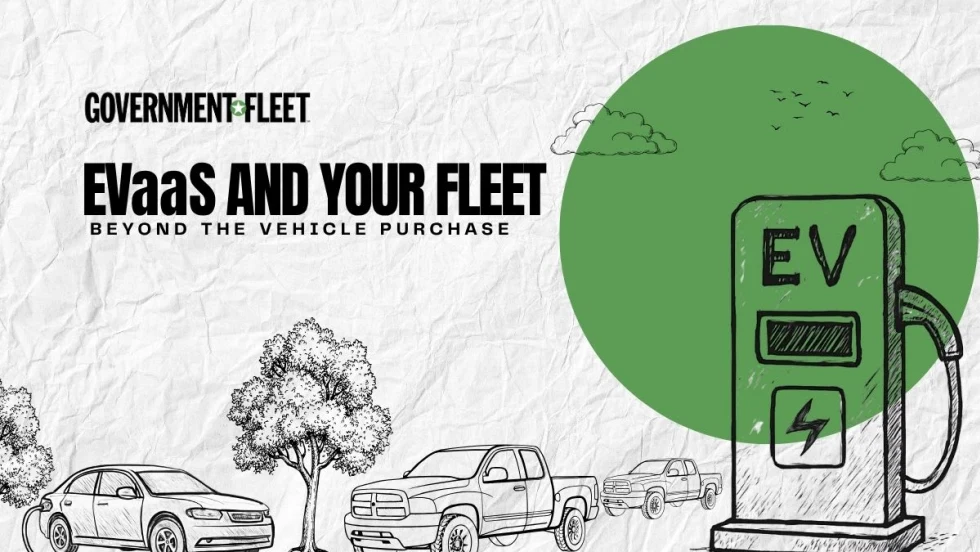
Moving Government Fleets Beyond the Vehicle Purchase: EV as a Service
As fleets move beyond small EV pilots, Sustainability Partners CEO Adam Cain explains how EVaaS can address the infrastructure and long-term planning required for larger deployments.
Read More →
Peterbilt Expands Sourcewell Partnership with Electric Vehicle Lineup
The agreement aims to provide streamlined procurement of Peterbilt trucks for government, education, nonprofit and tribal organizations across the United States and Canada.
Read More →
EV Adoption & Charging Challenges
Where is your fleet in the journey of vehicle electrification? If you're still looking for answers to fleet electrification you've come to the right place.
Read More →
Hawaii Passes Clean Fuel Policy
Hawaii lawmakers passed clean fuel legislation that could support renewable natural gas production, biogas-powered transportation, and lower-carbon fueling options for public and commercial fleets.
Read More →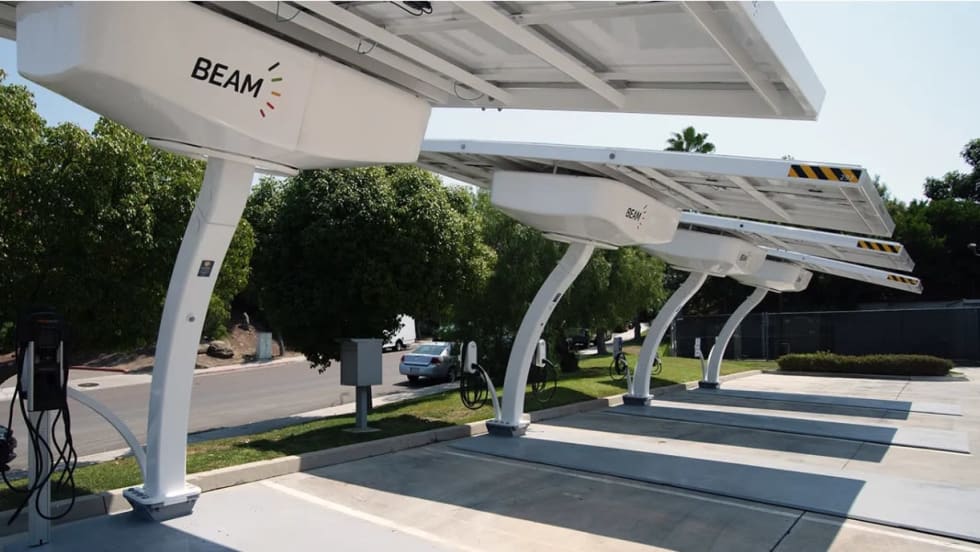
Stanislaus County Deploys Ten Beam Global EV ARC Systems to Support County Fleet Electrification
Stanislaus County deployed 10 off-grid solar-powered EV charging systems and a mobile charging trailer from Beam Global to support its electric fleet operations and emergency response flexibility.
Read More →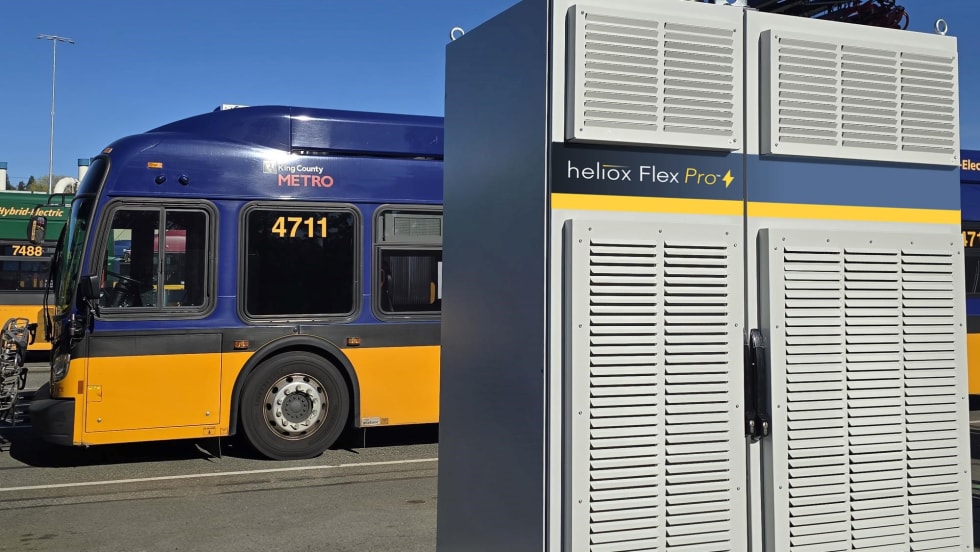
Heliox Pilots 480-kW Bus Charger with King County Metro
King County Metro is piloting Heliox’s new 480-kW Flex Pro charger to support expansion of its battery-electric bus fleet and depot charging infrastructure. The compact charging system supports pantograph and plug-in charging configurations for high-density transit operations.
Read More →