





Is Ford's Electric Mustang SUV a Game-Changing Patrol Vehicle Option?
Department of Homeland Security Debuts First EV
DHS is the first federal agency to debut a battery-electric vehicle fitted for performing law enforcement functions.
September 28, 2022
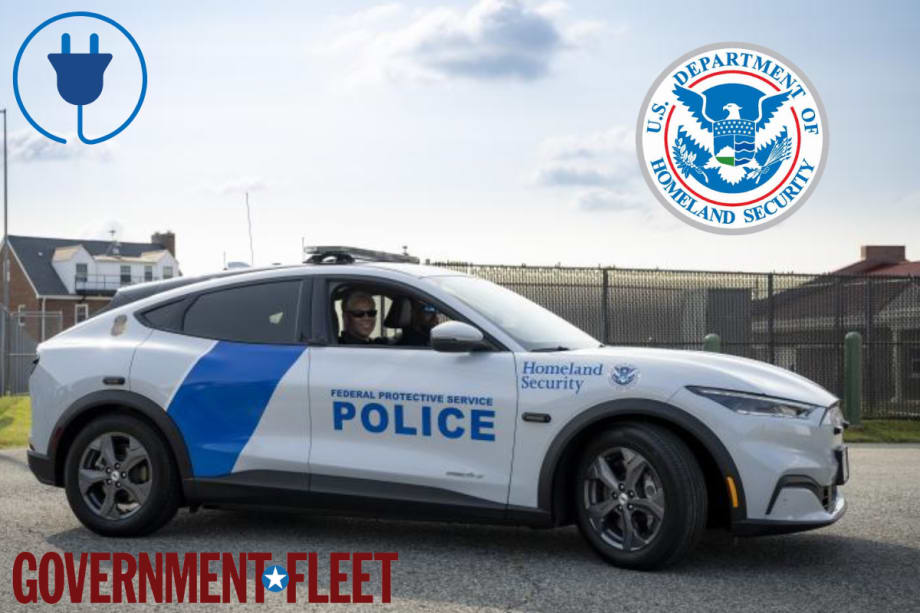
DHS's Mach-E is undergoing high-threshold testing to ensure it will meet the demands required of DHS law enforcement missions.The vehicle must be able to handle a variety of stresses including high speeds, maneuverability both on- and off-road, durability, endurance, and technical specifications.
Photo: Canva/Department of Homeland Security/Government Fleet
2 min to read
The Department of Homeland Security (DHS) rolled out its new Ford Mustang Mach-E at the Federal Law Enforcement Training Centers’ Office of Cheltenham Operation in Maryland. The vehicle is the first of a variety of electric vehicles (EVs) DHS plans to field across its varied law enforcement missions throughout the homeland, according to a press release.
DHS is the first federal agency to debut a battery-electric vehicle (BEV) fitted for performing law enforcement functions.
"DHS is leading the charge among federal agencies to transition its fleet vehicles from internal combustion engines to zero-emission electric vehicles," said Deputy Secretary of Homeland Security John Tien. "As the nation’s third largest federal agency and largest law enforcement agency, DHS has an inventory of more than 50,000 vehicles, with law enforcement vehicles making up 60% of its fleet."
“DHS is proactively seeking to reduce greenhouse gas emissions, EVs have the potential to significantly improve federal fleet efficiency and reduce vehicle operation and maintenance costs,” said Acting Under Secretary for Management R. D. “Tex" Alles.
Testing for DHS Tasks
In April 2022, DHS completed an upfit of the Mach-E as a law enforcement vehicle with lights and sirens in accordance with Federal Protective Service (FPS) standards. The Mach-E is undergoing high-threshold testing by FPS to ensure it will meet the demands required of DHS law enforcement missions. According to the agency, the vehicle must be able to handle a variety of stresses including high speeds, maneuverability both on- and off-road, durability, endurance, and technical specifications. FPS is conducting controlled performance benchmarking, which includes building on existing performance data, and an operational assessment of the vehicle through real-world employment by law enforcement officers during their daily routines. FPS is also conducting cybersecurity assessments of the vehicle that will inform DHS of potential threats, vulnerabilities, and risks associated with the introduction of EVs into the fleet.
Going Green at DHS
In September 2021, the DHS secretary approved a Climate Action Plan, which establishes a longer-range outlook that emphasizes sustainability, energy and water resilience, and fleet electrification.
Additionally, President Joe Biden signed an executive order directing the federal government to acquire 100% zero-emission vehicles across all of its fleets by 2035. The order also requires 100% zero-emission light-duty vehicle acquisitions by 2027 — among other commitments to achieve zero emissions by 2050.
More Green Fleet
Sustainability Partners, Energy Systems Group Help Albuquerque Close the Gap on its 100% Renewable Energy Goal
The eight-site, 6 MW solar project has advanced the city toward 100% renewable energy for municipal operations.
Read More →
Port Authority and CALSTART Launch $45 Million Electric Truck and Charging Programs
The programs aim to boost sustainable operations across the East Coast's busiest seaport.
Read More →
Moving Government Fleets Beyond the Vehicle Purchase: EV as a Service
A discussion on how EVaaS is moving beyond pilot programs and what fleets should consider before beginning a larger deployment.
Read More →
Moving Government Fleets Beyond the Vehicle Purchase: EV as a Service
As fleets move beyond small EV pilots, Sustainability Partners CEO Adam Cain explains how EVaaS can address the infrastructure and long-term planning required for larger deployments.
Read More →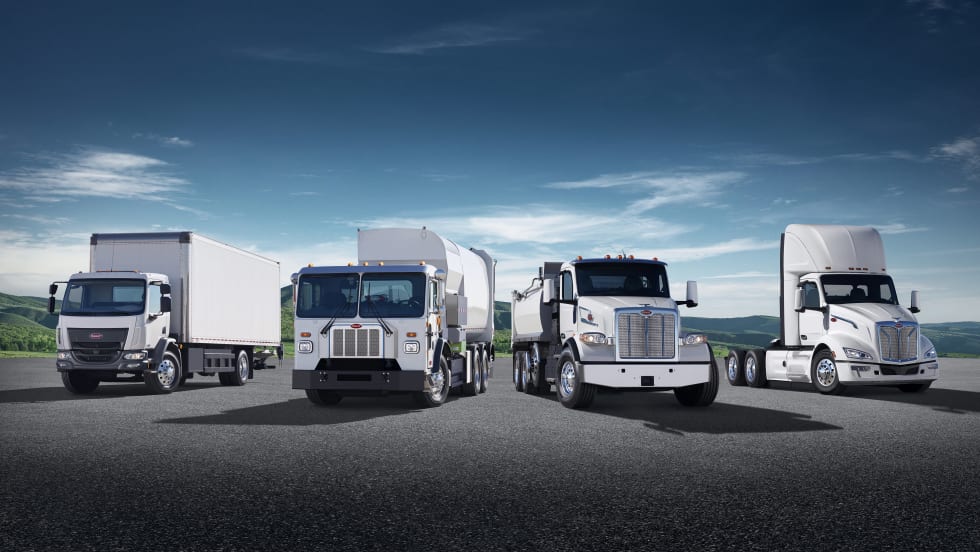
Peterbilt Expands Sourcewell Partnership with Electric Vehicle Lineup
The agreement aims to provide streamlined procurement of Peterbilt trucks for government, education, nonprofit and tribal organizations across the United States and Canada.
Read More →
EV Adoption & Charging Challenges
Where is your fleet in the journey of vehicle electrification? If you're still looking for answers to fleet electrification you've come to the right place.
Read More →
Hawaii Passes Clean Fuel Policy
Hawaii lawmakers passed clean fuel legislation that could support renewable natural gas production, biogas-powered transportation, and lower-carbon fueling options for public and commercial fleets.
Read More →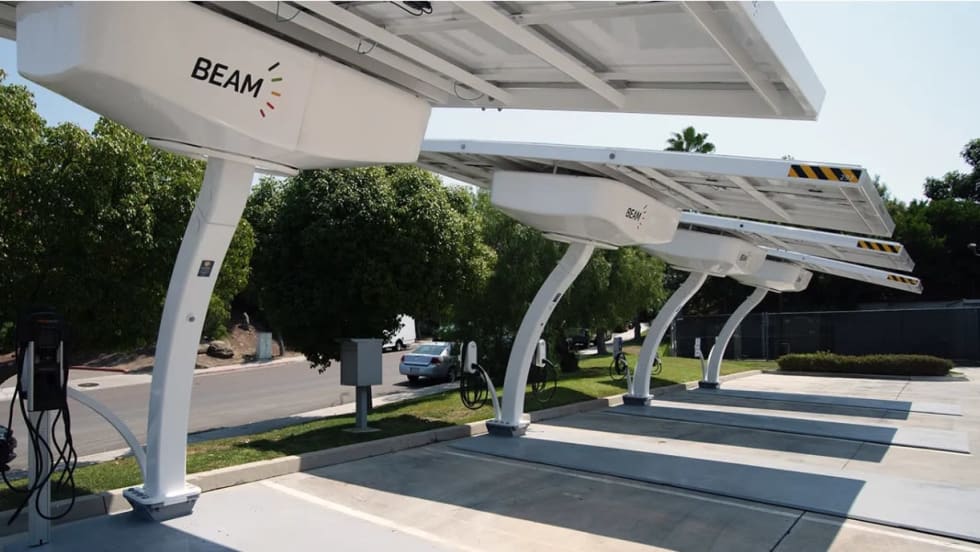
Stanislaus County Deploys Ten Beam Global EV ARC Systems to Support County Fleet Electrification
Stanislaus County deployed 10 off-grid solar-powered EV charging systems and a mobile charging trailer from Beam Global to support its electric fleet operations and emergency response flexibility.
Read More →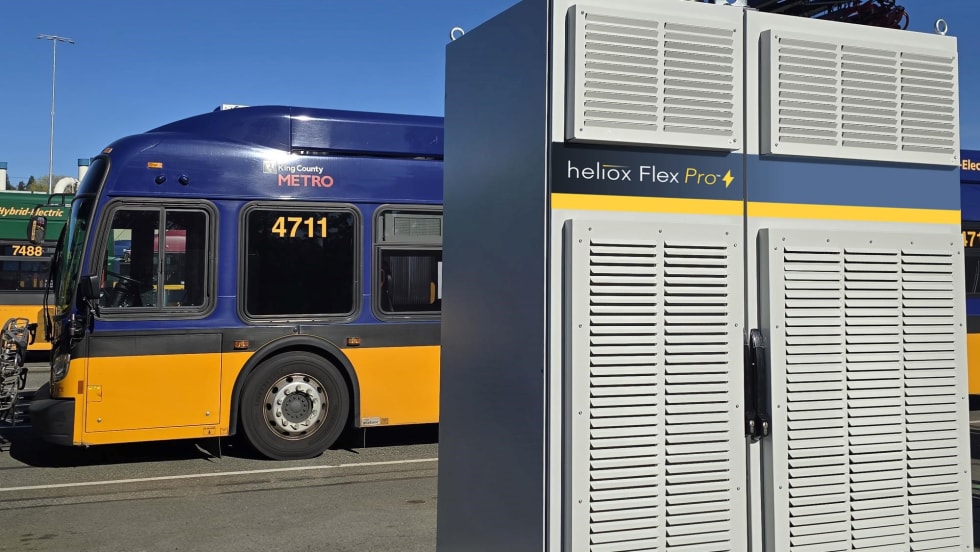
Heliox Pilots 480-kW Bus Charger with King County Metro
King County Metro is piloting Heliox’s new 480-kW Flex Pro charger to support expansion of its battery-electric bus fleet and depot charging infrastructure. The compact charging system supports pantograph and plug-in charging configurations for high-density transit operations.
Read More →