




Denver Airport Expands Telematics
Denver International Airport is expanding its use of telematics this year in an initiative that would double the number of units equipped with the technology.
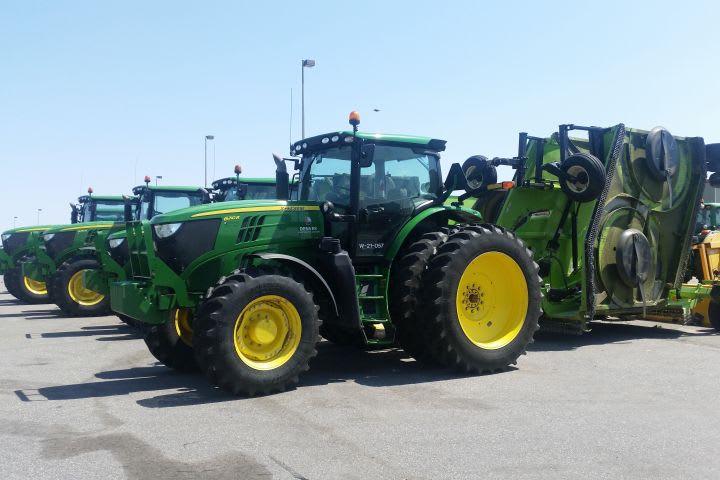
Photo courtesy of Denver International Airport.
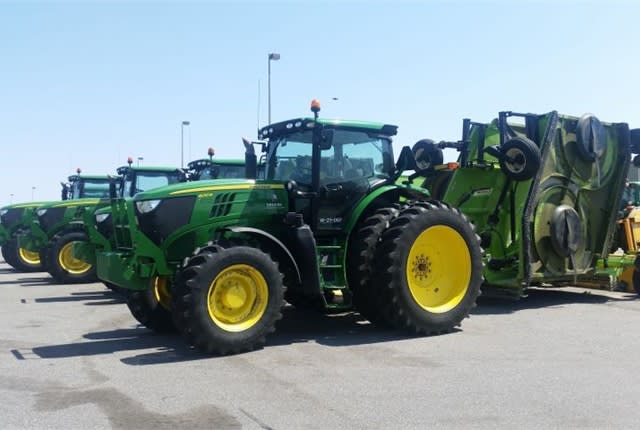
Photo courtesy of Denver International Airport.
Denver International Airport is expanding its use of telematics this year in an initiative that would double the number of units equipped with the technology, said Jeff Booton, the director of fleet management.
The fleet management unit will equip 325 highly utilized units of the 1,700 under management. Telematics systems have already been added to 397 units. The project had been partially funded through grant funding.
"We received grant money for that through our regional air council," Booton said. "They paid us about $78,000, which covered all of the installation costs and 80% of the hardware costs for that system, so that was a really good deal for us."
In addition to reducing emissions and fuel costs, Booton hopes that the system will help with route planning for its maintenance vehicles. Currently, the department's snow team is creating a geofence for its snow removal vehicles and plans to use the telematics data to determine the best route around the airport.
The telematics initiative is one of four major initiatives begun in 2015 to modernize and improve the efficiency of the fleet's management. The department also designed a maintenance workflow process, created customer specification agreements, and revamped its preventative maintenance program.
The airport is the sixth busiest airport in the country. It's owned by the City and County of Denver, and its Fleet Management Department includes 74 mechanics, analysts, administrative staff, and managers. The team manages the airport’s 950 vehicles and 750 other assets, including trailers and specialty equipment, and maintains the fire and police departments’ fleets. They’ve also spent the past year completely changing their system.
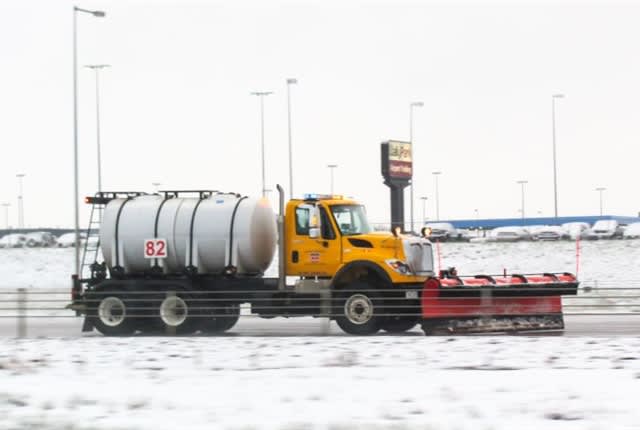
Photo courtesy of Denver International Airport.
The new maintenance workflow process stemmed from a legacy system that wasn't meeting the needs for fleet management. The department designed a physical and virtual workflow process to help manage the work coming in while keeping track of downtime, down for parts time, and other factors that affect operations.
In 2015, the department also created new customer specification agreements. The team now has sit-down meetings with all customers to discuss the customers’ specific needs.
“If they’re driving a Chevy Tahoe, we talk to them and say ‘can you use an Equinox?,’" Booton said. "It’s a little smaller, still gets the job done, and we were able to save around $60,000 last year just in right-sizing based on those user specification agreements.”
The department has also given their preventative maintenance program for snow fleet a complete overhaul. Booton says that the airport has one of the largest snow fleets around, with over 700 assets dedicated to snow. Fleet Management usually conducts preventative maintenance for its snow fleet over the summer, which takes long hours and high overtime costs. Looking at three years of the program, the team analyzed manpower and available hours and space to build a programmatic schedule.
Booton was a finalist at NAFA's Fleet Excellence Awards this year for outstanding achivement in public fleet management.
More Telematics

How Conversational AI Can Simplify Driver Workflows
Voice-guided technology is helping drivers complete vehicle inspections, accident reporting, and motor pool checkouts through conversations instead of forms.
Read More →
Connecticut Renews Fleet Telematics Agreement, Adds Automation Tools
Connecticut is expanding the use of automation within its fleet operations as part of a renewed telematics agreement. The new tools are designed to reduce manual reporting, streamline compliance tasks, and support management of the state's more than 3,600 vehicles.
Read More →
Tennessee DOT Selects Geotab as Fleet Telematics Provider
As state transportation agencies continue to expand their use of connected vehicle technologies, the Tennessee Department of Transportation is moving forward with a new telematics deployment. The initiative is expected to provide greater insight into fleet activity, asset utilization, and maintenance operations.
Read More →
City of Temple Enhances Fleet Operations with New Telematics Technology
The City of Temple is deploying a new Geotab telematics system across multiple municipal departments to improve fleet maintenance, safety monitoring and operational efficiency.
Read More →
3 Ways Fleet Tech Builds Public Trust
Managing a state or local fleet comes with levels of accountability private companies don’t have. Read how modern fleet technology helps elevate visibility and safety to strengthen community trust.
Read More →
Geotab Launches Next-Gen GO Devices to Strengthen Oversight and Data Security
Next-generation telematics platform promises stronger diagnostics, asset tracking, and actionable insights.
Read More →
Ford Pro Telematics Introduces In-App Asset Tracking
Ford Pro Telematics expands its abilities.
Read More →
Distracted Driving and Samsara AI Safety
The U.S. public sector continues to use AI technology to combat the dangers of distracted driving.
Read More →
Teletrac Navman’s TN360 Now Connects with Factory-Fitted Telematics for Easier Fleet Oversight
Agencies can now tap into factory-installed vehicle data within TN360 without taking vehicles out of service for hardware installs.
Read More →
Element, Samsara Partner to Launch Comprehensive Fleet and Operations Management Offering
This joint offering streamlines procurement and onboarding for shared customers to deliver greater safety and efficiency for fleets.
Read More →