




Debate Over County Police Cars vs. Subsidized Personal Vehicles for Law Enforcement
HILO, HAWAII — An advisory panel has found that Hawaii County would save $169,485 if police were to switch from unmarked subsidized personal vehicles to a fleet of county-owned marked patrol cars.
HILO, HAWAII — An advisory panel has found that Hawaii County would save $169,485 if police were to switch from unmarked subsidized personal vehicles to a fleet of county-owned marked patrol cars, according to the Associated Press. The county currently pays each officer up to $587 per month to drive his or her own car. Big Island police officers are currently responsible for buying their own patrol vehicle, maintaining it, and insuring it. According to the Police Fleet Implementation Working Group’s draft report, buying 293 specially equipped patrol cars would cost $111 more per car per year. However, the county would save $2,658 a year on each of the 76 non-patrol cars through fleet ownership, the report said. However, Police Chief Lawrence Mahuna does not agree with the findings and said that the panel ignored costs associated with fleet ownership, overstated how long the vehicles would last and overlooked the need for a reserve fleet, according to the Associated Press. Mahuna also said that switching to a patrol car fleet would remove an incentive to apply to the department and hurt recruitment efforts. The county owns just 37 of 376 vehicles used by the police department, and pays for liability insurance, one gallon of fuel for every 10 miles of driving on duty and a quart of motor oil for every 500 miles driven.
More Operations
The Network Behind Better Government Fleet Decisions
A discussion on why relationships across the government fleet community have played such an important role and what shapes the leadership response.
Read More →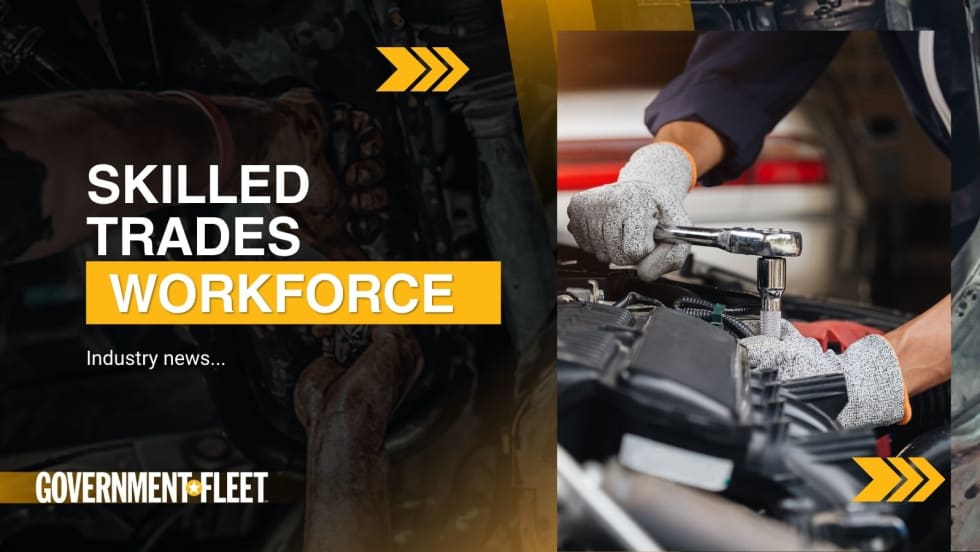
Ford, BlackRock, Google and Carhartt Form Skilled Trades Workforce Alliance
The alliance plans to develop a stronger pipeline between training programs and available jobs while examining workforce efforts already underway across the country.
Read More →
The Network Behind Better Government Fleet Decisions
A discussion on why relationships across the government fleet community have played such an important role and what shapes the leadership response.
Read More →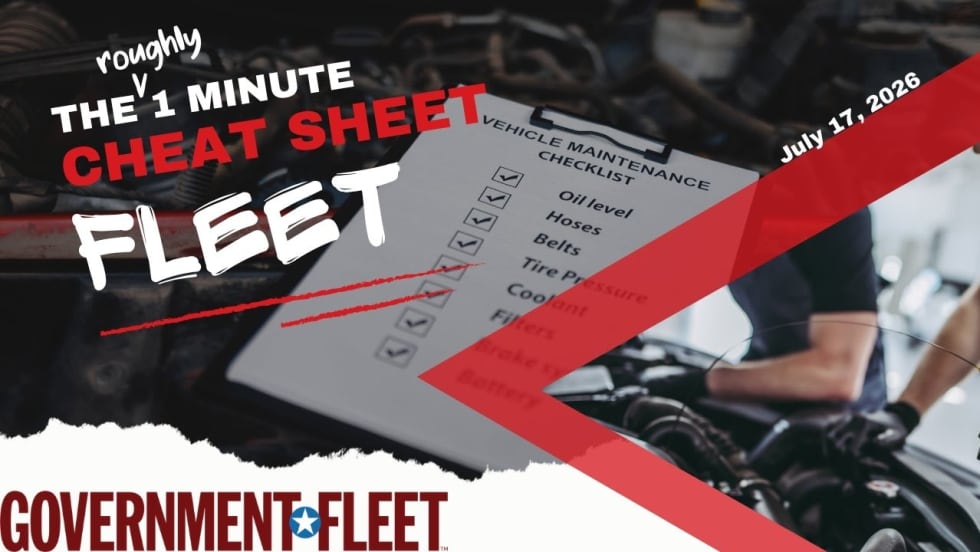
What Makes Fleet Technicians Stay? | GovCast Cheat Sheet
The technician hiring and retention discussion is not new, but the way fleets respond to it continues to matter.
Read More →
On the Road with Government Fleet: Essential Podcasts for Professionals
Let's celebrate listening! Check out a GovCast podcast and discover the insights and strategies that can transform your fleet management approach.
Read More →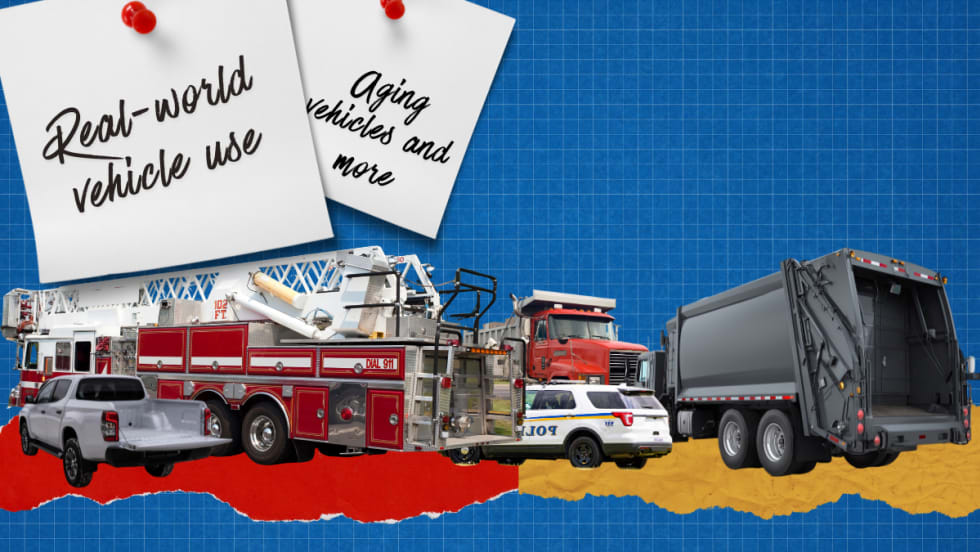
How Real-World Vehicle Use Guides Replacement And Budgets
Three public fleet leaders explain how they use real-world vehicle data and long-term planning to keep aging assets in service and make more informed replacement and budgeting decisions in a high-cost environment.
Read More →
When Fleet Data Has to Actually Mean Something | GovCast Cheat Sheet
Better fleet technology only works when the information behind it can actually support decisions.
Read More →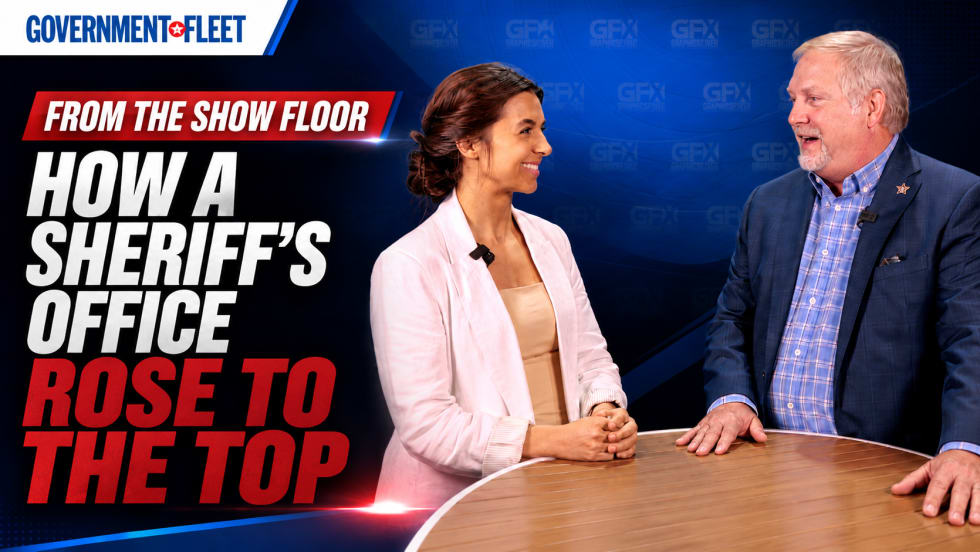
Why Public Fleet Success Depends on More Than the Vehicles | From the Show Floor with Tim Coxwell
Fleet decisions rarely stay inside the garage. From funding pressure to emissions planning, Tim Coxwell explains what it takes to keep a sheriff’s office fleet moving while planning for what comes next.
Read More →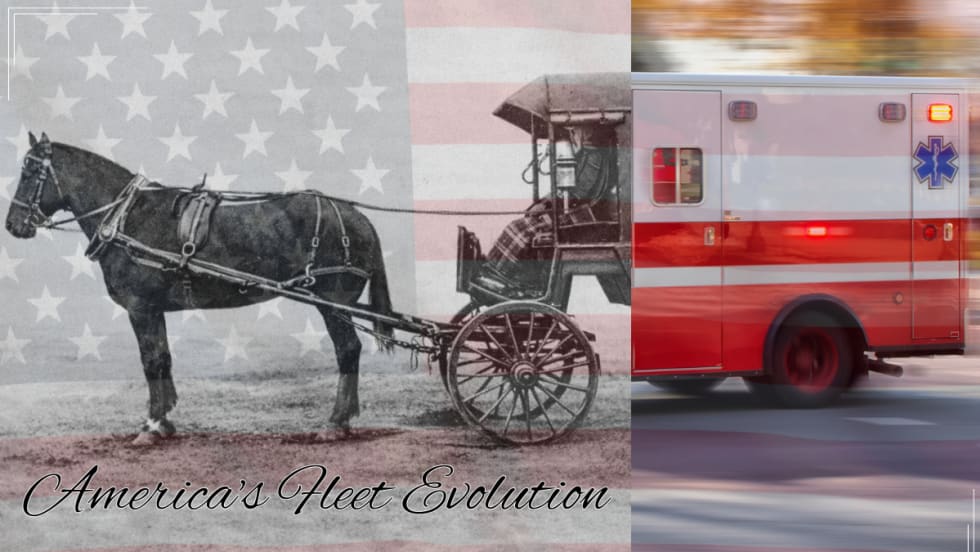
How Government Fleets Helped Build America
As the United States celebrates its 250th anniversary, this look back explores how government fleets evolved from horse-drawn wagons to specialized vehicles that keep communities running today.
Read More →