




Court of Appeals Rejects Florida Police Class Action Against Ford Motor Co.
TALLAHASSEE, FL – An appellate court on has reversed a trial judge's ruling that would have expanded a Florida Panhandle sheriff's lawsuit over the safety of Ford patrol cars to include police agencies throughout the state, according to the Associated Press.
TALLAHASSEE, FL – An appellate court on has reversed a trial judge's ruling that would have expanded a Florida Panhandle sheriff's lawsuit over the safety of Ford patrol cars to include police agencies throughout the state, according to the Associated Press. A three-judge panel of the 1st District Court of Appeal unanimously decertified the case as a class action, ruling Circuit Judge G. Robert Barron failed to make findings of fact as required by procedural rules. "Absent specific findings, we cannot discern whether the trial court applied the correct analysis when making its decision," the panel wrote, according to the report by the Associated Press. According to the Associated Press, Okaloosa County Sheriff Charlie Morris contends Crown Victoria Police Interceptors made by Ford Motor Co. are unsafe because several of the cars have exploded in flames when hit from behind. It is among a series of similar lawsuits across the nation. Ford contends the car is safe, earning the federal government's highest crash rating. A Ford lawyer, in a news release from company headquarters in Dearborn, Mich., hailed the ruling as a victory that will allow continued sales to Florida police departments. According to the Associated Press, despite the lawsuit, Morris tried to buy more cars from Ford, but the company has refused to sell to his department since July 2003, a year after he sued. Barron rejected a request by Morris to force Ford to sell cars to him. A class-action police case went to trial in Illinois last fall, but the jury ruled in Ford's favor. A Missouri jury last week also exonerated Ford in the 2003 death of a state trooper whose Crown Victoria was struck from behind and caught fire.
More Operations
What Can Disappear After a Fleet Crash?
This week, we look at drone footage, what fleets should document before repairs begin, and share a quick poll.
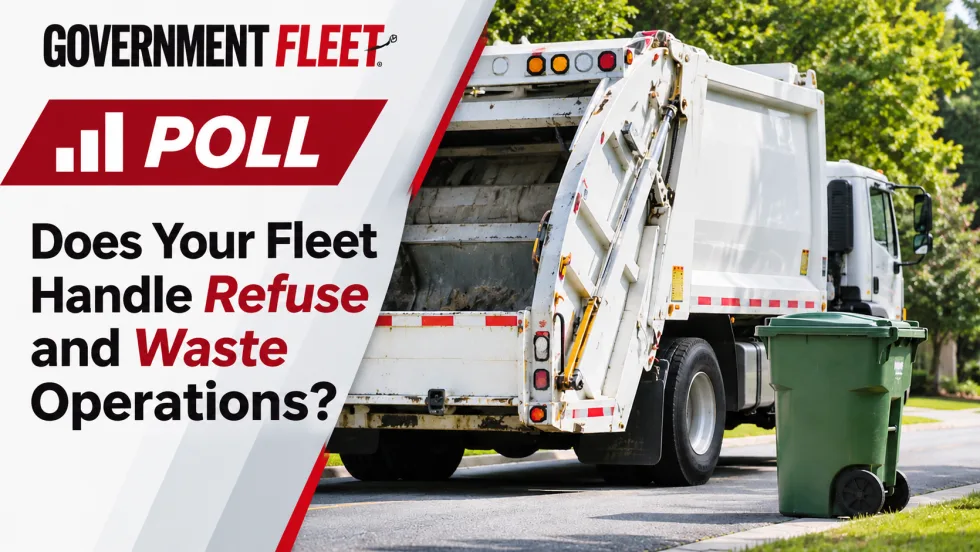
Does Your Government Fleet Handle Refuse and Waste Operations? Take Our Poll
Government Fleet wants to hear from public-sector fleet professionals about their responsibilities for refuse collection and waste management equipment.
Fleet Replacement Decisions, Waste Fleet Technology and the GFX Deadline
Is your next vehicle the right fit, can your records settle a missed pickup dispute, and what could your fleet teach others at GFX 2027?
Is Delaying Fleet Replacement Really Saving Money?
Could delaying replacement cost your fleet more than it saves? This week’s recap takes a closer look, plus an update on GFX 2027.

What Government Fleets Are Missing About Their True Costs
What are fleet budgets missing, and how can agencies use the data they already collect to make a stronger case for change?
Rethinking Fleet Decisions From the Budget Office to the Shop
This October we looked back at how public fleets are reconsidering familiar processes and using what they learn to make better decisions.
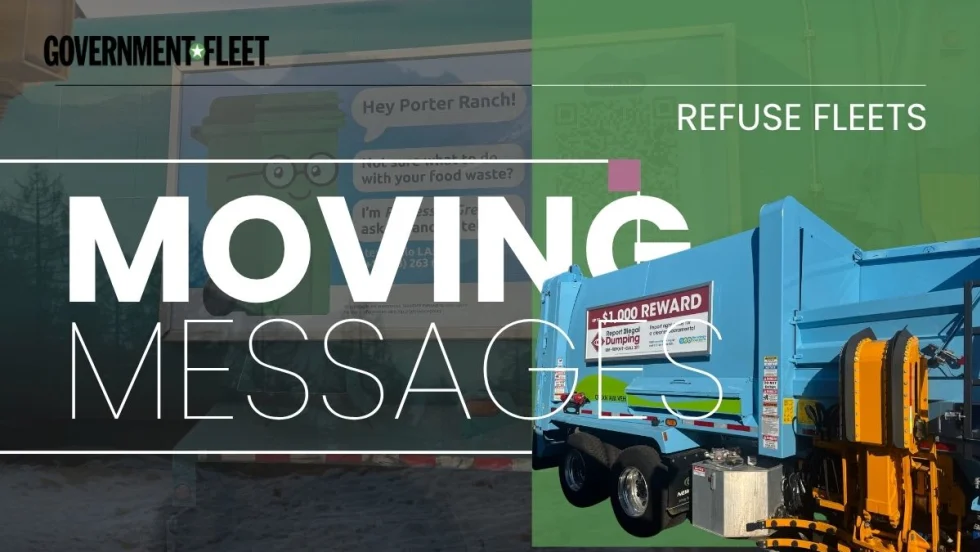
Who Owns the Message on a Refuse Truck?
Refuse trucks can carry public messages into neighborhoods, but keeping those messages current takes planning and clear responsibility.
Who Deserves Fleet Recognition and What Could You Teach at GFX?
Who helped shape your fleet career, and what have you learned that could help someone else?

What’s Haunting Public Sector Fleets?
Public sector fleet challenges rarely happen in isolation, and addressing one often means understanding how it connects to another.

Is Keeping Older Fleet Vehicles Really Saving Money?
Is keeping vehicles longer saving money, and what happens when a diagnostic test points to the wrong fix?