




Connecticut Awards $360K to Municipalities for New Diesel Vehicle Purchases
Connecticut’s Department of Energy and Environmental Protection (DEEP) announced grants of $360,000 to seven Connecticut municipalities that will use the funds to replace older diesel trucks with new vehicles that burn fuel cleaner and more efficiently.
Connecticut’s Department of Energy and Environmental Protection (DEEP) announced grants of $360,000 to seven Connecticut municipalities that will use the funds to replace older diesel trucks with new vehicles that burn fuel cleaner and more efficiently. The pollution controls on these vehicles are expected to help Connecticut achieve its clean air goals. The funds are from a settlement of a case involving environmental violations with American Electric Power Service Corporation, Columbus, Ohio and are required to be used to reduce diesel emissions in heavy traffic areas in environmental justice communities, according to a release from the State.
The seven grant recipients are:
Recipient | Grant Amount | Type of Vehicle |
City of Stamford | $83,466.75 | Refuse Collection Vehicle |
Town of Wethersfield | $50,688.50 | Maintenance/Snow Plowing Truck |
Borough of Naugatuck | $50,000.00 | Maintenance/Snow Plowing Truck |
City of Waterbury | $46,643.00 | Refuse Collection/Snow Plowing Truck |
Town of Plainville | $45,000.00 | Maintenance/Snow Plowing Truck |
Town of Enfield | $43,000.00 | Maintenance/Snow Plowing Truck |
City of Middletown | $41,201.75 | Construction/Snow Plowing Truck |
Environmental justice communities are neighborhoods in which residents are subjected to unusually high levels of pollution from factories, power plants, highways, or other sources. Residents of such communities receive special protection because they often lack the economic means to decrease their exposure to pollution. In Connecticut, environmental justice communities include the Connecticut Department of Economic and Community Development (DECD) list of distressed municipalities, as well as defined census block groups with 30% of their population living below 200% of the federal poverty level.
DEEP’s program for reducing diesel pollution was set out in the Connecticut Clean Diesel Plan. Initial clean diesel efforts prioritized the installation of emission controls on school buses because of health risks posed to children by diesel exhaust. A variety of funding sources were leveraged to reduce children’s exposure to fine particulate matter in diesel exhaust. With increased funding available from the federal Diesel Emission Reduction Act (DERA), DEEP has broadened the scope of its efforts by encouraging the installation of emission controls on trucks and construction equipment, replacing aging diesel trucks and engines, upgrading engines to meet current emission standards and reducing idling.
More Green Fleet
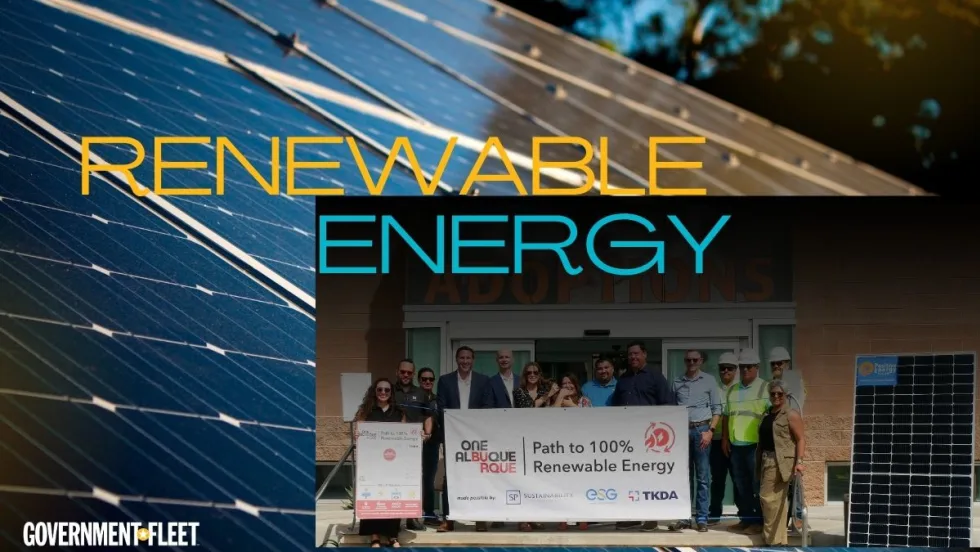
Sustainability Partners, Energy Systems Group Help Albuquerque Close the Gap on its 100% Renewable Energy Goal
The eight-site, 6 MW solar project has advanced the city toward 100% renewable energy for municipal operations.
Read More →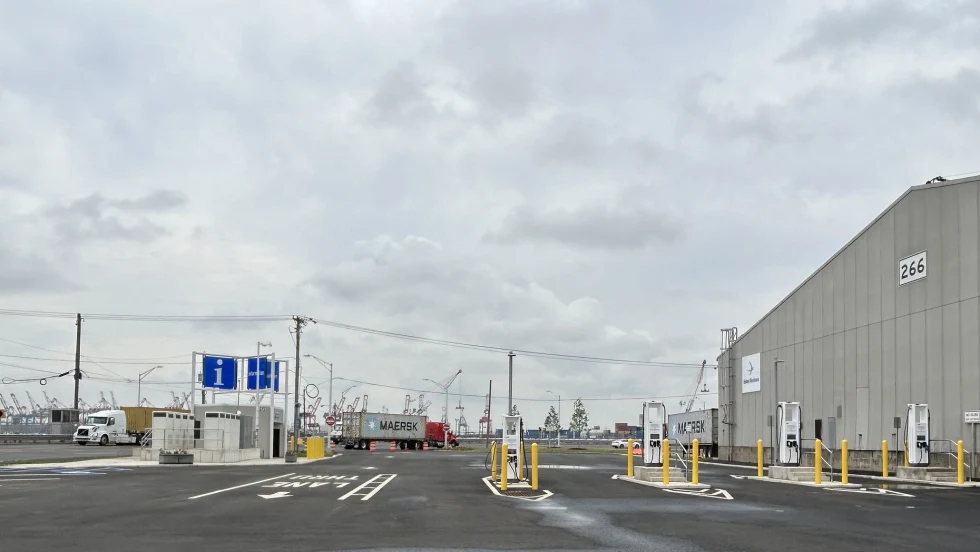
Port Authority and CALSTART Launch $45 Million Electric Truck and Charging Programs
The programs aim to boost sustainable operations across the East Coast's busiest seaport.
Read More →
Moving Government Fleets Beyond the Vehicle Purchase: EV as a Service
A discussion on how EVaaS is moving beyond pilot programs and what fleets should consider before beginning a larger deployment.
Read More →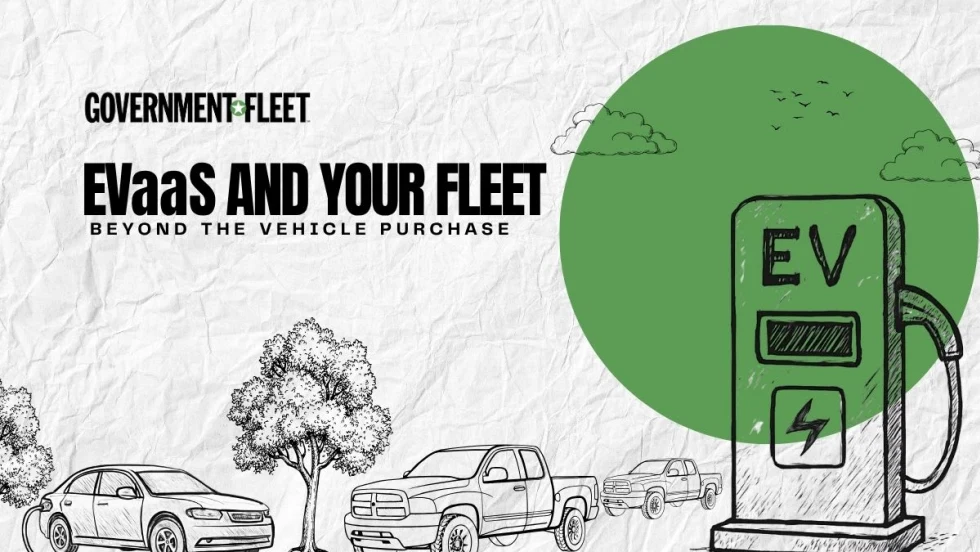
Moving Government Fleets Beyond the Vehicle Purchase: EV as a Service
As fleets move beyond small EV pilots, Sustainability Partners CEO Adam Cain explains how EVaaS can address the infrastructure and long-term planning required for larger deployments.
Read More →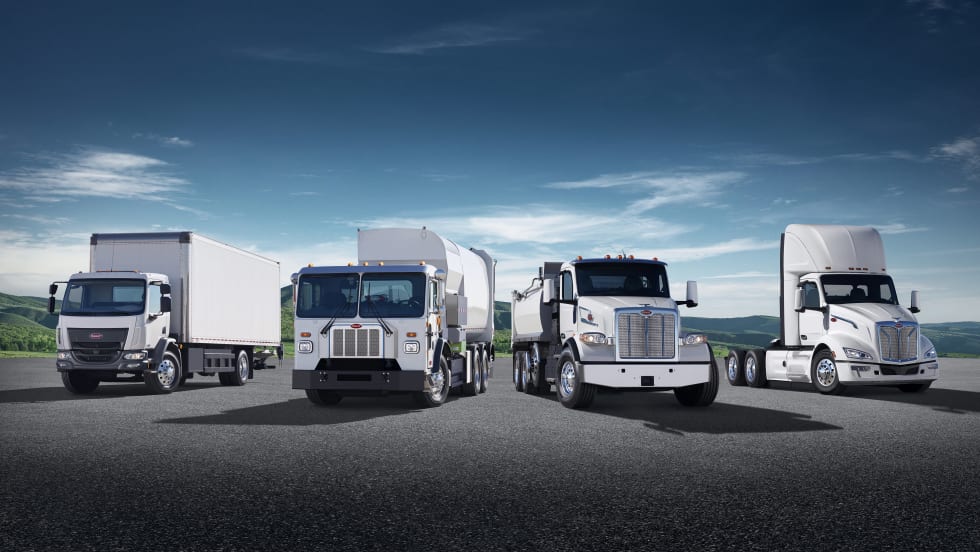
Peterbilt Expands Sourcewell Partnership with Electric Vehicle Lineup
The agreement aims to provide streamlined procurement of Peterbilt trucks for government, education, nonprofit and tribal organizations across the United States and Canada.
Read More →
EV Adoption & Charging Challenges
Where is your fleet in the journey of vehicle electrification? If you're still looking for answers to fleet electrification you've come to the right place.
Read More →
Hawaii Passes Clean Fuel Policy
Hawaii lawmakers passed clean fuel legislation that could support renewable natural gas production, biogas-powered transportation, and lower-carbon fueling options for public and commercial fleets.
Read More →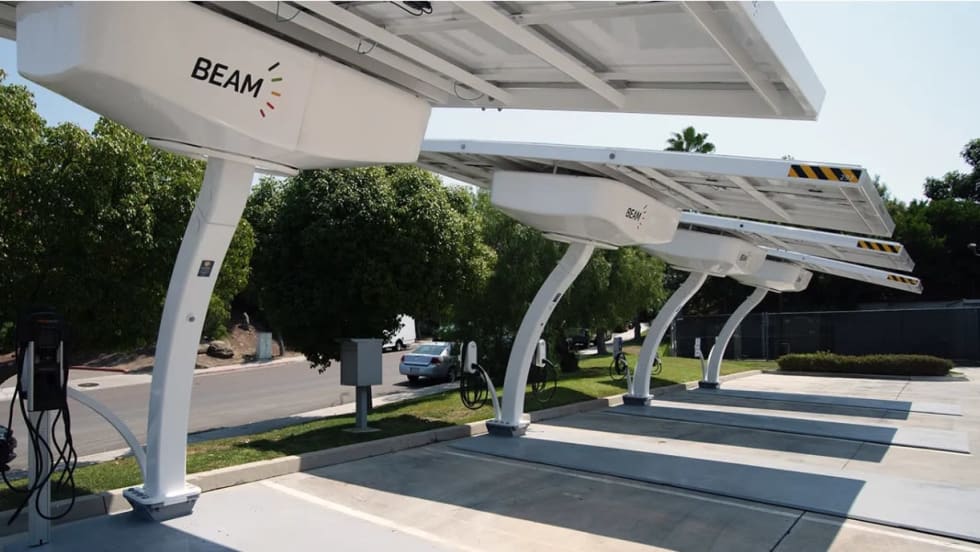
Stanislaus County Deploys Ten Beam Global EV ARC Systems to Support County Fleet Electrification
Stanislaus County deployed 10 off-grid solar-powered EV charging systems and a mobile charging trailer from Beam Global to support its electric fleet operations and emergency response flexibility.
Read More →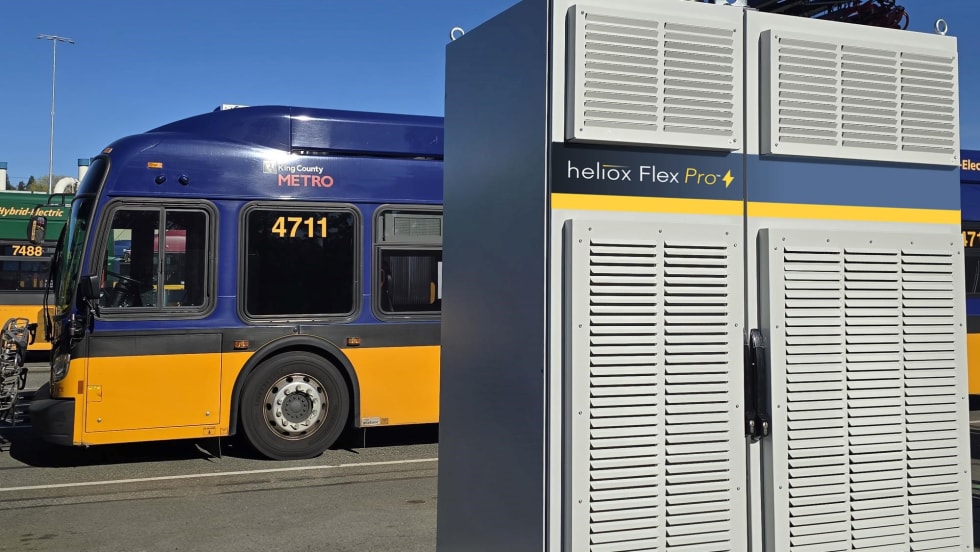
Heliox Pilots 480-kW Bus Charger with King County Metro
King County Metro is piloting Heliox’s new 480-kW Flex Pro charger to support expansion of its battery-electric bus fleet and depot charging infrastructure. The compact charging system supports pantograph and plug-in charging configurations for high-density transit operations.
Read More →