




City of Rochester Mayor Seeks to Decrease Number of Take-Home Vehicles
ROCHESTER, NY – Having already eliminated more than 30 take-home cars, the City of Rochester now is looking at 80 more — a move that would hit the police department hardest.
ROCHESTER, NY– Having already eliminated more than 30 take-home cars, the City of Rochester now is looking at 80 more — a move that would hit the police department hardest, taking back cars assigned to undercover officers, homicide detectives and others, according to www.DemocratandChronicle.com.
These vehicles are provided around the clock at taxpayers’ expense, intended for those who can be called out at any time, whether to a crime scene or a water main break. Government officials argue that the take-home cars are necessary. But some of them arguably are perks, built up over the years and cemented by tradition or labor contracts.
Mayor Robert Duffy began reducing the city fleet last year to cut costs. He rescinded six take-home cars and focused more on pool vehicles, but he left police alone. This year, however, with labor negotiations under way with police and fire, the focus is on take-home vehicles. Duffy wants to cut the take-home fleet by 73 percent citywide, from 153 to 41.
Thirteen take-home city vehicles recalled this year are being sold at auction, promising a $290,000 annual savings in capital and operating costs, the report said. The remaining 80 vehicles that might be recalled across all departments are tied up in labor contracts.
Police stand to lose 68 of 90 take-home vehicles. The city so far has cut seven from the 700-plus officer force. In addition, but separate from these cuts, the city has cancelled 20 police take-home cars, largely as vacancies occurred.
"I keep going back to fuel consumption and maintenance costs," Moore said. "And I do think we need to find a way to cut back, and this is one area where we can cut back and find some savings for the city."
One option is to have an on-call car for major crimes, officials said, but that also would need to be negotiated.
More Operations

How Dakota County Built a More Structured Fleet Operation
Kevin Schlangen shares how Dakota County’s fleet moved from reactive repairs and limited oversight to a more structured approach built around planning, training, and long-term cost control.
Read More →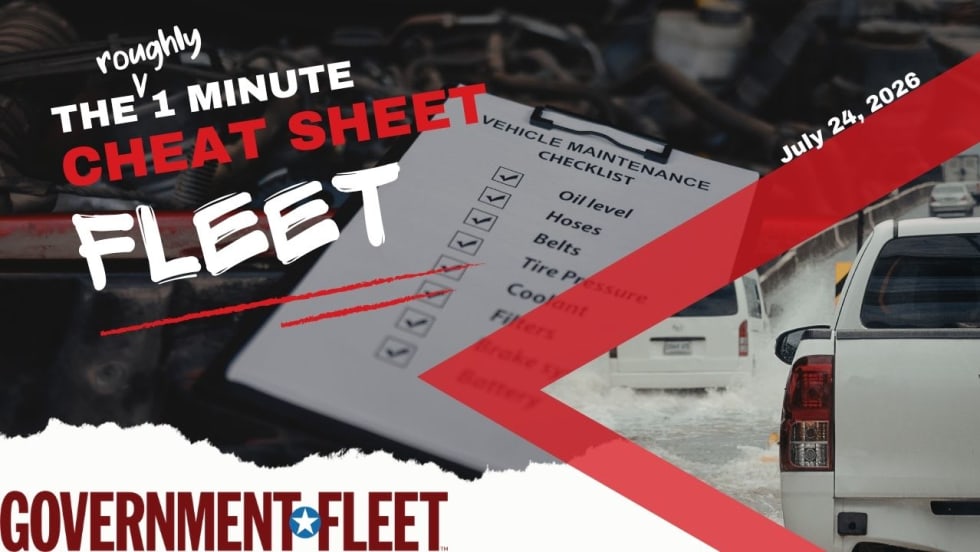
Is Your Fleet Ready Before the Storm Hits? | GovCast Cheat Sheet
Could better preparation before a storm and new vehicle technology help fleets recover faster while improving safety?
Read More →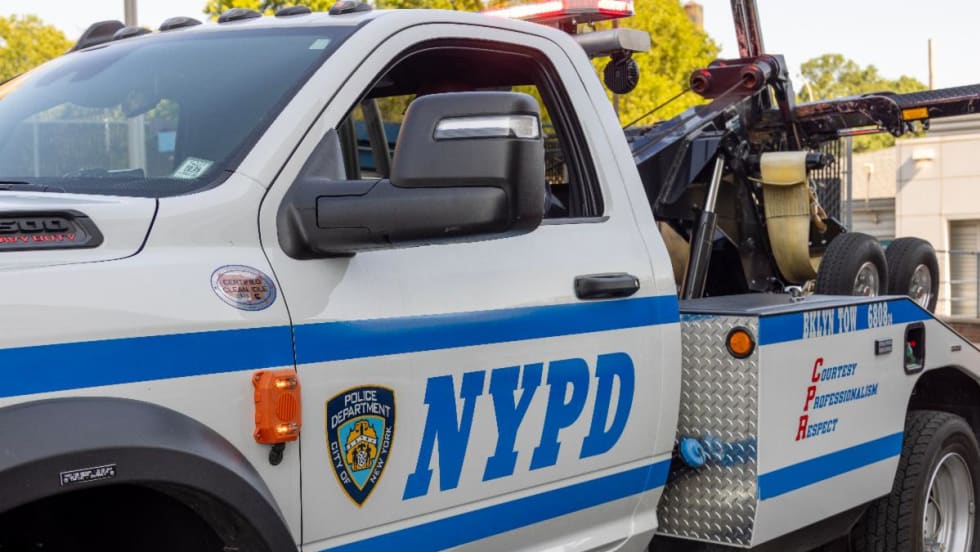
New York City Orders Safety Technology for Municipal Fleet
New York City is expanding the use of pedestrian alerts and intelligent speed assistance across its non-emergency fleet. The executive order establishes new technology requirements for future vehicle purchases while accelerating retrofits on thousands of existing municipal trucks.
Read More →
The Network Behind Better Government Fleet Decisions
A discussion on why relationships across the government fleet community have played such an important role and what shapes the leadership response.
Read More →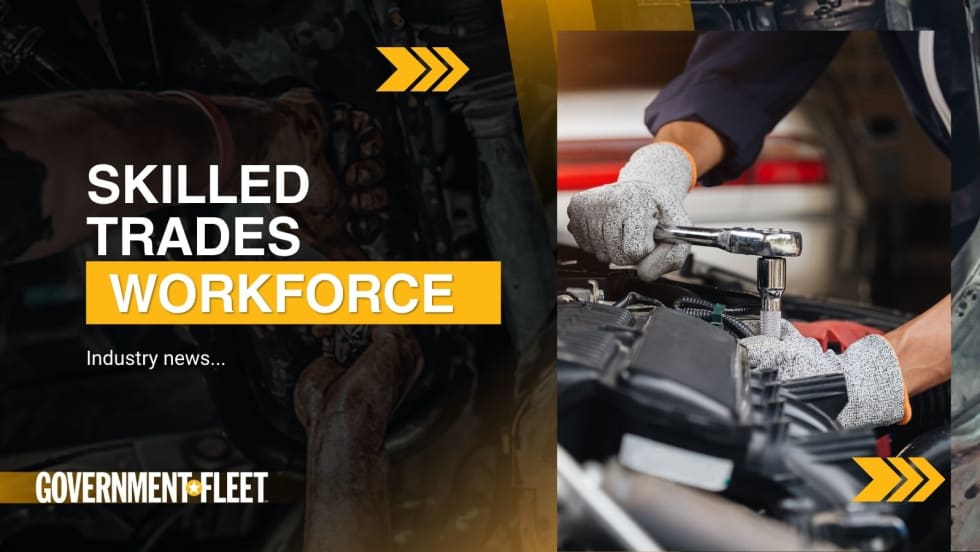
Ford, BlackRock, Google and Carhartt Form Skilled Trades Workforce Alliance
The alliance plans to develop a stronger pipeline between training programs and available jobs while examining workforce efforts already underway across the country.
Read More →
The Network Behind Better Government Fleet Decisions
A discussion on why relationships across the government fleet community have played such an important role and what shapes the leadership response.
Read More →
What Makes Fleet Technicians Stay? | GovCast Cheat Sheet
The technician hiring and retention discussion is not new, but the way fleets respond to it continues to matter.
Read More →
On the Road with Government Fleet: Essential Podcasts for Professionals
Let's celebrate listening! Check out a GovCast podcast and discover the insights and strategies that can transform your fleet management approach.
Read More →
How Real-World Vehicle Use Guides Replacement And Budgets
Three public fleet leaders explain how they use real-world vehicle data and long-term planning to keep aging assets in service and make more informed replacement and budgeting decisions in a high-cost environment.
Read More →