




City of Miami to Save 19K Gallons of Diesel Annually with Hybrid Refuse Trucks
The City of Miami’s purchase of four hybrid refuse trucks is expected to result in significant fuel savings – the trucks consume on average 51% less diesel fuel than a non-hybrid truck.
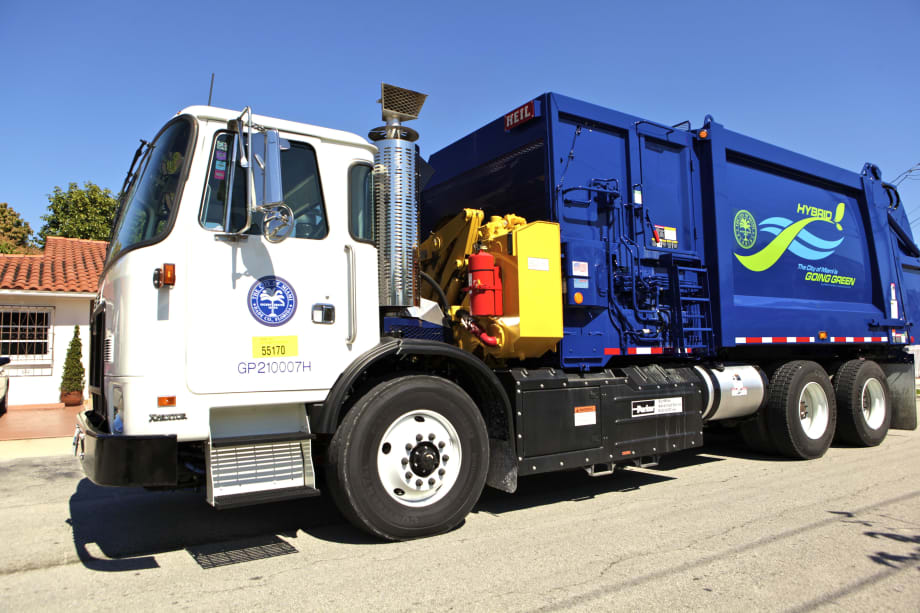
The City of Miami’s purchase of four hybrid refuse trucks is expected to result in significant fuel savings – the trucks consume on average 51% less diesel fuel than a non-hybrid truck. By using Autocar refuse trucks equipped with Parker Hannifin’s RunWise Advanced Series Hybrid Drive System, the City is seeing a 400-gallon savings per month, per truck. Spread among four trucks, the City is saving 19,200 gallons of diesel per year, according to a case study released by the Parker Hannifin Hybrid Drive System Division.
Jose Davila, fleet superintendent for the General Services Administration of the City of Miami, said, ““Our traditional Class-8 refuse trucks get only a few miles per gallon and the constant start and stop of a route utilizes thousands of gallons of diesel per year. Coupling that with ongoing truck maintenance means the cost to maintain this fleet starts to add up.”
The City purchased its first Autocar refuse truck equipped with Parker Hannifin’s RunWise Advanced Series Hybrid Drive System in September 2010, which was put into service in November of that year. The City has six refuse trucks altogether.
Parker replaces a refuse truck’s conventional drive train with Parker’s RunWise system, a hydraulic hybrid drive system. By combining hydraulic components, advanced control software, and brake energy recovery technology, more than 70% of a vehicle’s otherwise lost braking energy is recovered, according to the company. This stored energy is reused to power the truck during collection routes.
The major subsystem of the Parker’s RunWise system is a power drive unit (PDU) containing three gears, equipped with two drive modes: mechanical and hydraulic. When in hydraulic mode, the PDU operates with the hydraulic fluid supplied through the secondary pump/motor to drive the truck in hydraulic low and hydraulic high. The secondary pump/motor receives the hydraulic fluid from the high pressure accumulators. The system always monitors the accumulator’s state of charge to ensure optimum performance. The truck operates in hydraulic low function from 0–25 mph and hydraulic high function from 26–44 mph. Its gear box also features a direct drive coupling feature for highway speeds of up to 65 mph for improved efficiency. The mechanical mode is used for highway efficiency.
More Green Fleet

Sustainability Partners, Energy Systems Group Help Albuquerque Close the Gap on its 100% Renewable Energy Goal
The eight-site, 6 MW solar project has advanced the city toward 100% renewable energy for municipal operations.
Read More →
Port Authority and CALSTART Launch $45 Million Electric Truck and Charging Programs
The programs aim to boost sustainable operations across the East Coast's busiest seaport.
Read More →
Moving Government Fleets Beyond the Vehicle Purchase: EV as a Service
A discussion on how EVaaS is moving beyond pilot programs and what fleets should consider before beginning a larger deployment.
Read More →
Moving Government Fleets Beyond the Vehicle Purchase: EV as a Service
As fleets move beyond small EV pilots, Sustainability Partners CEO Adam Cain explains how EVaaS can address the infrastructure and long-term planning required for larger deployments.
Read More →
Peterbilt Expands Sourcewell Partnership with Electric Vehicle Lineup
The agreement aims to provide streamlined procurement of Peterbilt trucks for government, education, nonprofit and tribal organizations across the United States and Canada.
Read More →

EV Adoption & Charging Challenges
Where is your fleet in the journey of vehicle electrification? If you're still looking for answers to fleet electrification you've come to the right place.
Read More →
Hawaii Passes Clean Fuel Policy
Hawaii lawmakers passed clean fuel legislation that could support renewable natural gas production, biogas-powered transportation, and lower-carbon fueling options for public and commercial fleets.
Read More →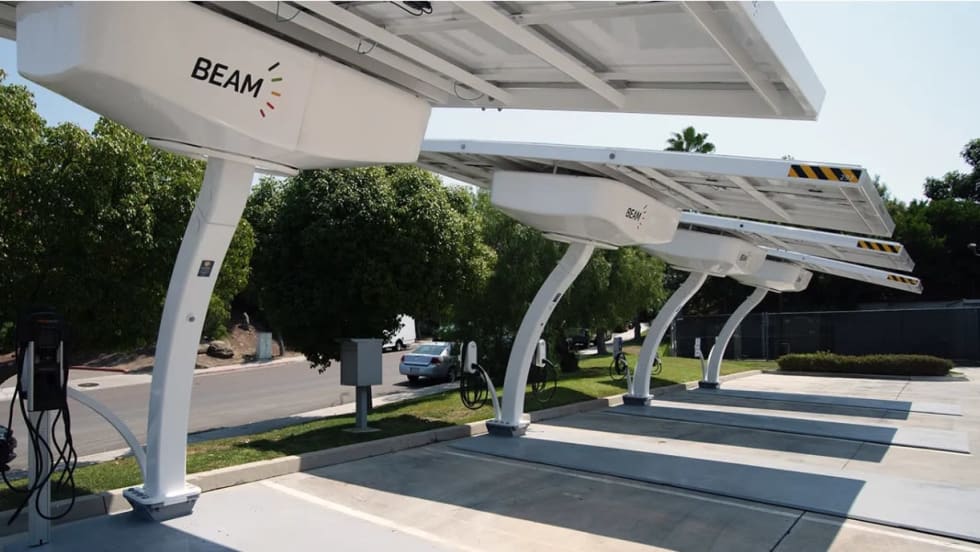
Stanislaus County Deploys Ten Beam Global EV ARC Systems to Support County Fleet Electrification
Stanislaus County deployed 10 off-grid solar-powered EV charging systems and a mobile charging trailer from Beam Global to support its electric fleet operations and emergency response flexibility.
Read More →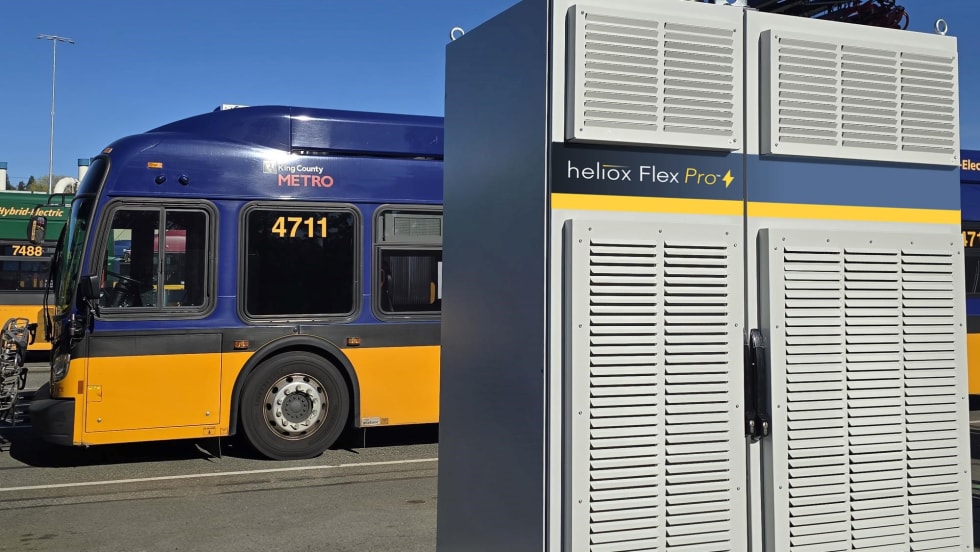
Heliox Pilots 480-kW Bus Charger with King County Metro
King County Metro is piloting Heliox’s new 480-kW Flex Pro charger to support expansion of its battery-electric bus fleet and depot charging infrastructure. The compact charging system supports pantograph and plug-in charging configurations for high-density transit operations.
Read More →