




City of Chico’s New Fuel Management System Ensures Accurate PM Intervals
CHICO, CA - The City of Chico recently installed FuelMaster's AIM2 fuel management system in 25 of its fleet vehicles, with plans to install the devices in the rest of the 347-unit fleet within two years.
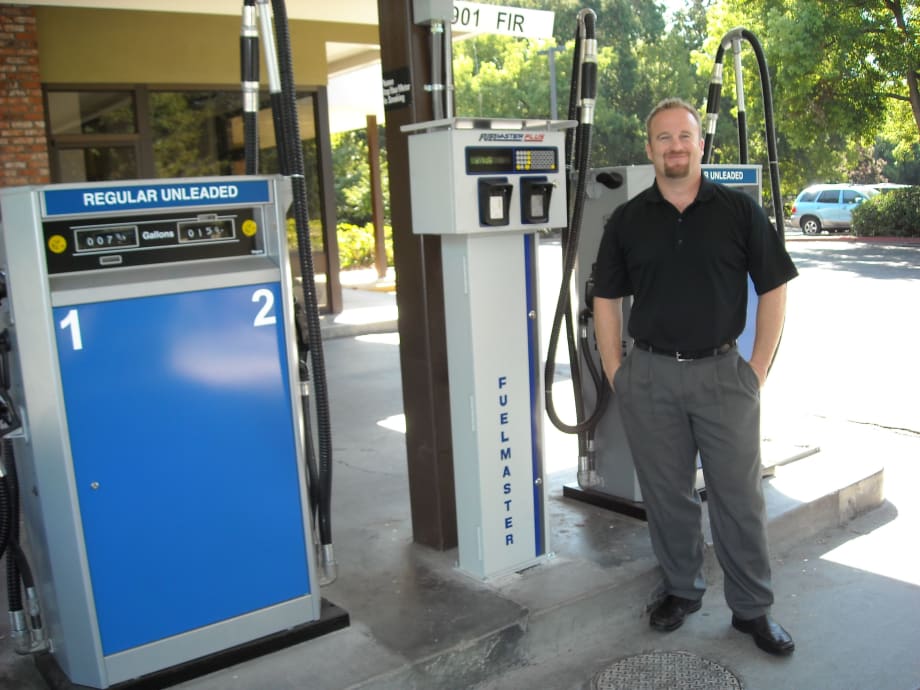
Erik Gustafson, fleet manager for the City of Chico, Calif., said the new FuelMaster AIM2 system has helped ensure accurate odometer readings and PM cycles.
Erik Gustafson, fleet manager for the City of Chico, Calif., said the new FuelMaster AIM2 system has helped ensure accurate odometer readings and PM cycles.
CHICO, CA - The City of Chico recently installed FuelMaster's AIM2 fuel management system in 25 of its fleet vehicles, with plans to install the devices in the rest of the 347-unit fleet within two years. The system replaces an older, less comprehensive fuel system that was not compatible with the City's fleet maintenance software, according to Erik Gustafson, fleet manager for the City.
Because the fuel system did not integrate with the fleet software, fleet tracked maintenance intervals by time rather than odometer readings, leading to inaccurate maintenance intervals. "We were having accountability due to operators fueling multiple vehicles with one card, and there was no accurate vehicle information being input in the system," Gustafson said. He added that cards would become demagnetized and unusable. With reduced staffing, it was difficult to find staff with the time to fix the fuel cards.
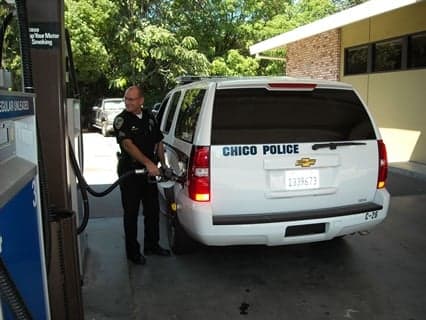
Sgt. Mike Nelson fuels his police vehicle, one of the 25 vehicles with AIM2 devices installed.
The City issued a request for quotation (RFQ), but ended up buying the FuelMaster system using an National Joint Powers Alliance (NJPA) contract. The initial 25 vehicles installed with the AIM2 device are frontline police vehicles. Gustafson said he was working with four-year-old budget dollars in the initial purchase, and as the infrastructure is already in place, he doesn't anticipate problems in obtaining funding for the rest of the vehicles within two years. In the meantime, other vehicle operators are fueling by manually entering a security code and odometer readings into a touchpad connected with the AIM2 system.
Gustafson cited these benefits of using the new fuel system:
Accurate fuel consumption and odometer systems reading
Accurate tracking and scheduling of planned maintenance.
Alerts of potential vehicle problems.
Improved security by ensuring the correct vehicle is fueled.
Ensured compliance with laws (the City has a no-idling policy).
Full customer support by FuelMaster.
The ability to pull vehicle information (even when it is not being fueled) at the entrance gate through the radio-frequency tag, or using terminals as gate-openers.
Related Articles:
Fontana’s Fuel Management System Expected to Reduce Downtime & Overtime Costs
More Fuel
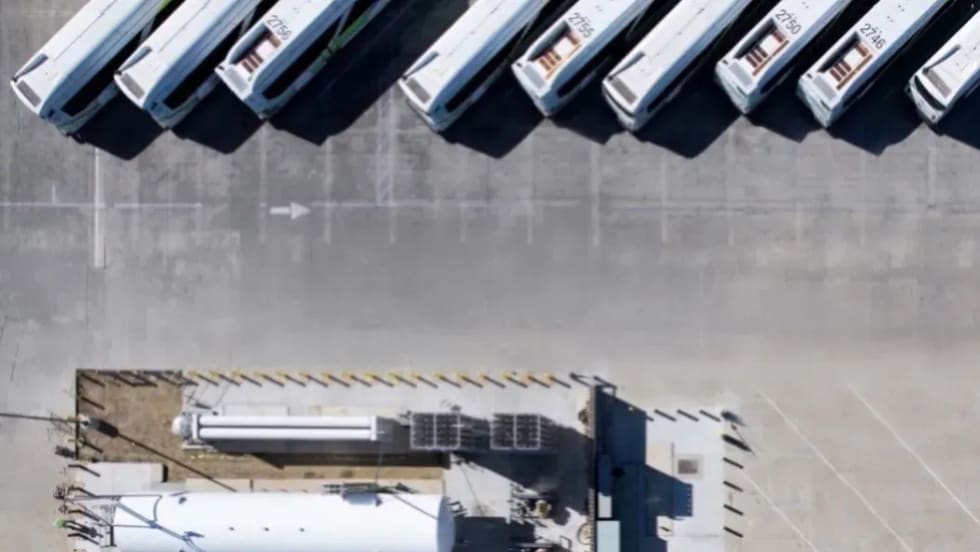
Clean Energy to Build Hydrogen Station for Orange County Transportation Authority
The new station will support the agency’s growing fleet of zero-emission hydrogen fuel cell buses.
Read More →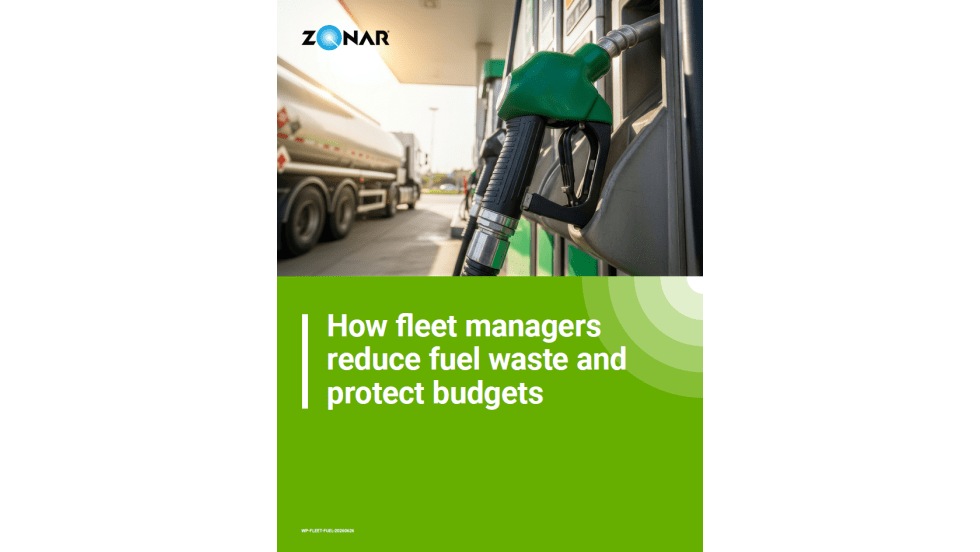
How Fleet Managers Reduce Fuel Waste and Protect Budgets
When fuel prices swing, fleet averages don’t tell the whole story. This white paper helps fleet and operations leaders uncover where fuel waste really hides and what data they need to build a smarter, more resilient fuel strategy.
Read More →
Planning for Future Technologies: Hydrogen and Beyond
As public agencies work to cut emissions from off-road operations, fleets are turning to a mix of renewable fuels, hybrid systems, battery-electric equipment and emerging hydrogen technology.
Read More →
RoadFlex Expands Fuel Network with Refuel Partnership
RoadFlex expands its fueling network for public sector fleets through a new partnership with Refuel, adding more than 250 locations across the Southeastern U.S. to improve access, savings, and efficiency.
Read More →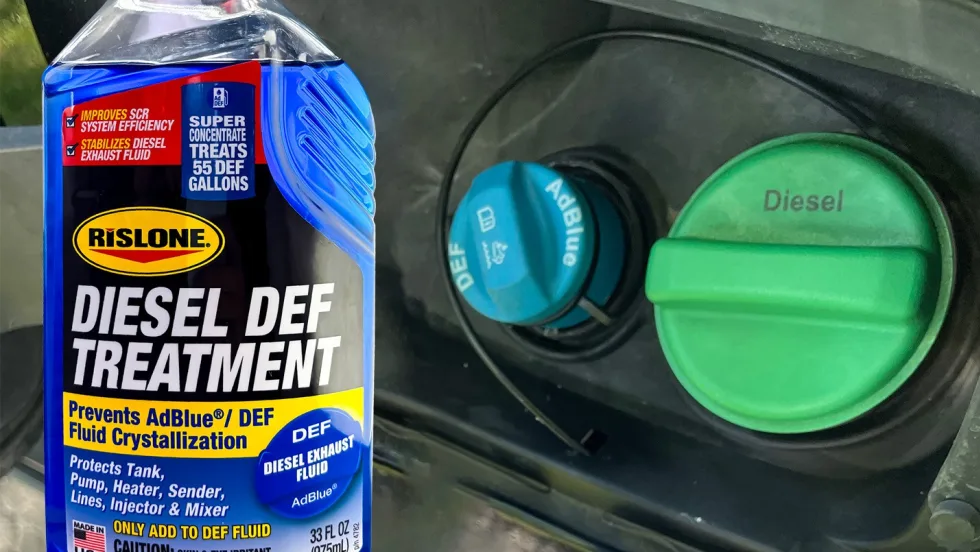
Rislone DEF Treatment Designed to Keep Diesel Exhaust Fluid Crystal-Free
Rislone is rolling out a super-concentrated version of its Diesel DEF Treatment that is designed to stabilize and improve diesel exhaust fluid.
Read More →
Are Bi-Fuel Propane Autogas Vehicles Making Law Enforcement Fleets More Resilient, Cost-Effective?
How a Florida sheriff office’s choice in fuel system led to a healthier budget, increased resiliency, and decreased emissions.
Read More →
Fleets All-In On Fuel Management Tech
Fuel management can become a tricky obstacle, but smart strategies and new tech have turned it into a well-oiled machine where price prediction is art, and cost control is science.
Read More →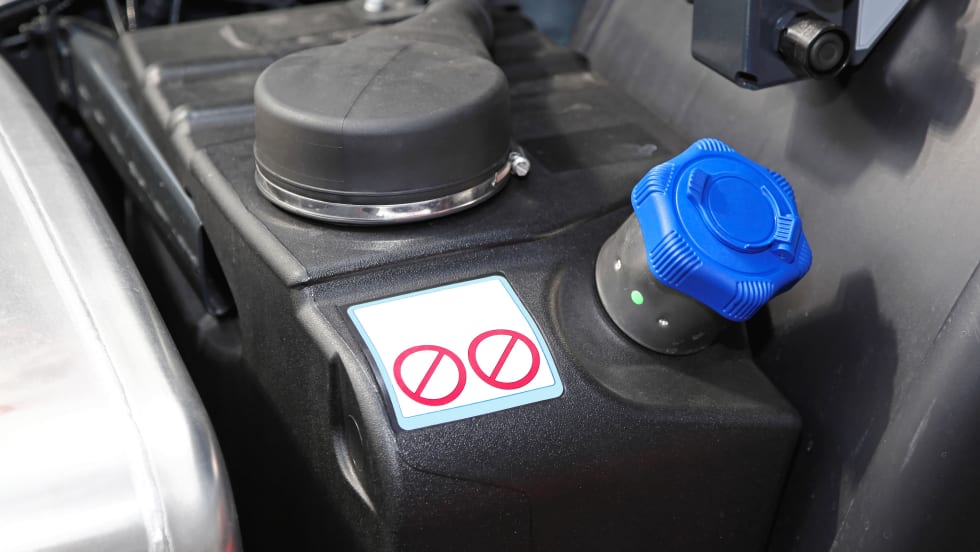
Prepare Diesel Trucks for Winter with Diesel Exhaust Fluid
Understand proper DEF purchasing, handling, and storage practices in order to meet regulatory requirements and operates at peak performance.
Read More →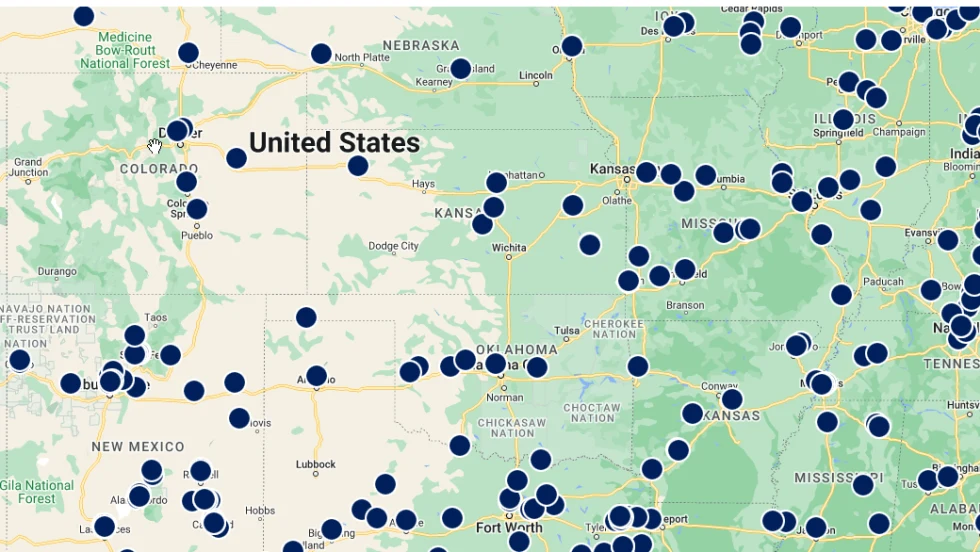
Diesel Exhaust Fluid (DEF) Locator
Yara, a diesel exhaust fluid (DEF) producer, offers a DEF locator website to help get the fluids fleets need.
Read More →
Gas vs. Diesel: The Bad Investment Only Fleet Managers Know About
A major point of debate in fleet management is using diesel vs. gas cars and trucks. Choosing to purchase gasoline engines instead of diesel ones for medium-duty trucks may be an unpopular decision, but is it the right one?
Read More →