




City Manager Accepts Hits, Not Tone from Privatization Critics
Those unhappy that the city is considering contracting with private companies for transit, graffiti, and street-sweeping services are particularly upset with City Manager Kevin Northcraft, according to the Tulare Advance-Register.
TULARE, CA -- Those unhappy that the city is considering contracting with private companies for transit, graffiti, and street-sweeping services are particularly upset with City Manager Kevin Northcraft, according to the Tulare Advance-Register. Many have written letters to the Advance-Register, the City Council, and others criticizing Northcraft for what they say is a career pattern of seeking contracts with other agencies or private companies to provide city services. They cite his tenure in Hermosa Beach, where the city considered contracting with the Los Angeles County Sheriff's Department for police service. They also say he supported a plan to merge the Upland and Ontario fire departments when he was Upland's manager. Critics charge that the city manager wants to outsource services because he doesn't know how to manage well. Northcraft, though, says he would never apologize for exploring contracting possibilities in any city he managed. No plans have been made to outsource or merge Tulare's police or fire services with operations in other communities, Northcraft said. Tulare County officials, faced with the rising cost of its state contract, did discuss the possibility of contracting with cities for fire service on the Valley floor, but nothing has come of that, he said. The City Council has consistently supported studies exploring contract possibilities and has approved agreements with private companies and agencies to do some, but not all, of its park and fleet maintenance. A decision on whether to contract for transit services is expected May 18. Some of those upset with Northcraft have said he gets $200,260 in salary and benefits to manage the city, but that is not his pay. The figure they are using is from the adopted 2003-04 budget, which includes salary and benefits for two people and $17,200 in maintenance and operation cost. Northcraft's salary is $122,720 and his benefits are valued at about $36,816, reported the Advance-Register. The 2004-05 city budget under construction was still $320,000 out of balance when the City Council met this week, prompting Northcraft to ask council members for help. As they did last year, Vice Mayor Brenda Hastings and Councilwoman Nettie Washington volunteered to work with department heads in developing options to reduce spending or generate new revenues. The shortfall reported this week did not include a major unknown: loss of income from the state. The Governor's budget unveiled in January would cut local revenues by about $500,000, with the redevelopment and general funds taking an equal hit, Northcraft said. General-fund money pays for police, fire, streets and other basic municipal services. According to the Advance-Register, the city will get $876,000 in Community Development Block Grants in the new fiscal year, and the bulk of the money will go to redevelopment and city services. The plan the council approved this week sets aside:
$445,000 for redevelopment in West Tulare, which will target apartments for the first time.
$163,800 to administer the grant.
$100,000 to help rehabilitate an estimated three homes.
$60,000 for code enforcement in West Tulare.
$33,900 for Tulare Read, the city's literacy program.
$30,000 toward repayment of a loan to reconstruct Martin Luther King Jr. Avenue in the Alpine Redevelopment Area.
$10,000 to help city residents whose homes need emergency repairs.
$17,000 for the city's after-school program.
$15,000 for Tulare Emergency Aid, to help people with their rents and utility bills.
$1,600 for Emergency Aid, to provide pool passes and swimming lessons to youngsters who can't afford them.
More Operations

How Government Fleets Are Turning Connected Vehicle Data Into Practical Decisions
Public sector fleets are using connected technology to improve visibility, but the bigger challenge is building the processes to act on the information it provides.
Read More →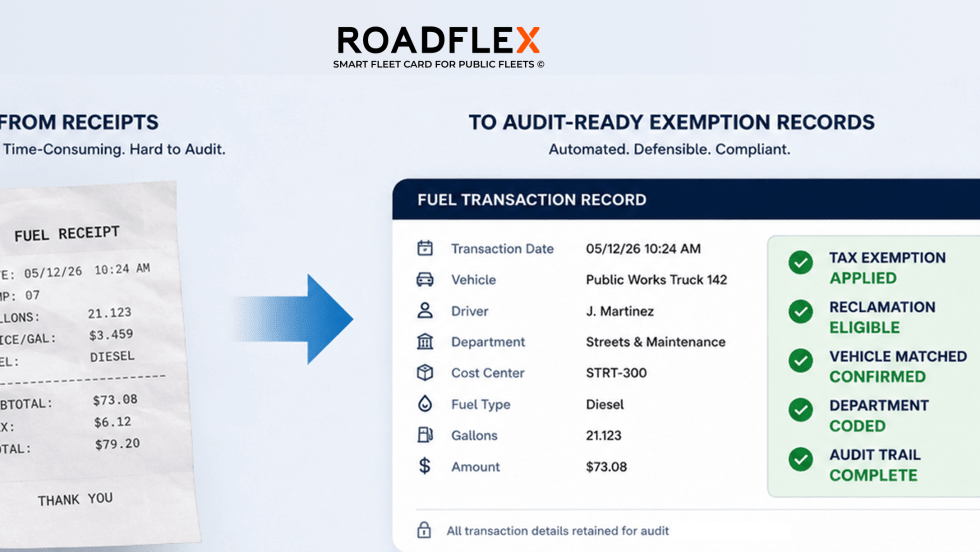
RoadFlex Brings Fuel Tax Compliance and Audit-Ready Reporting to Government, Public Works Fleets
New capabilities aim to help public-sector and public works fleets streamline fuel tax exemptions, reclamation, reconciliation, and audit-ready reporting.
Read More →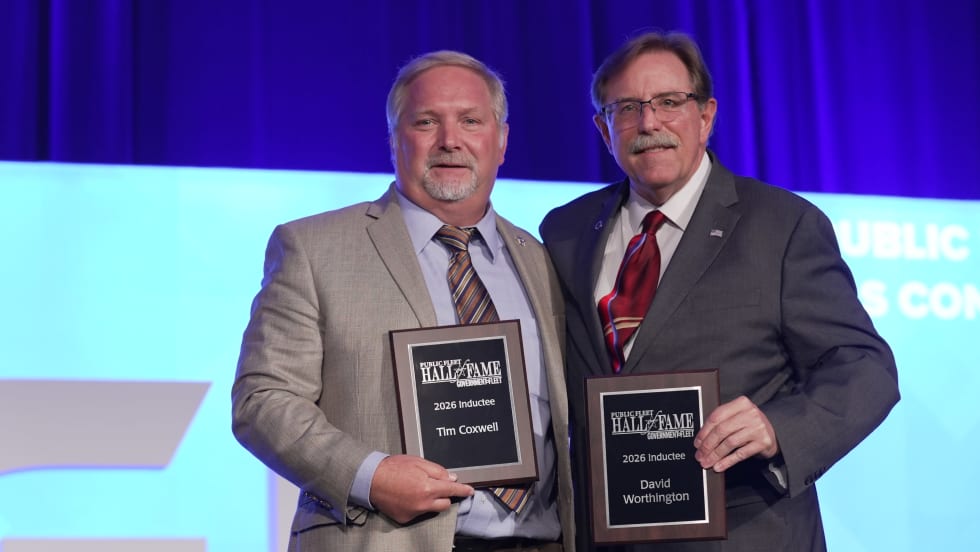
2026 Public Fleet Hall of Fame Inductees Honored
This year's class includes leaders whose work has helped shape the public fleet industry.
Read More →

David Renschler Receives 2026 Legendary Lifetime Achievement Award
Andy Campbell of Sourcewell, which partnered with Government Fleet in presenting the award, recognized Renschler.
Read More →
Ross Jackson Jr. Named 2026 Public Sector Fleet Manager of the Year
His leadership, innovation, and commitment to excellence earned him one of the industry's top honors.
Read More →
Public Fleet Professionals Set to Converge as GFX Gets Underway
Known as the largest gathering of public fleet professionals in the nation, GFX will feature in-depth training sessions, emerging fleet technologies, and access to leading suppliers and service providers.
Read More →
The Technician Pipeline: Finding, Keeping, and Promoting Techs Within the Operation
A look at where to find good talent, what fleets are doing to incentivize those techs to stay within the fleet, and what promotion looks like for a technician within the public sector.
Read More →
5 Public Fleet Stories Worth Revisiting Before GFX | The May Dispatch
Public fleet leaders are being asked to prepare for more, communicate better, and make decisions that hold up under pressure.
Read More →
Drive More Profit with Greater Fleet Uptime
Fleet downtime costs money. JASPER helps keep vehicles on the road with quality remanufactured components, fast nationwide delivery, and reliable solutions that boost uptime and profitability.
Read More →
Are You Tracking Your Fleet's True Total Cost of Ownership?
Bobit Business Media surveyed 190 fleet professionals and found that while most fleets are tracking costs, fragmented systems and data gaps are keeping true TCO visibility out of reach. With rising pressure to control spend in an increasingly volatile environment, the gap between what fleets think they know and what the data actually shows is wider than you might expect. See how your peers are managing costs today and where the industry still has room to improve.
Read More →