




Chicago Launches Snow Plow Naming Contest
The six winning names will be divided up among one plow in each of the city's six snow districts.

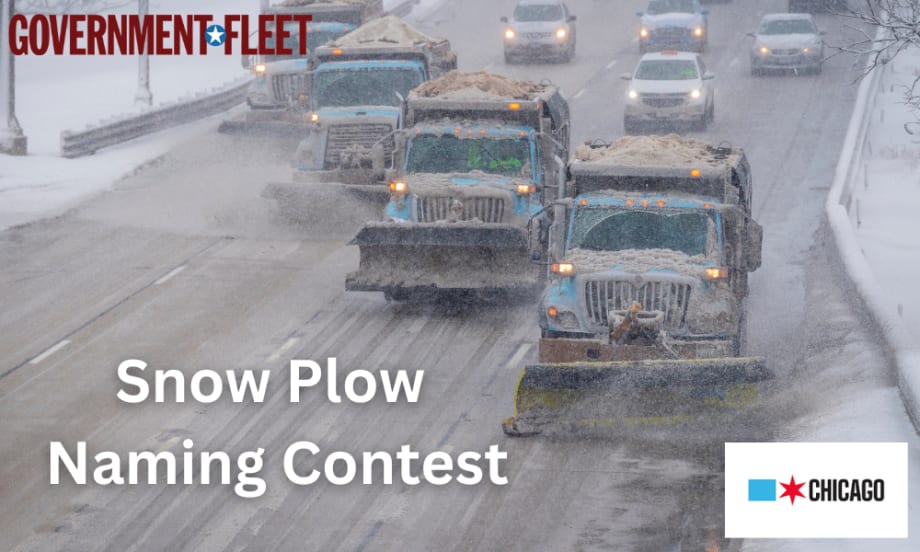
Every time Chicago's snow plows do a single pass of the city's entire route system, they travel some 9,456 total lane miles
Source: City of Chicago/Government Fleet
The city of Chicago will soon have snow plows named by its residents. The city recently launched its "You Name a Snow Plow" contest. Residents are encouraged to use their "ingenuity and imagination" to come up with unique names for six plows, one for each of the city's snow districts.
Residents can only enter one name, which must be less than 50 characters, on the city's website. Submissions will be accepted until 20,000 names have been entered, or until January 6, 2023, whichever comes first. Department of Streets and Sanitation staff will select 50 finalists, and residents will then be able to vote for their favorites from January 15-31. The six names with the most votes will then be divided up among one plow in each of the city's snow districts.
Residents can view the fleet at work in real-time using the plow tracker. It shows users where the plows are, what roads they have serviced at what time, and what roads are still pending work.
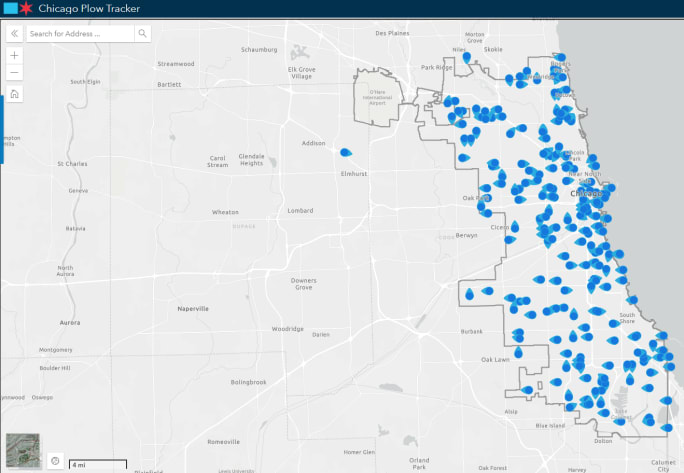
Chicago's plow tracker allows residents to see real-time updates on which roads have been plowed. The blue dots represent individual snow plows.
Source: City of Chicago
About the Windy City's Snow Plow Fleet
City officials refer to Chicago's fleet of snow plows as "Snow Fighting Trucks." Every time the trucks do a single pass of the city's entire route system, they travel some 9,456 total lane miles, according to the city's website. The Department of Streets & Sanitation (DSS) coordinates the city's snow and ice control efforts from its Snow Command center. It allows staff to access and view a network of cameras and pavement sensors to get an accurate assessment of its pavement conditions citywide.
The city tracks incoming weather systems via Doppler radar and through constant communication with its meteorological consultants and the National Weather Service, according to its website. It combines those technologies along with its telematics devices on all of its trucks to strategically deploy snow personnel to up to 280+ snow routes. They consist of main city streets, neighborhood streets, and Lake Shore Drive -- one of the city's busiest roadways.
Last snow season was the first year the city fully implemented the turn-by-turn snow routing system, which allows for real-time tracking of the percentage of completion during snow clearing programs, a spokesperson for the Department of Streets and Sanitation told Government Fleet. The technology allows the department to measure efficiencies and quickly identify any issues with residential snow removal so it can adjust its resources when needed.
Most of Chicago's side streets are cleared by full size Snow Fighting Trucks, while its narrowest streets side streets are cleaned by a fleet of over 20 smaller plows. Those include 4x4 pick-up trucks with plows and heavy salt capacity.
More Operations

Is Keeping Older Fleet Vehicles Really Saving Money?
Is keeping vehicles longer saving money, and what happens when a diagnostic test points to the wrong fix?
Read More →
How Smart Fleet Strategy Can Help Local Government Agencies Do More with Less
Keeping a vehicle longer may ease this year’s budget, but what does it cost the next one? A closer look at fleet decisions can reveal opportunities to reduce spending while protecting essential services.
Read More →
Connect with Government Fleet on LinkedIn
From industry news and fleet management strategies to conversations with peers, Government Fleet's LinkedIn page offers public-sector fleet professionals another way to stay informed and connected.
Read More →
Town of Queen Creek Named Most Successful Fleet Award Winner of Inaugural RTA Fleet Success Awards
Five fleets were honored at RTA Connect 2026 in Chicago for excellence across resource efficiency, intentional culture, risk management, and stakeholder satisfaction.
Read More →
A buyer's guide to fleet management software in 2027
Buying fleet management software in 2027 means looking beyond features and price. As fleet operations, technology and expectations evolve, this guide explores what today’s fleet professionals should consider when choosing a system that can deliver value now and adapt to what comes next.
Read More →
Hazard Alerts, Fleet Car Sales Rise and a New Shuttle Concept
Fleet car sales doubled, but the bigger picture tells a different story in this week’s roundup.
Read More →
How St. Johns County Turned Fleet Data Into Better Replacement Decisions
St. Johns County, Florida, had fleet data, but turning it into reliable decision guidance was another matter. Instead of starting over with a new fleet management system, the county connected existing tools and built a scoring system that gives managers an objective look at fleet health.
Read More →
Fleet Forward Conference Introduces One-Day Passes for 2026
New one-day registration lets fleet professionals attend Tuesday, Wednesday, or Thursday, with passes available for $249.
Read More →
ENC Unveils its ZAVIR Medium-Duty Shuttle
Two variants of the concept shuttles were revealed: a low-floor configuration and a high-floor configuration.
Read More →
Could Your Next Fleet Technician Start as an Intern?
What if your next technician hasn’t worked in a fleet shop yet? What fleets are doing to free up time.
Read More →