





In Case You Missed It: Chicago Area Clean Cities Expands Statewide, Changes Name
Chicago Aims for 100% ZEV Municipal Fleet by 2035
The city will reach a significant milestone in the first year of the program by procuring 182 EVs that will make up approximately 25% of the non-emergency light duty fleet.
May 9, 2023
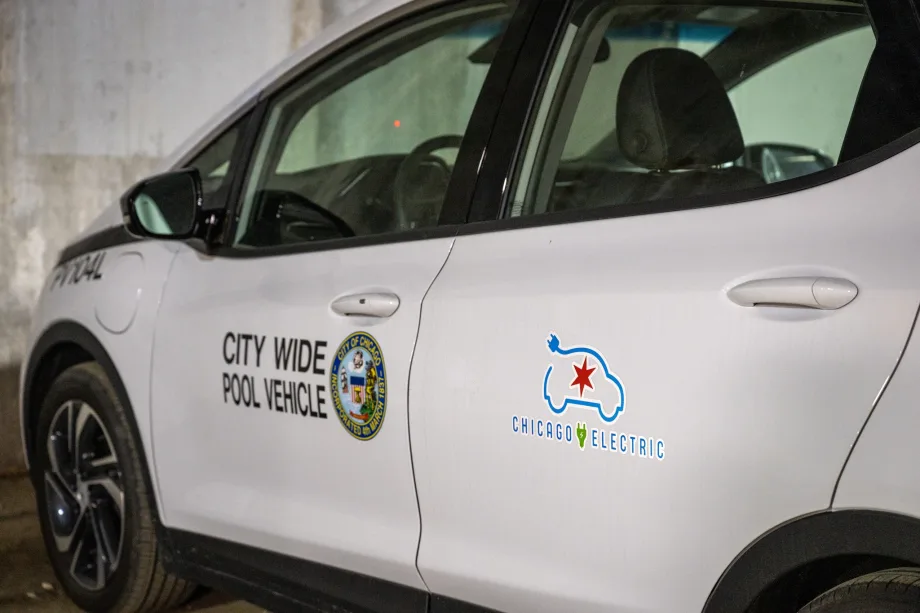
To date, a total of 176 EVs have been leased or purchased for the city of Chicago's municipal fleet, with the bulk of those to be delivered in the coming months.
Photo: City of Chicago
3 min to read
The city of Chicago unveiled plans to transition 100% of its municipal fleet to electric vehicles (EVs) or other zero-emissions vehicles by 2035. Dep. Mayor Samir Mayekar, Chief Sustainability Officer Angela Tovar, and Commissioner Sandra Blakemore of the Department of Assets, Information and Services (AIS) joined city employees in announcing the initiative while they toured the city's new EV fleet and municipal charging stations at the city's AIS Fleet Headquarters in the Englewood community late last month.
The plan, called Chicago Electric, is in line with goals laid out in the city's 2022 Climate Action Plan (CAP). The announcement came just after the U.S. Environmental Protection Agency (EPA) and the Biden-Harris Administration announced newly-proposed federal vehicle emissions standards for cars and trucks that will minimize pollution and bolster EV production in the United States.
“During my tenure as Mayor of Chicago, I have taken swift action to lower the City’s emissions and support new economic opportunities to bolster the green economy in Chicago and beyond,” Mayor Lori Lightfoot said. “I am proud to align our goals with President Biden, the US EPA, and our partners in the public and private sectors and to make environmentally responsible choices that serve our city and our planet.”
A Closer Look at Chicago's Fleet
The city of Chicago maintains a fleet of 11,246 light, medium-, and heavy-duty vehicles. Implementation of Chicago Electric is already underway, as the city plans to install over 190 charging stations citywide at municipal facilities.
Additionally, the city will reach a significant milestone in the first year of the program by procuring 182 EVs that will make up approximately 25% of the non-emergency light duty fleet. To date, a total of 176 EVs have been leased or purchased with the bulk of those to be delivered in the coming months.
The city has committed to a historic investment of over $42M for Chicago Electric over the next five years, sourced through funding from the Chicago Recovery Plan and the city's Chicago Works capital budget. City leaders also plan to maximize federal incentives and other funding opportunities for clean vehicles including EVs and EV charging infrastructure.
“It is incumbent upon the City to lead by example in ensuring we reduce our environmental footprint while taking advantage of unprecedented and lucrative federal tax incentives to do so,” Blakemore said. “Through Chicago Electric, AIS will cycle out gas vehicles at time of replacement, prioritizing light-duty vehicles for this first cycle.”
Chicago Electric’s goal to transition 100% of the City’s fleet to zero-emissions was first set out in the 2022 CAP, with an overall goal of a 62% reduction in Chicago’s greenhouse gas emissions by 2040, while driving equitable co-benefits for residents. AIS is working to realize the equitable vision of the CAP by ensuring that charging stations and the fleet transition are prioritized first for municipal facilities located in neighborhoods most vulnerable to air pollution.
The transportation sector accounts for 24% of all greenhouse gas emissions in Chicago, according to a press release.
Topics:Green Fleet
More Green Fleet
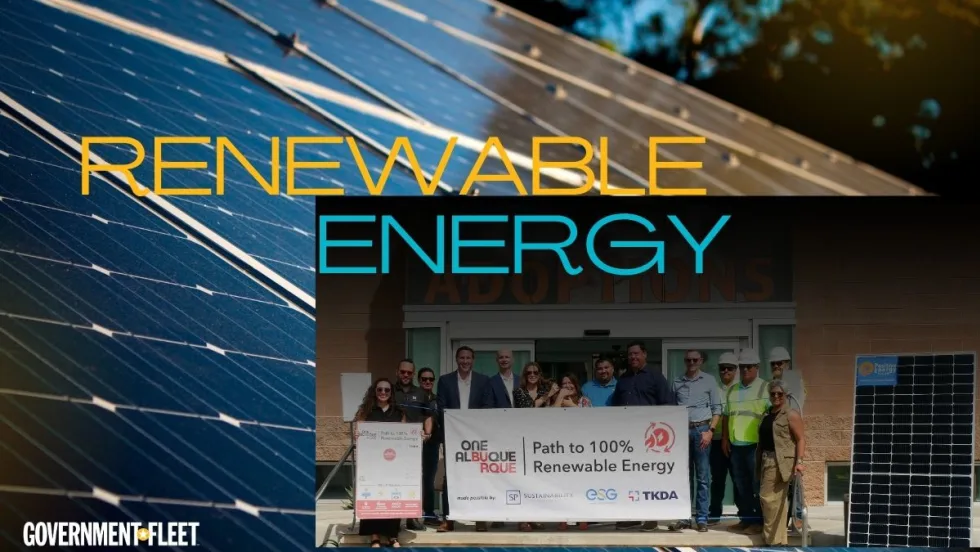
Sustainability Partners, Energy Systems Group Help Albuquerque Close the Gap on its 100% Renewable Energy Goal
The eight-site, 6 MW solar project has advanced the city toward 100% renewable energy for municipal operations.
Read More →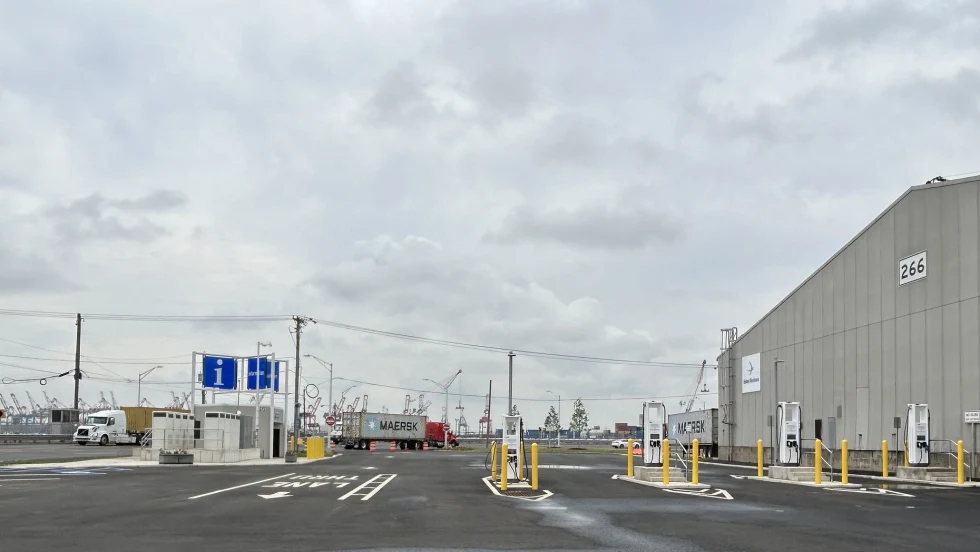
Port Authority and CALSTART Launch $45 Million Electric Truck and Charging Programs
The programs aim to boost sustainable operations across the East Coast's busiest seaport.
Read More →
Moving Government Fleets Beyond the Vehicle Purchase: EV as a Service
A discussion on how EVaaS is moving beyond pilot programs and what fleets should consider before beginning a larger deployment.
Read More →
Moving Government Fleets Beyond the Vehicle Purchase: EV as a Service
As fleets move beyond small EV pilots, Sustainability Partners CEO Adam Cain explains how EVaaS can address the infrastructure and long-term planning required for larger deployments.
Read More →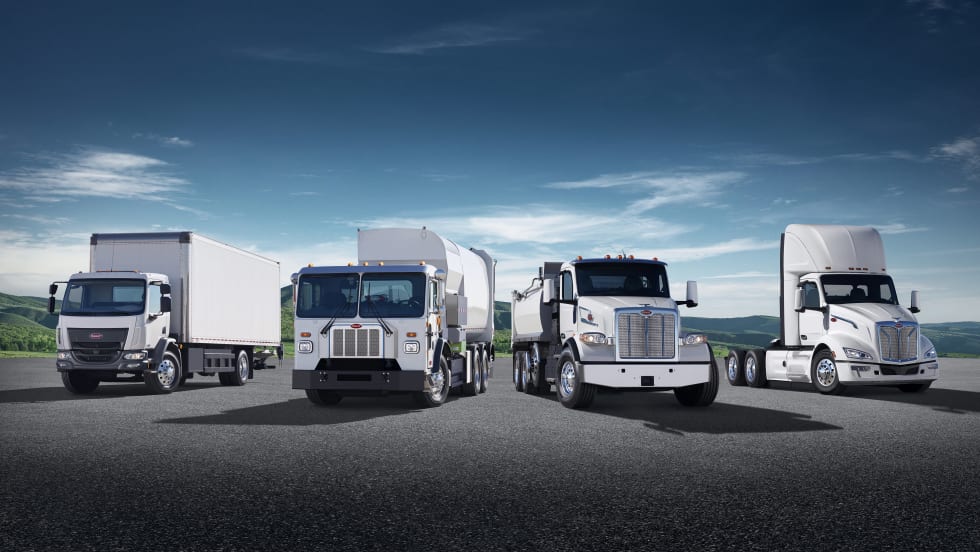
Peterbilt Expands Sourcewell Partnership with Electric Vehicle Lineup
The agreement aims to provide streamlined procurement of Peterbilt trucks for government, education, nonprofit and tribal organizations across the United States and Canada.
Read More →

EV Adoption & Charging Challenges
Where is your fleet in the journey of vehicle electrification? If you're still looking for answers to fleet electrification you've come to the right place.
Read More →
Hawaii Passes Clean Fuel Policy
Hawaii lawmakers passed clean fuel legislation that could support renewable natural gas production, biogas-powered transportation, and lower-carbon fueling options for public and commercial fleets.
Read More →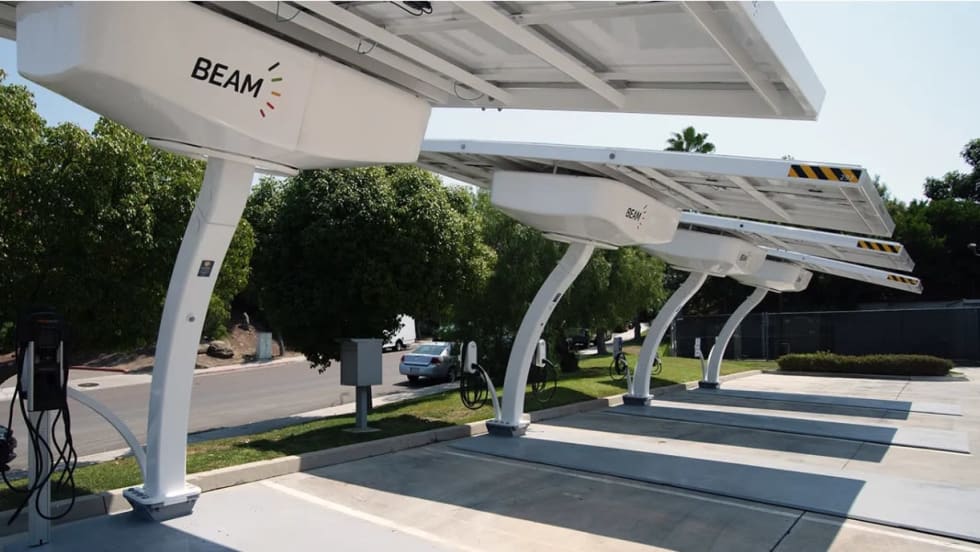
Stanislaus County Deploys Ten Beam Global EV ARC Systems to Support County Fleet Electrification
Stanislaus County deployed 10 off-grid solar-powered EV charging systems and a mobile charging trailer from Beam Global to support its electric fleet operations and emergency response flexibility.
Read More →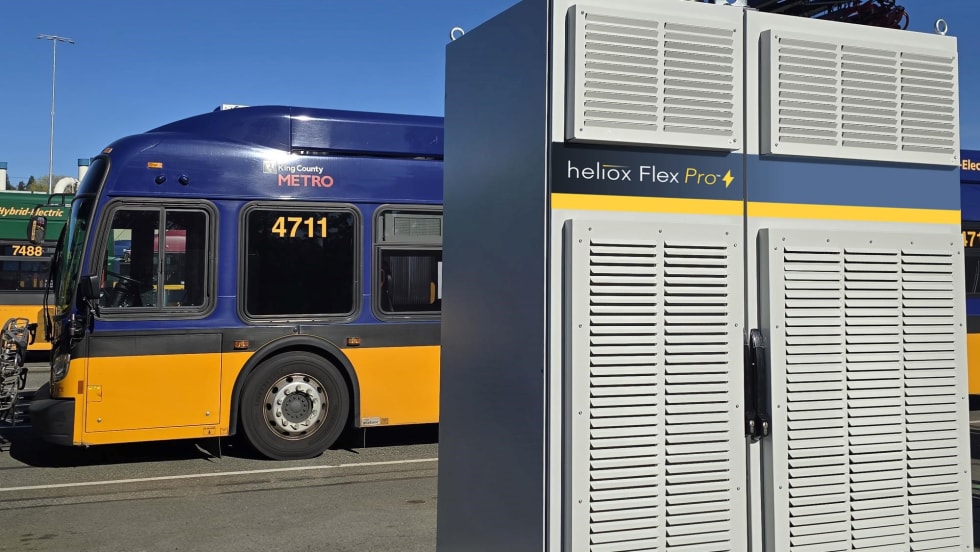
Heliox Pilots 480-kW Bus Charger with King County Metro
King County Metro is piloting Heliox’s new 480-kW Flex Pro charger to support expansion of its battery-electric bus fleet and depot charging infrastructure. The compact charging system supports pantograph and plug-in charging configurations for high-density transit operations.
Read More →