





Want More? Check out The Model Year 2025 Police Vehicle Lineup
Chevrolet’s 70-Year History of Building Police Vehicles
Chevrolet marks 70 years of producing police vehicles, tracing the evolution from early adaptations to its current lineup of purpose-built models.
April 9, 2025
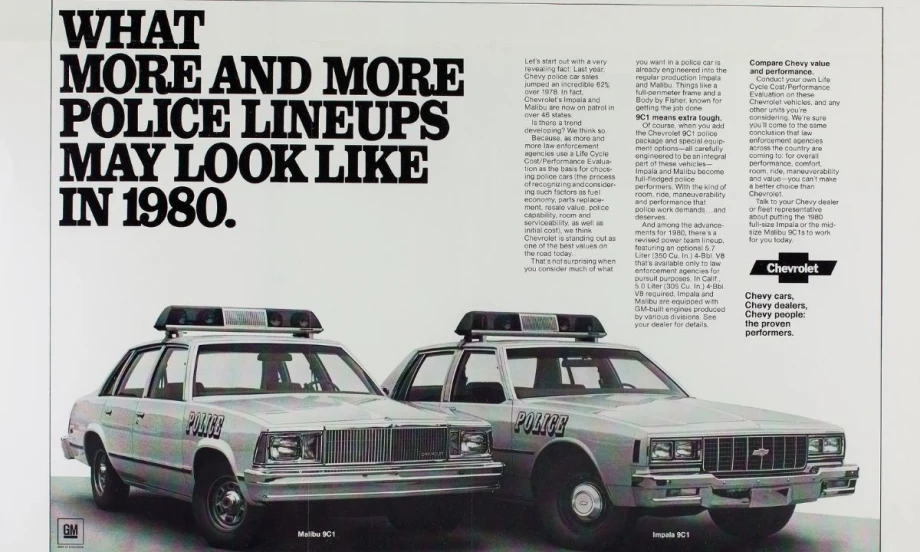
A print advertisement for Chevy police cars.
Photo: GM
3 min to read
For more than seven decades, Chevrolet has produced police vehicles by modifying standard consumer models to accommodate law enforcement use.
Chevrolet’s involvement in law enforcement transportation has evolved steadily over time. That progression began nearly a century ago, when police agencies started adapting available vehicles to support patrol operations.
Early Beginnings with Police Vehicles
This journey began in the 1920s, when police departments began to buy retail vehicles to enhance operational efficiency. Early models, including GMC panel trucks and Chevrolet sedans, were modified with features like radio equipment, lighting, and reinforced brakes.
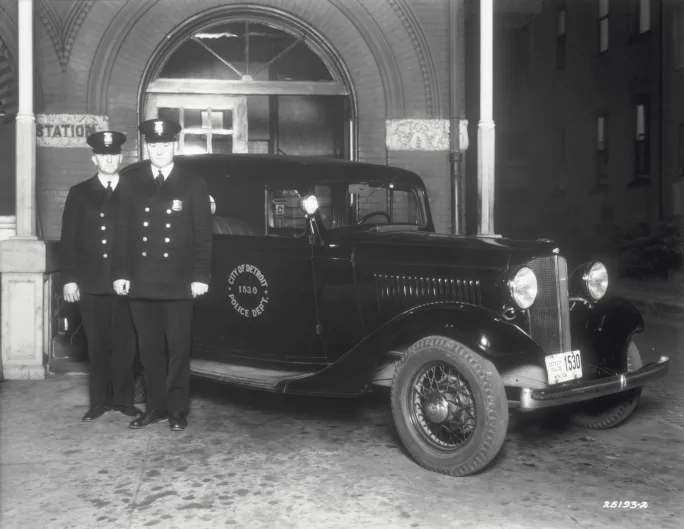
A 1933 Chevy Standard Six City of Detroit police car.
Photo: GM
A significant turning point came in 1955, with Chevy’s introduction of the first factory-installed police packages. The 1955 Chevrolet One-Fifty sedan and Two-Ten station wagon were available from the factory with special police equipment, including heavy-duty chassis components, marking a new era in law enforcement vehicle options.
These models featured enhancements that catered to the demands of police work, such as improved chassis, engine performance, and braking systems, including the most powerful engine available for police use, the 265 cid Super Turbo-Fire V8, which produced 205 horsepower. This development helped officers respond swiftly and effectively to emergencies.
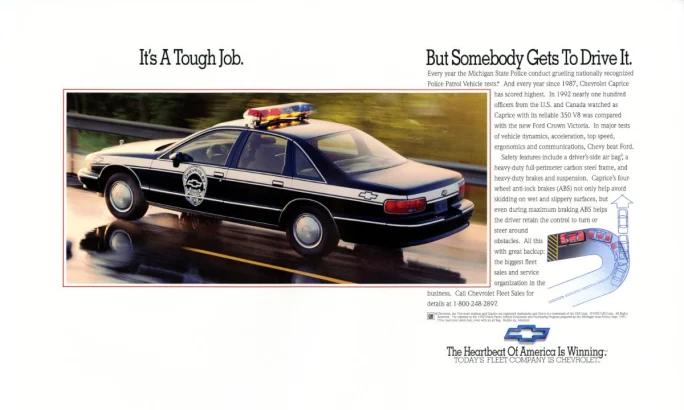
A 1992 print advertisement discussing the Michigan State Police testing that is still done to this day.
Photo: GM
Adding Technology for Fleets
Over the decades, Chevy's police vehicle offerings have evolved, with popular nameplates adapting to the changing needs of law enforcement. In 1991, General Motors offered a B4C version of the Chevrolet Camaro for use as a police cruiser. GM added features like advanced safety systems, enhanced infotainment interfaces, and improved powertrains in response to feedback from law enforcement agencies.
2025 Lineup: What’s Ahead
The 2025 police vehicle lineup includes the Blazer EV Police Pursuit Vehicle (PPV) Performance Dual Motor AWD, an all-electric, pursuit-rated police vehicle, with an EPA-estimated 297 miles of range.
The Tahoe PPV, the company’s oldest operating police nameplate, has been updated for 2025 with a 17.1-inch infotainment screen and comes with standard HD Surround Vision technology for improved situational awareness, and safety and driver assistance technology, including a rearview camera mirror.
The Silverado PPV combines the power of a 5.3L V8 engine with the versatility of a pickup truck, making it an ideal choice for law enforcement operations that require both strength and adaptability. Its standard features, including a 220-amp alternator and the Z71 off-road package, help it handle diverse terrains.

The pursuit rated pickup also features an optional 2-inch suspension lift. Silverado PPV’s braking abilities were the top performer among pickups tested by the Michigan State Police thanks to its 6-piston Brembo front brake calipers on 16-inch rotors.
“The changes and enhancements in our model year 2025 police vehicle lineup are a result of feedback from our law enforcement customers,” said Yuri Tello, manager of government sales for GM Envolve. “With a focus on sustainability and performance, Chevy and GM Envolve aim to help law enforcement operations meet their sustainability goals while enhancing safety and efficiency.”
More Police
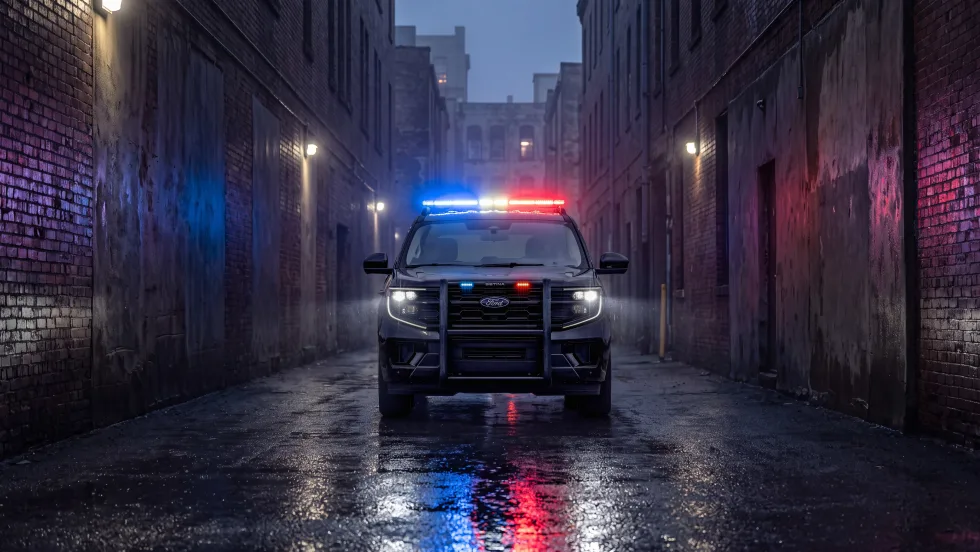
Ford Pro Introduces Full-Size 2028 Expedition Police Responder
Ford Pro gave law enforcement customers a first look at the pursuit-rated utility during Police Fleet Expo.
Read More →
Paterson Police Expand Drone Fleet, Launch Real-Time Operations Center
The Paterson Police Department has expanded its drone program and opened a new Real-Time Operations Center designed to support emergency response and incident management. The initiative integrates multiple technologies to provide officers with real-time information during investigations and public safety operations.
Read More →
Why Public Fleet Success Depends on More Than the Vehicles
Tim Coxwell of the Leon County Sheriff’s Office discusses the projects shaping his fleet operation, including long-term work around vehicle selection, greenhouse gas emissions, and cost per mile.
Read More →
Havis Acquires Pro-gard Products
The acquisition brings together two manufacturers of public safety vehicle equipment under one company. Havis says the move expands its portfolio of products for outfitting law enforcement vehicles and other public safety fleets.
Read More →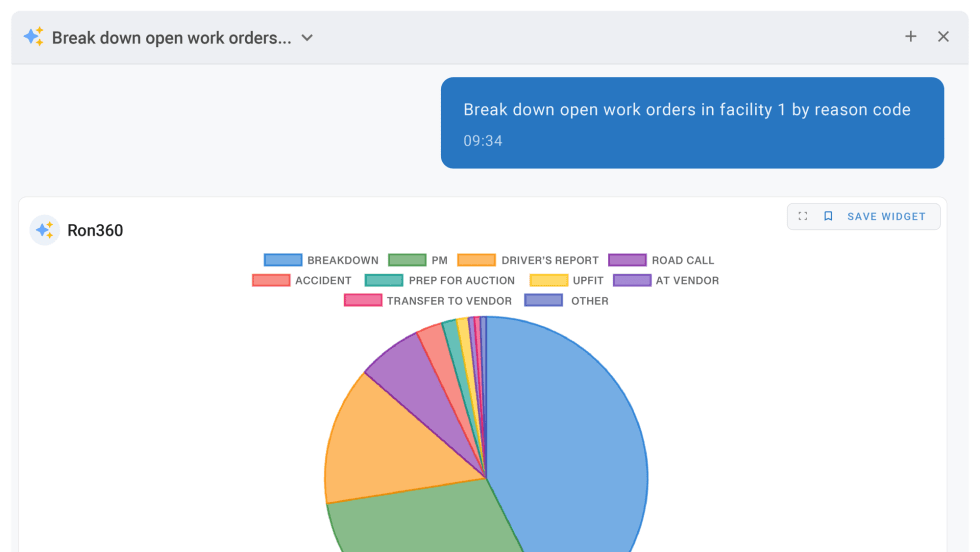
RTA Fleet Introduces AI Assistant for Fleet360 Platform
As artificial intelligence continues to gain traction across public-sector operations, fleet software providers are finding new ways to incorporate the technology into everyday workflows. RTA's latest addition aims to simplify how users interact with fleet data.
Read More →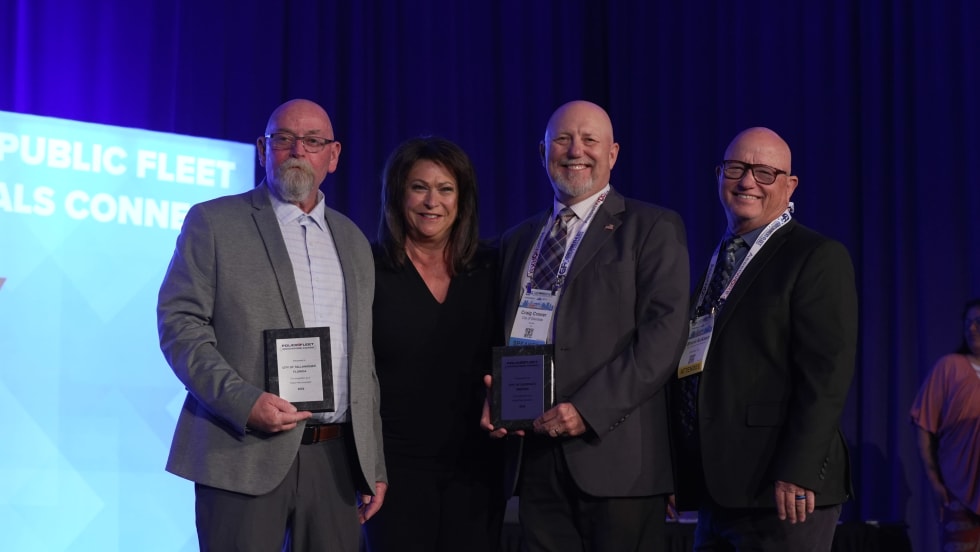
2026 Police Fleet Innovators Named
Meet the professionals finding new ways to solve some of law enforcement's toughest fleet challenges.
Read More →
Rynse Expands Nationwide Fleet Wash Access for Law Enforcement
The North Carolina Sheriff’s Association Contract Cooperative purchasing contract aims to streamline procurement process for law enforcement agencies across the U.S.
Read More →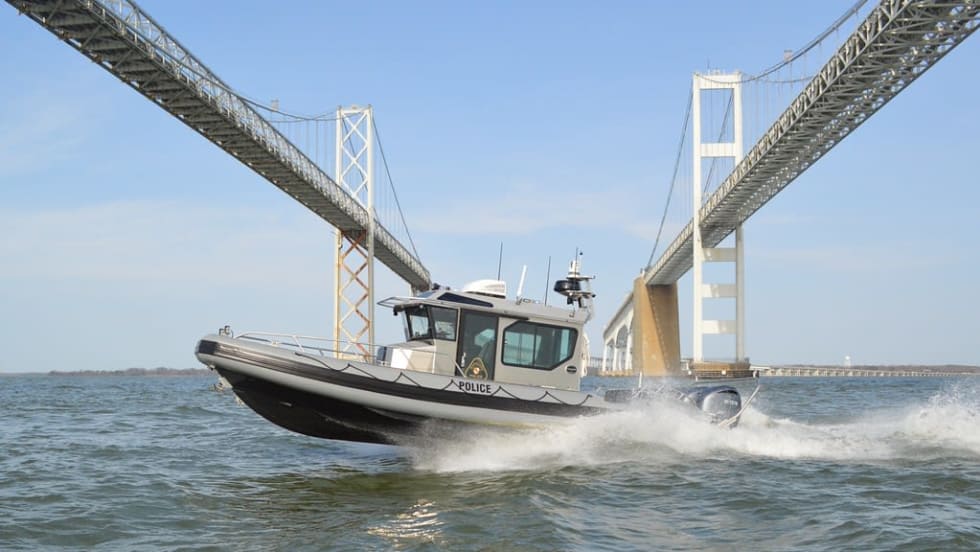
Maryland Natural Resources Police Adds 31-Foot Patrol Boat to Enforcement Fleet
A new addition to Maryland’s marine enforcement fleet is bringing expanded capabilities to Chesapeake Bay operations while honoring a legacy within the agency. The high-performance patrol vessel reflects how law enforcement fleets are adapting to growing demands on the water.
Read More →
LEHR Expands Florida Presence With Enforcement One Acquisition
LEHR has acquired Florida-based emergency vehicle upfitter Enforcement One, marking its eighth add-on acquisition.
Read More →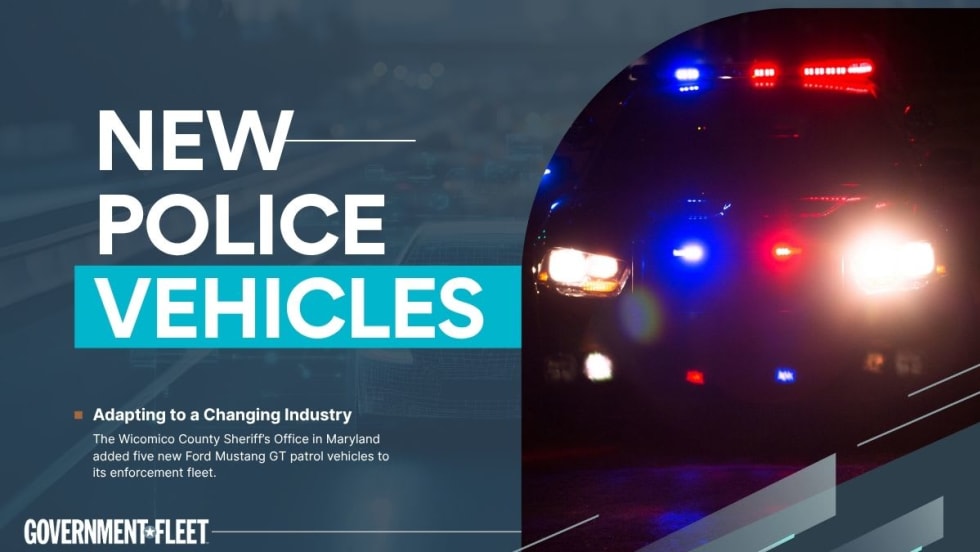
Maryland’s Wicomico County Sheriff Adds Mustang GT Patrol Vehicles
The agency is also working with the Maryland Police Training Commission on a specialized high-performance driving course for deputies assigned to the vehicles.
Read More →