





Related: Measuring (and Minimizing) EV Total Cost of Ownership
Central Maine Power Launches EV Charger Pilot
The goal of the program is to determine what incentives are more valued by developers, fleet managers, municipal planners, and others who decide to install chargers.
September 4, 2020
3 min to read
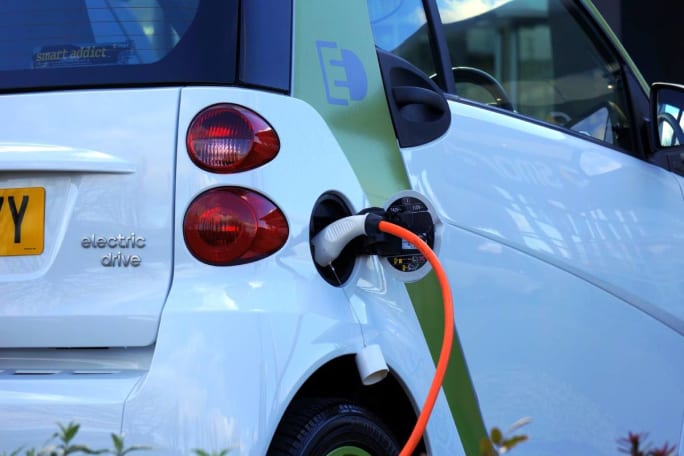
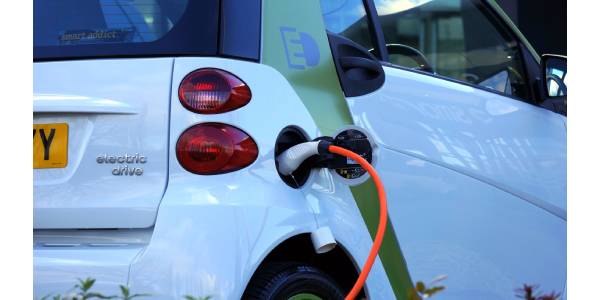
Central Maine Power (CMP) launched a pilot program Sept. 1 as part of a state effort to understand consumer preferences in funding the installation of Level 2 chargers for electric vehicles (EVs) across Maine. The goal of the program is to determine what incentives are more valued by developers, fleet managers, municipal planners, and others who decide to install chargers.
CMP is offering a “make-ready” solution where the company will install, maintain, and retain ownership of the electrical infrastructure needed to connect to the charging pads. The company will offer up to $4,000 in incentives toward the cost of the infrastructure and applicants must install a minimum of four “plugs." Level 2 chargers, which are 240 volts and must be professionally installed, typically charge vehicles about five times faster than a Level 1, 120-volt charger depending upon the car.
“Transportation currently accounts for half of Maine’s greenhouse gas emissions tied to fossil fuel combustion, so it is imperative we all work together to find solutions that enable EV expansion,” said Jason Rauch, energy, environmental, and regulatory policy manager for CMP. “The location and availability of chargers is one of the most important factors people consider as they decide whether to purchase an EV and we are committed to collecting information for Maine as part of a plan to make EV’s more accessible.”
ReVision Energy is partnering with CMP to perform the infrastructure installation during the pilot.
“As a lifelong Mainer, I am deeply concerned that Maine has the highest per capita carbon pollution in New England which is negatively impacting the Gulf of Maine and industries tied to our precious natural resources,” said Phil Coupe, a co-founder of ReVision Energy. “We are eager to partner in this work to install infrastructure that will help move the adoption of EV’s in Maine forward. It will take all business sectors working together to help move the state toward meeting its climate goals.”
The pilot was approved by the Maine Public Utilities Commission (MPUC) to promote the beneficial electrification of the transportation sector, part of a package passed by the Maine State Legislature in 2019 and is intended for applicants installing chargers in workplaces and public spaces such as municipalities, multi-unit residences, company garages and commercial spaces.
Efficiency Maine Trust (EMT) is also conducting a parallel pilot as part of the same program. EMT will offer rebates to applicants who will then purchase and install their own electrical infrastructure to connect to the charging pads. The EMT program is available statewide.
CMP’s make-ready grant program will be conducted through an open enrollment process and requires applicants to complete a program application form found here. Selection criteria will be used to determine which applicants will be chosen to participate in the program, with preference given to applicants who intend to install networked instead of basic chargers. The review process for acceptance into the program will begin Oct. 1,2020, and applications will be considered on a first-applied – first reviewed basis.
More Vehicle Research

Volvo Trucks Unveils New Volvo VNX, a Vocational and Heavy-Haul Truck
The Volvo VNX features standard forward pedestrian detection that continuously scans for people in the truck's path, and optional blind-spot detection, now available on both sides.
Read More →
Government Fleet Sales Fall in August Despite Year-to-Date Gain
Government fleet sales declined in August, but stronger year-to-date truck and SUV sales kept the overall 2026 total ahead of last year.
Read More →
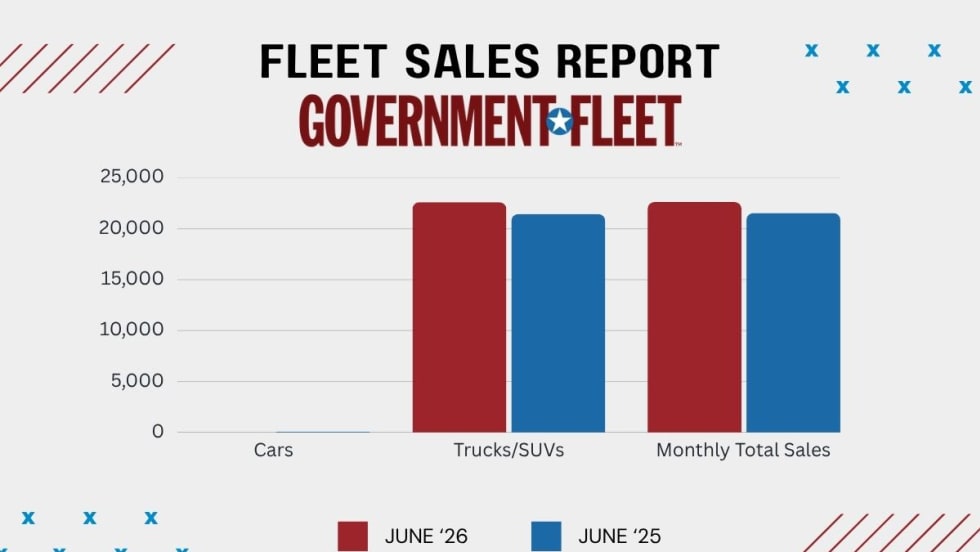
June Government Vehicle Sales See a Jump in Numbers
There were a reported 22,626 government fleet vehicles sold in June compared to 21,539 vehicles sold in June 2025.
Read More →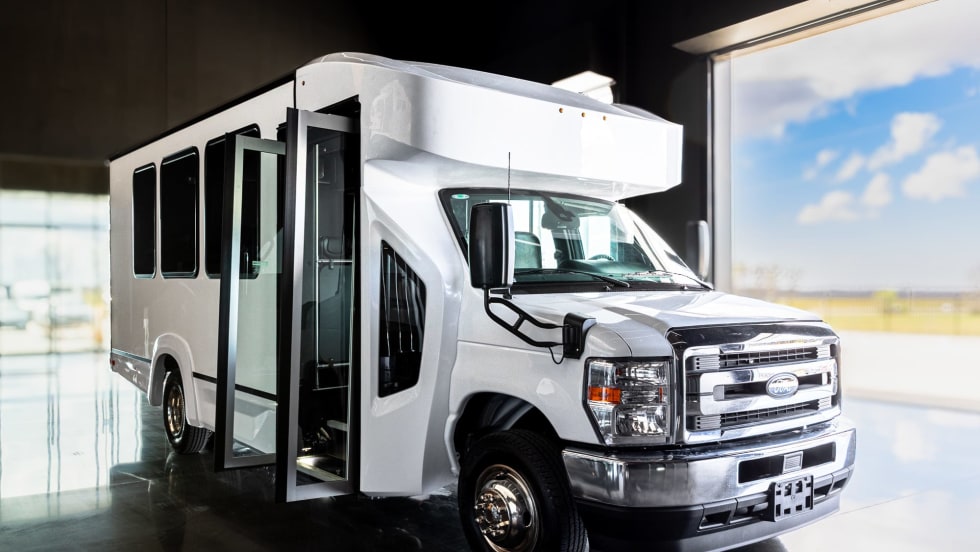
Master's Motors Introduces Shuttle Buses for Government and Commercial Fleets
Master's Motors has introduced two new shuttle bus models aimed at government and commercial fleet operators. The buses incorporate updated structural and accessibility features while offering configurable layouts for a variety of passenger transportation applications.
Read More →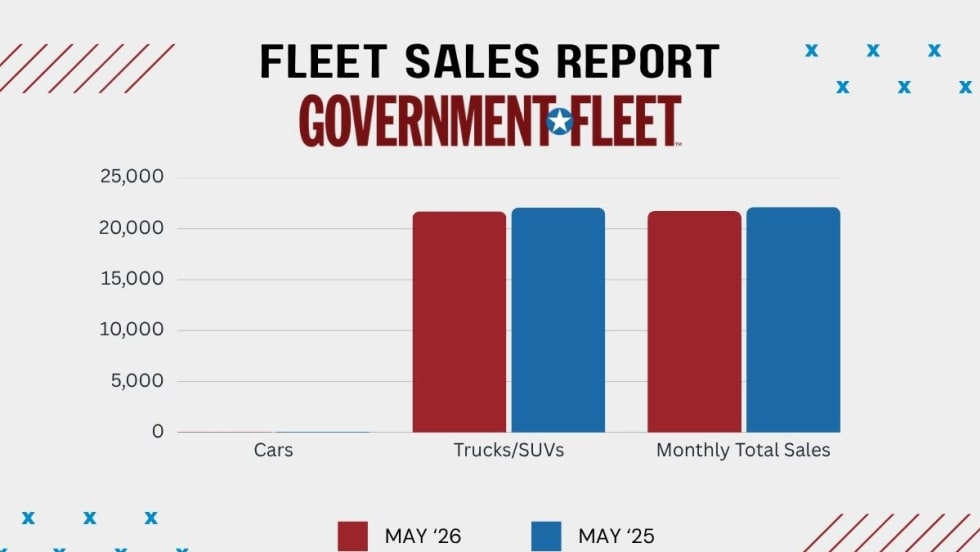
May Government Fleet Sales Slip Below 2025 Pace
Despite last month's sales increase, May vehicle numbers took a downward turn.
Read More →
April 2026 Recall Roundup: Chrysler, Lucid, & More
Are any of the vehicles in your fleet recalled? Check out the latest recalls of popular government fleet vehicles and equipment.
Read More →
Kestrel Work Truck for First Response Debuts at FDIC 2026
Morgan Olson introduced its Kestrel platform, a compact, four-wheel-drive Class 2 work truck designed for first responders, with multiple configurations, validated safety testing, and a focus on durability and fleet lifecycle performance.
Read More →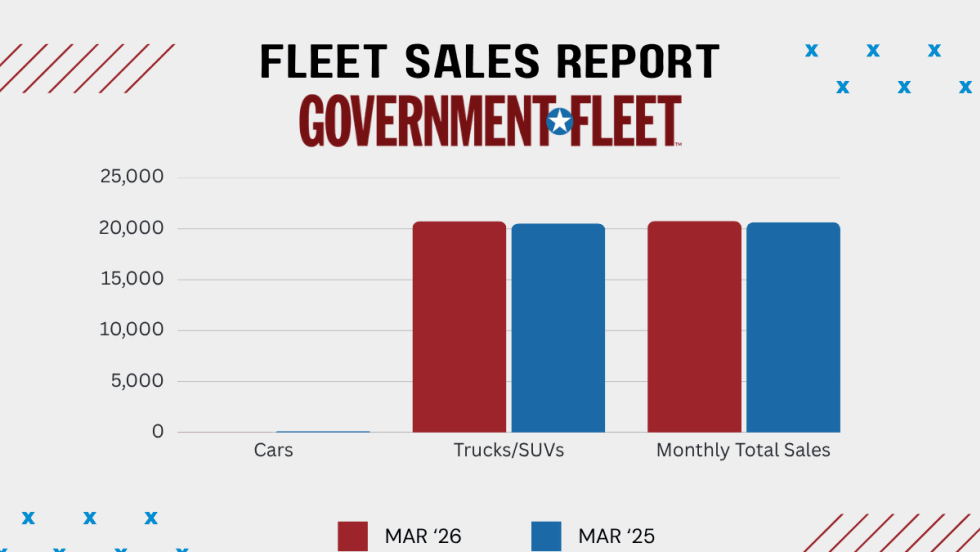
Government Fleet Vehicle Sales Rise In March
Government fleet vehicle sales increased by 1% in March, up from March 2025.
Read More →
March 2026 Recall Roundup: Ford, Kia, & More
Are any of the vehicles in your fleet recalled? Check out the latest recalls of popular government fleet vehicles and equipment.
Read More →