




Cedar Rapids Tightens Up Vehicle & Equipment Replacement Policy
CEDAR RAPIDS, IA – City staff vehicle requests will no longer be a factor in adding new vehicles to fleet, according to The Gazette.
CEDAR RAPIDS, IA – Vehicle assignments requested by city staff will no longer be met based on an individual's position with the city under the watch of Dennis Hogan, who joined the city 18 months ago as its first fleet services manager. What matters now, Hogan said, is which vehicles in the city's fleet of 900 or so most need to be replaced, based on cold, hard data, according to The Gazette.
"If I was to buy five more police vehicles just because the police wanted them, but I had to sacrifice a piece of equipment that was a maintenance nightmare, I couldn't justify that in my mind nor could I stand in front of a taxpayer and say, 'This is why I made the decision I did," Hogan said.
Hogan's arrival in city government in 2007 was the answer to a long-voiced plea from local task forces on government efficiency, which had urged the city to centralize and streamline its fleet purchasing and maintenance operation.
Hogan, who came to the city from a similar post with Alliant Energy, said the June 2008 flood slowed some of his plans even if it accelerated his goal to centralize most of the city's mechanics in one spot. The flood did that when it damaged work areas at public works, police, fire, parks, and transit.
The longer-range plan for fleet services is for the city to create a community operations center.
Putting most of the mechanics in one place means the city no longer has to outfit four or five separate garages with hoists, tools and all the rest, Hogan said.
In addition, mechanics who only worked on public works vehicles, for instance, now might get be trained to fix fire trucks and city buses, too.
Today, Hogan is responsible for vehicles and pieces of city equipment ranging from garbage trucks and road graders to police cars, fire trucks and golf course mowers.
He's cut the number of pieces from 1,010 to about 900 and is intending to get down to 850 in the next couple of years.
Hogan continues to bring on new vehicles and equipment and get rid of the old, some of which he said should have been gotten rid of years ago. Hogan is now in the process of adding 17 new Ford Crown Victoria squad cars to the Police Department and has plans to add six others. He's also bought three new sedans — Ford Focus and Chevy Cobalt models.
"Our approach is, if we're tootling around town, one person taking care of city business, a compact is the way to go," Hogan says. "It's the most efficient, it's less costly and it presents a better image to the people paying the bills."
Hogan said he's turned down plenty of requests from employees and department directors who think pickups need running boards and big tool boxes or four or six spotlights when two is enough.
The city is spending $2.3 million on vehicles and equipment this budget year and is proposing to spend $2 million in the new budget year that starts July 1.
The city also is buying all its vehicles by selling bond debt and paying them off over a number of years. The approach takes some pressure off the city's annual property-tax levy because smaller-priced vehicle purchases like pickups and squad cars aren't being paid from annual operating funds as they had been in the past.
"Those things that are truly an eyesore and not functional, we needed to process them out of the system," he added. "I want the public to look at a city of Cedar Rapids vehicle and not have their first response being, 'That's a crappy piece of equipment.'"
More Operations

ENC Unveils its ZAVIR Medium-Duty Shuttle
Two variants of the concept shuttles were revealed: a low-floor configuration and a high-floor configuration.
Read More →
Could Your Next Fleet Technician Start as an Intern?
What if your next technician hasn’t worked in a fleet shop yet? What fleets are doing to free up time.
Read More →
How Phoenix Is Building Its Next Generation of Fleet Technicians
With more than 8,000 vehicles and pieces of equipment to maintain, the City of Phoenix could not afford to wait for fully trained technicians to walk through the door. Instead, they revamped their entire workforce strategy and showed how public fleets can create their own talent pipeline while preparing existing employees for increasingly complex vehicles.
Read More →
What’s Slowing Your Fleet Down?
Could a change in how work gets done help your fleet return vehicles to service sooner?
Read More →
Can Public Fleets Trust the Data Driving Their Decisions?
Public fleets have more data than ever, but inconsistent records and missing information can still undermine maintenance, replacement, and cost decisions.
Read More →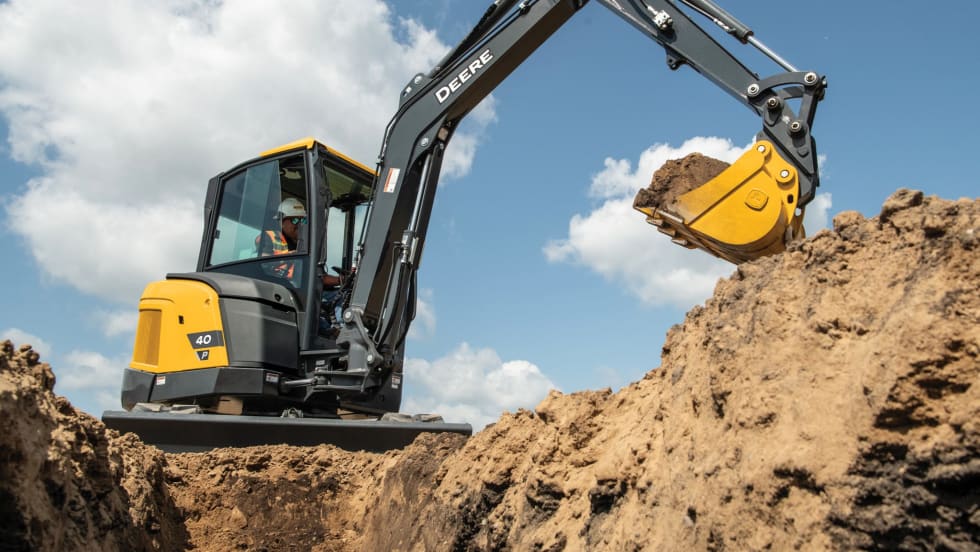
John Deere Introduces 40 P-Tier Compact Excavator
John Deere is adding a compact excavator designed for crews that need to move equipment between jobsites and handle multiple types of work with one machine. The 40 P-Tier weighs less than 10,000 pounds and offers configurable hydraulics, attachment options, and connected fleet-management capabilities.
Read More →
How Leading Fleets Improve and Why Business Plans Matter
This week, we look at what past Leading Fleet winners can teach us about making progress, plus how to build a business plan your fleet will actually use.
Read More →
Nominate a Fleet Leader for the 2027 Public Fleet Hall of Fame
Do you know a fleet leader who has made a lasting impact on the industry? Nominate this fleet professional for the 2027 Public Fleet Hall of Fame.
Read More →
Why Fleet Business Plans Need Three Perspectives
A fleet business plan should help agency leaders understand the fleet’s value, give the organization a clear direction, and establish shared expectations with customer departments.
Read More →
How Oil Analysis, Safety Technology, and Fleet Awards Drive Improvement
What happens when fleets let measured results guide their next decision?
Read More →