



Casper Seeks to Reduce City Fleet Consumption by 5%
CASPER, WY — Even before gas prices shot up, city of Casper officials had made it a goal to reduce fuel consumption by 5 percent this year, according to the Casper Star-Tribune.
CASPER, WY — Even before gas prices shot up, city of Casper officials had made it a goal to reduce fuel consumption by 5 percent this year, according to the Casper Star-Tribune. Watching its fuel budget rise from $450,000 last year to $515,000 this year, the city sought to cut back expenses with some basic conservation measures: checking frequently for appropriate tire pressure, driving slower, avoiding the interstate, and not allowing vehicles to idle as much. Now those measures seem especially wise, even as costs again threaten to shoot the budget, said Larry Gomez, fleet and street division manager. The city operates more than 600 vehicles, from garbage trucks and police cars to golf carts and the ice-rink Zamboni. They buy gas in bulk at a municipal rate, which is now $2.62 for unleaded, up from $2.25 in August. The city’s fiscal year runs from July to June, and Gomez said what once seemed like a good budget now looks low. Whether the city will have to pass a budget amendment and dip into its reserves depends on how the price of gas changes over the next 10 months, and on the weather: a dry winter would mean much less gas needed for snowplows, City Manager Tom Forslund said. The city of Cheyenne is talking about even more serious conservation measures, the Wyoming Tribune-Eagle reported Sunday. Public Works Director Jackie Smith aims to increase the fleet's fuel efficiency by 10 percent in three years, reduce fuel consumption by 10 percent in three years, and look into alternative fuels and hybrid vehicles. In Casper, the rising costs are changing how everyone, even city workers, thinks of fuel consumption, said Gomez, the fleet manager. He said the city council could look into changing its bidding process to try to buy more fuel-efficient vehicles.
More Operations

What Government Fleets Are Missing About Their True Costs
What are fleet budgets missing, and how can agencies use the data they already collect to make a stronger case for change?
Read More →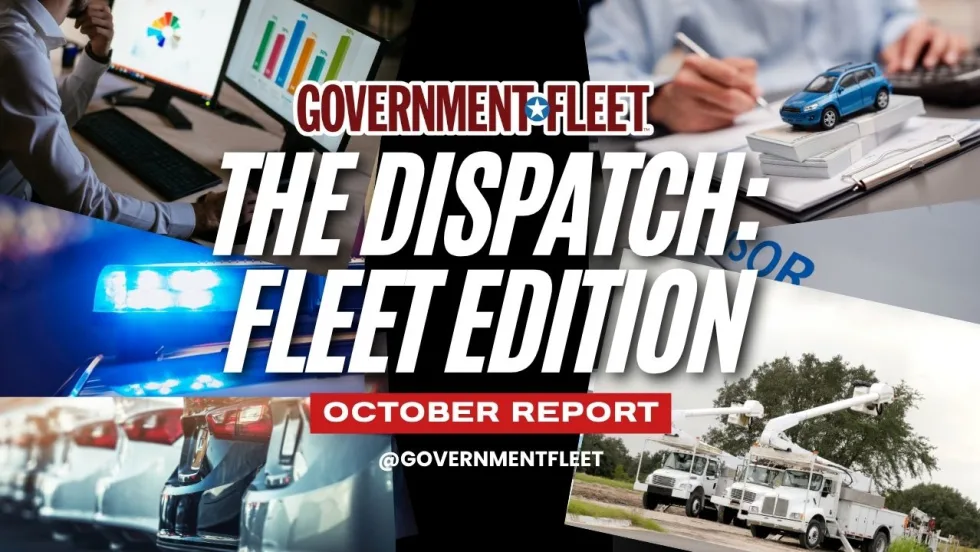
Rethinking Fleet Decisions From the Budget Office to the Shop
This October we looked back at how public fleets are reconsidering familiar processes and using what they learn to make better decisions.
Read More →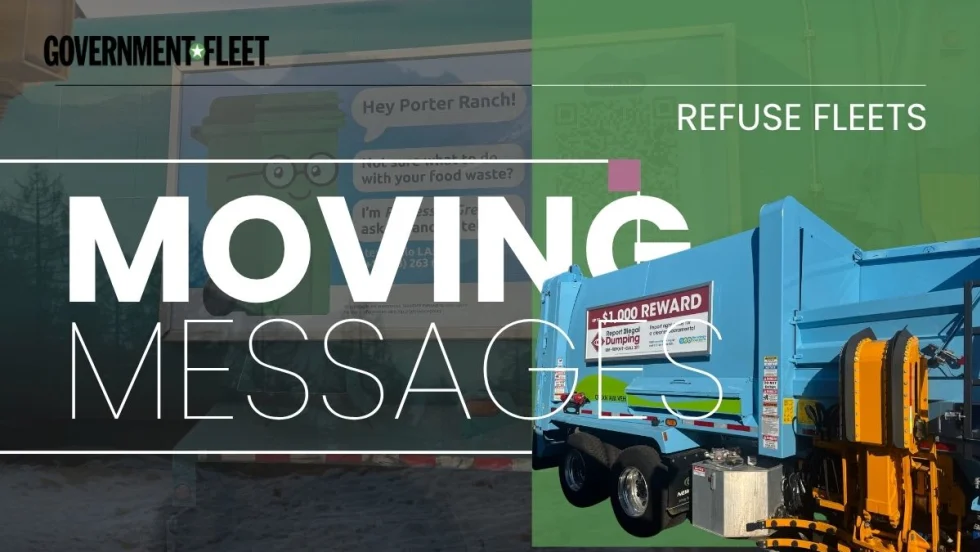
Who Owns the Message on a Refuse Truck?
Refuse trucks can carry public messages into neighborhoods, but keeping those messages current takes planning and clear responsibility.
Read More →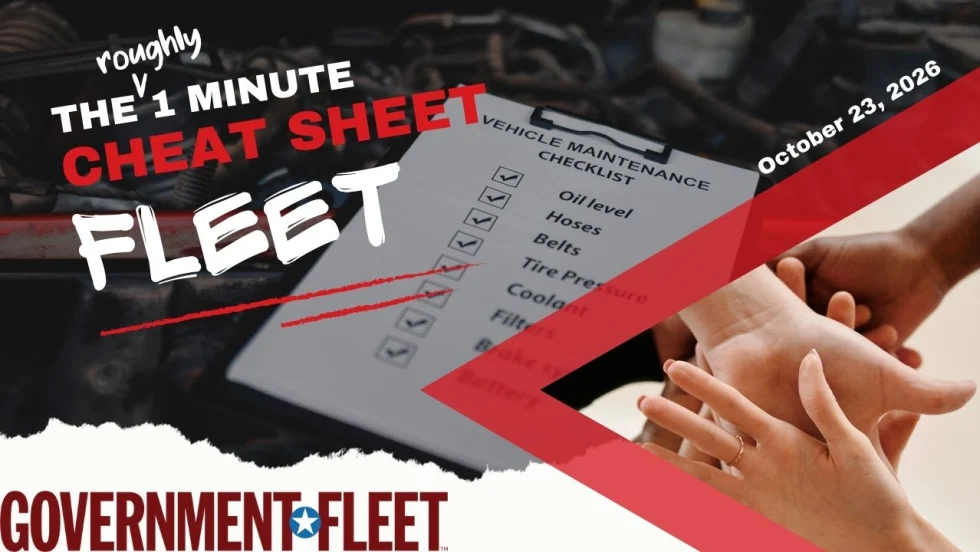
Who Deserves Fleet Recognition and What Could You Teach at GFX?
Who helped shape your fleet career, and what have you learned that could help someone else?
Read More →
What’s Haunting Public Sector Fleets?
Public sector fleet challenges rarely happen in isolation, and addressing one often means understanding how it connects to another.
Read More →
Is Keeping Older Fleet Vehicles Really Saving Money?
Is keeping vehicles longer saving money, and what happens when a diagnostic test points to the wrong fix?
Read More →
How Smart Fleet Strategy Can Help Local Government Agencies Do More with Less
Keeping a vehicle longer may ease this year’s budget, but what does it cost the next one? A closer look at fleet decisions can reveal opportunities to reduce spending while protecting essential services.
Read More →
Connect with Government Fleet on LinkedIn
From industry news and fleet management strategies to conversations with peers, Government Fleet's LinkedIn page offers public-sector fleet professionals another way to stay informed and connected.
Read More →
Town of Queen Creek Named Most Successful Fleet Award Winner of Inaugural RTA Fleet Success Awards
Five fleets were honored at RTA Connect 2026 in Chicago for excellence across resource efficiency, intentional culture, risk management, and stakeholder satisfaction.
Read More →
A buyer's guide to fleet management software in 2027
Buying fleet management software in 2027 means looking beyond features and price. As fleet operations, technology and expectations evolve, this guide explores what today’s fleet professionals should consider when choosing a system that can deliver value now and adapt to what comes next.
Read More →