




California Sets Goals to Add EVs in Significant Numbers to State Fleet
GOLETA, CA - Government Fleet magazine contacted California’s Department of General Services (DGS) to find out how State entities will go about meeting Gov. Brown's mandate that State entities increase zero-emission vehicles in their fleets.
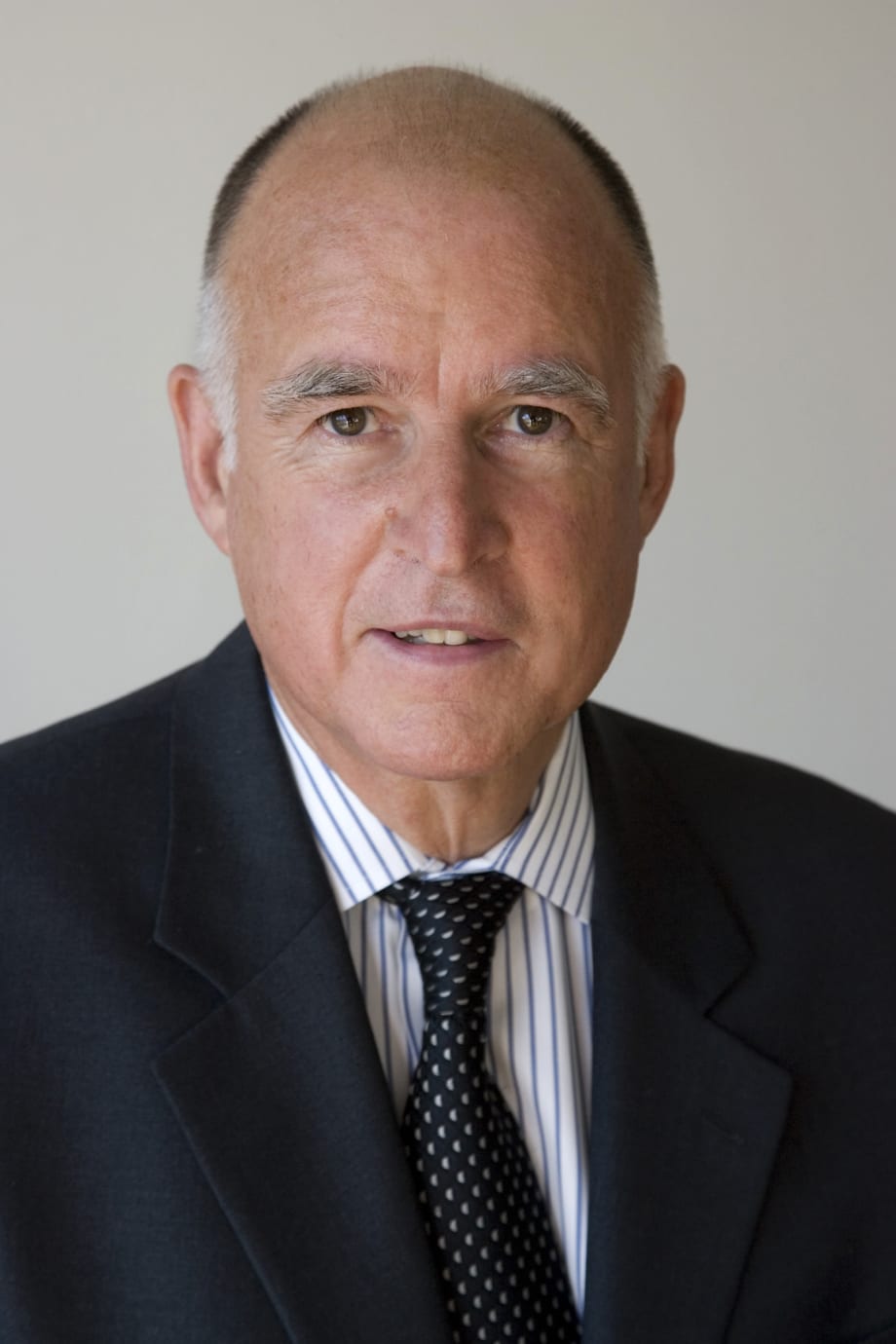
California's Governor Jerry Brown.
California's Governor Jerry Brown.
GOLETA, CA – In late March, California’s Governor Jerry Brown issued an executive order that mandates State entities increase the number of zero-emissions vehicles in each organization’s fleet. The order sets the following goals:
10% of fleet purchases of light-duty vehicles must be zero-emissions vehicles by 2015
25% must be zero-emissions vehicles by 2020
Government Fleet contacted California’s Department of General Services (DGS) to find out how State entities will go about meeting these goals and paying for them, given the current budget environment in the State.
The executive order affects a total of 140 State agencies and departments, including 23 California State University campuses and 52 District Agriculture Associations. Although budgets are tight, Eric Lamoureux, a DGS spokesperson, said there are some sources of funding for State agencies and departments, including a $2,500 CARB rebate to offset the cost of electric vehicle purchases. Although this reduces the up-front cost of electric vehicles somewhat, the State is betting on lower overall lifecycle costs, for example fuel savings, to make the economic case for these vehicles.
“It makes long-term economic sense for the state to begin integrating more electric vehicles into its fleet,” Lamoureux said. “Data from the U.S. Department of Energy shows that the purchase price of electric vehicles is higher, however their operating costs are lower over the life of the vehicle. Fuel and maintenance costs are less, ultimately resulting in a net savings to the State.”
In addition, the deadlines are still a few years out, giving State entities time to fund and procure EVs.
“Appreciating the current budget situation, the Governor has established goals that give State agencies three years to reach 10% purchasing of zero-emissions vehicles and another five years to achieve a zero emission purchasing goal of 25% by 2020,” Lamoureux said.
Given that there are other types of alternative-fuel vehicles available, Government Fleet wanted to find out the reasoning behind choosing EVs over other vehicle types. Lamoureux cited substantially reduced emissions and potentially falling costs for EVs as reasons.
“Plug-in electric vehicles lower the State’s dependence on petroleum fuels,” said Lamoureux. “A battery-electric vehicle reduces greenhouse gas emissions by 75 percent compared to a conventional gasoline vehicle. A plug-in hybrid electric vehicle with 20 miles all-electric range reduces greenhouse gas emissions by 60 percent compared to a conventional vehicle. Hydrogen electric vehicles reduce greenhouse gas emissions by a similar amount. Other alternative fueled vehicles reduce emission by a much smaller amount.”
Currently, the choice of electric vehicle for State agencies and departments on the State’s contract is limited to a single model, the Nissan Leaf. Lamoureux said DGS expects other vehicles to become available on the contract in the future.
Governor Brown already implemented an initiative to cut the State’s passenger vehicle fleet in half in 2011, so any EVs added will replace vehicles in the fleet rather than add to it.
“Most California state departments are reducing the size of their fleets due to Governor Browns Fleet Reduction Executive Order (EO B-2-11),” Lamoureux said. “Through the fleet reduction effort, DGS is replacing many older and heavily utilized vehicles with those that are newer and have less mileage. Nevertheless, there will still be the need to replace vehicles following several years of vehicle procurement moratoriums. With a smarter sized, more efficiently operated fleet, State entities should expect cost savings that may provide opportunities for the acquisition of electric vehicles.”
By Greg Basich
More Green Fleet
Sustainability Partners, Energy Systems Group Help Albuquerque Close the Gap on its 100% Renewable Energy Goal
The eight-site, 6 MW solar project has advanced the city toward 100% renewable energy for municipal operations.
Read More →
Port Authority and CALSTART Launch $45 Million Electric Truck and Charging Programs
The programs aim to boost sustainable operations across the East Coast's busiest seaport.
Read More →
Moving Government Fleets Beyond the Vehicle Purchase: EV as a Service
A discussion on how EVaaS is moving beyond pilot programs and what fleets should consider before beginning a larger deployment.
Read More →
Moving Government Fleets Beyond the Vehicle Purchase: EV as a Service
As fleets move beyond small EV pilots, Sustainability Partners CEO Adam Cain explains how EVaaS can address the infrastructure and long-term planning required for larger deployments.
Read More →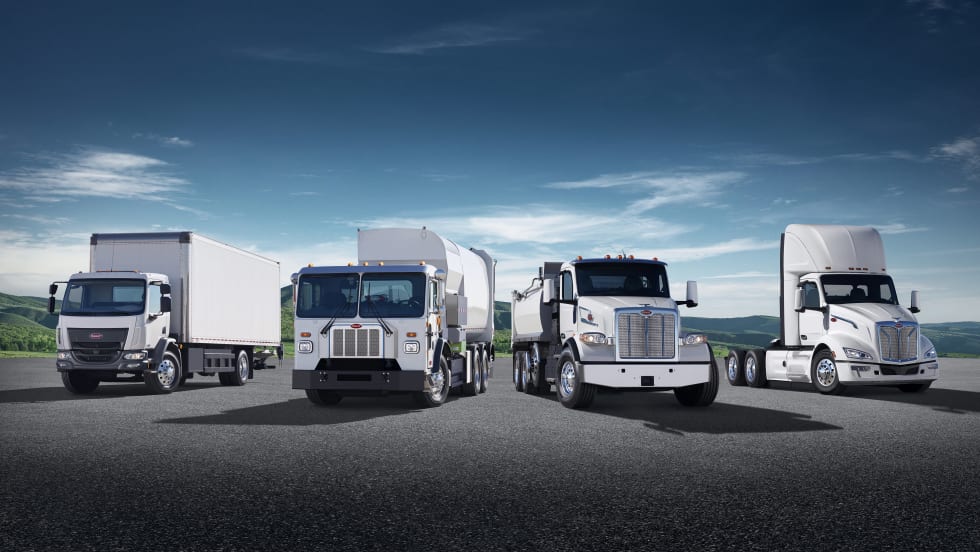
Peterbilt Expands Sourcewell Partnership with Electric Vehicle Lineup
The agreement aims to provide streamlined procurement of Peterbilt trucks for government, education, nonprofit and tribal organizations across the United States and Canada.
Read More →
EV Adoption & Charging Challenges
Where is your fleet in the journey of vehicle electrification? If you're still looking for answers to fleet electrification you've come to the right place.
Read More →
Hawaii Passes Clean Fuel Policy
Hawaii lawmakers passed clean fuel legislation that could support renewable natural gas production, biogas-powered transportation, and lower-carbon fueling options for public and commercial fleets.
Read More →
Stanislaus County Deploys Ten Beam Global EV ARC Systems to Support County Fleet Electrification
Stanislaus County deployed 10 off-grid solar-powered EV charging systems and a mobile charging trailer from Beam Global to support its electric fleet operations and emergency response flexibility.
Read More →
Heliox Pilots 480-kW Bus Charger with King County Metro
King County Metro is piloting Heliox’s new 480-kW Flex Pro charger to support expansion of its battery-electric bus fleet and depot charging infrastructure. The compact charging system supports pantograph and plug-in charging configurations for high-density transit operations.
Read More →