





Similar Content: Advanced Clean Fleets Rule Would Require Zero-Emission Truck Purchases in California
California High-Speed Rail Authority to Require Contractors Use ZEVs
The authority will now require 100% ZEVs for fleets in future infrastructure construction contracts.
April 26, 2021
2 min to read
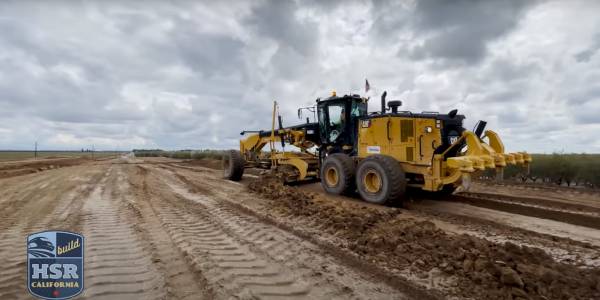
The California High-Speed Rail Authority announced April 22 it will require contractors use only zero-emission vehicles (ZEV) for their project fleets in all future construction contracts.
At the 35 active construction sites spanning 119 miles in the Central Valley, the authority mandates contractor fleets be composed of newer, more fuel-efficient model years. But, with ZEV technology improving and more options becoming available, the authority will now require 100% ZEVs for such fleets in future infrastructure construction contracts.
This implementation strategy will drive harmful emissions closer to zero and is intended to keep harmful particulates out of the air in communities with poor air quality and high rates of asthma, like many near the high-speed rail project in the Central Valley.
Additionally, the policy leverages the scale of the project to create innovation in off-road construction equipment, which has a more difficult set of parameters to get to zero emissions. The authority already mandates all such equipment meet the highest emission standard set by the U.S. Environmental Protection Agency— Tier 4. This policy has significantly reduced project emissions, eliminating 172,000 lbs. of would-be criteria air pollution to date. This implementation strategy will go further, mandating that by 2030, where feasible, 10% of off-road equipment be ZEV, not just Tier 4, at the start of a contract. It further sets the goal of 100% ZEV for such equipment by 2035, where feasible.
The authority is responsible for planning, designing, and building a 100% renewably powered high-speed rail service between San Francisco and Los Angeles and Anaheim, via the Central Valley. With the system capable of speeds above 200 miles per hour, the trip between San Francisco and Los Angeles will take under three hours.
More Green Fleet
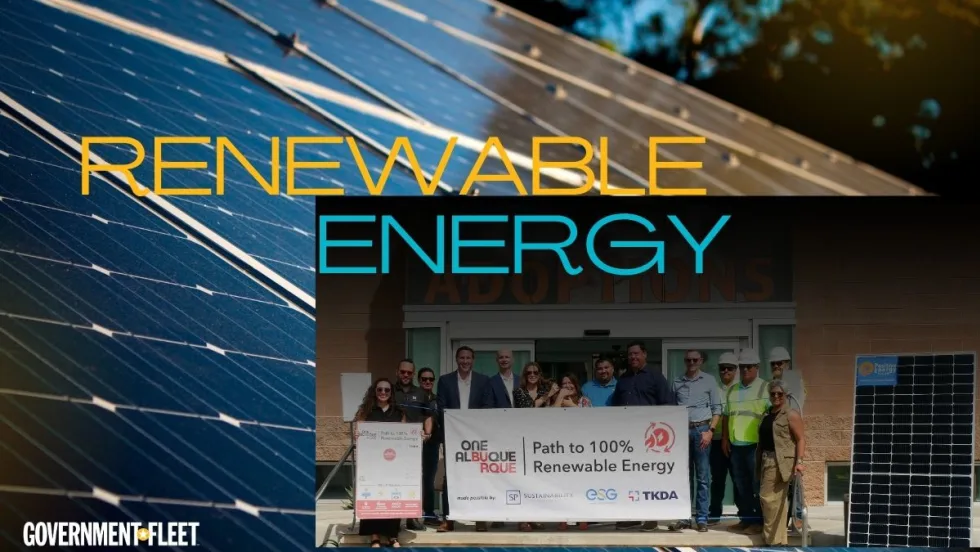
Sustainability Partners, Energy Systems Group Help Albuquerque Close the Gap on its 100% Renewable Energy Goal
The eight-site, 6 MW solar project has advanced the city toward 100% renewable energy for municipal operations.
Read More →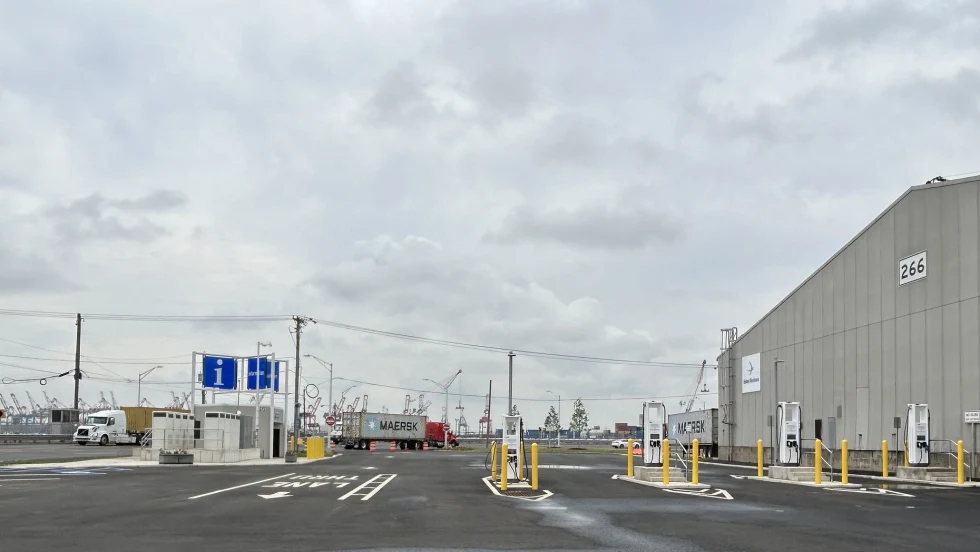
Port Authority and CALSTART Launch $45 Million Electric Truck and Charging Programs
The programs aim to boost sustainable operations across the East Coast's busiest seaport.
Read More →
Moving Government Fleets Beyond the Vehicle Purchase: EV as a Service
A discussion on how EVaaS is moving beyond pilot programs and what fleets should consider before beginning a larger deployment.
Read More →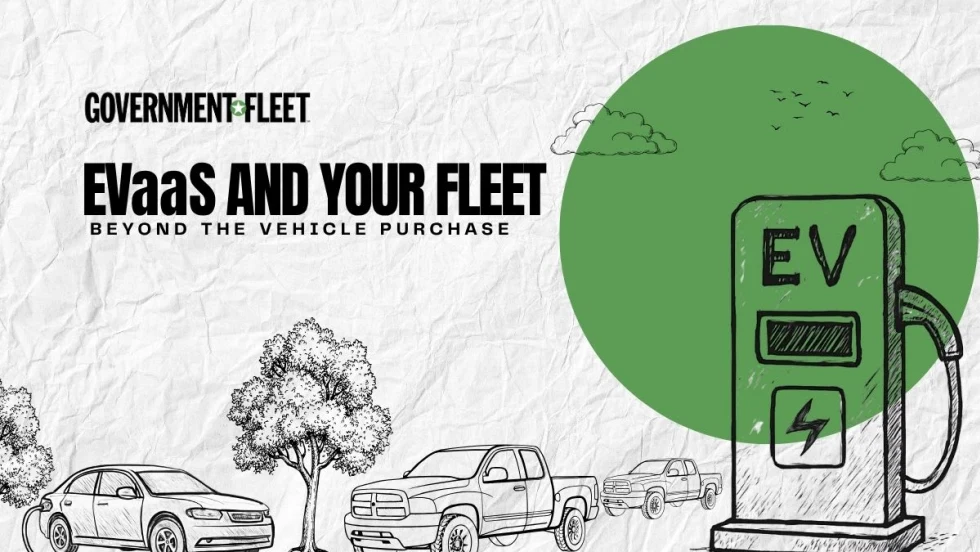
Moving Government Fleets Beyond the Vehicle Purchase: EV as a Service
As fleets move beyond small EV pilots, Sustainability Partners CEO Adam Cain explains how EVaaS can address the infrastructure and long-term planning required for larger deployments.
Read More →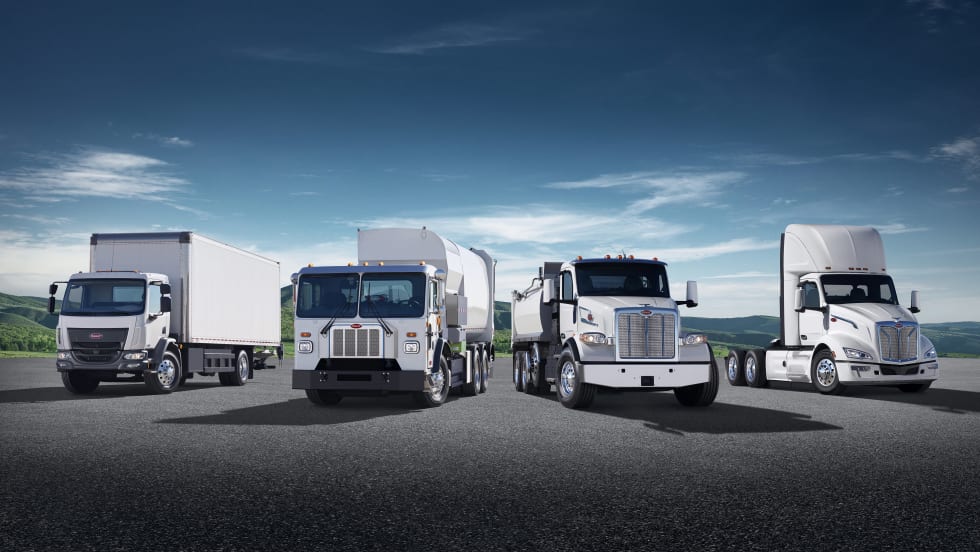
Peterbilt Expands Sourcewell Partnership with Electric Vehicle Lineup
The agreement aims to provide streamlined procurement of Peterbilt trucks for government, education, nonprofit and tribal organizations across the United States and Canada.
Read More →
EV Adoption & Charging Challenges
Where is your fleet in the journey of vehicle electrification? If you're still looking for answers to fleet electrification you've come to the right place.
Read More →
Hawaii Passes Clean Fuel Policy
Hawaii lawmakers passed clean fuel legislation that could support renewable natural gas production, biogas-powered transportation, and lower-carbon fueling options for public and commercial fleets.
Read More →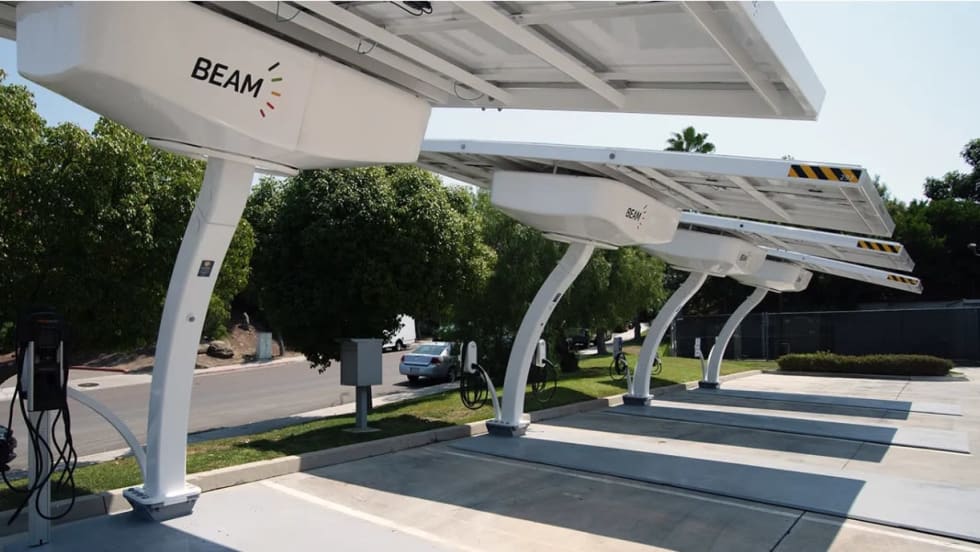
Stanislaus County Deploys Ten Beam Global EV ARC Systems to Support County Fleet Electrification
Stanislaus County deployed 10 off-grid solar-powered EV charging systems and a mobile charging trailer from Beam Global to support its electric fleet operations and emergency response flexibility.
Read More →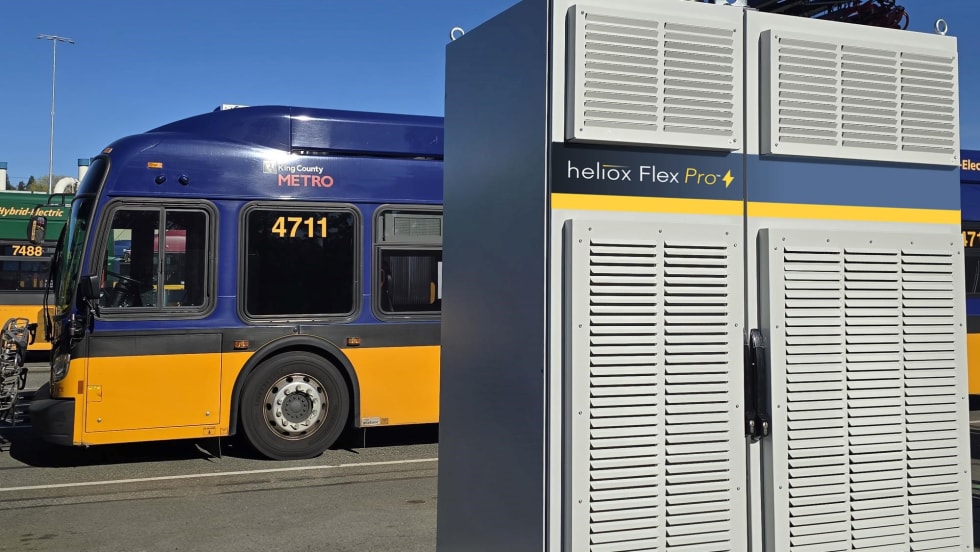
Heliox Pilots 480-kW Bus Charger with King County Metro
King County Metro is piloting Heliox’s new 480-kW Flex Pro charger to support expansion of its battery-electric bus fleet and depot charging infrastructure. The compact charging system supports pantograph and plug-in charging configurations for high-density transit operations.
Read More →