




California Government Agencies Select Networkfleet to Reduce Fuel Consumption and Lower Emissions
SAN DIEGO - Networkfleet announced that the cities of Richmond and Oakland, as well as San Diego County and the Alameda County Water District, have selected Networkfleet to reduce fuel consumption and lower vehicle emissions.
SAN DIEGO - Networkfleet, a wireless fleet management provider, announced that the cities of Richmond and Oakland as well as San Diego County and the Alameda County Water District, have selected Networkfleet to reduce fuel consumption and lower vehicle emissions. This adds to a growing list of California government agencies turning to Networkfleet to reduce fleet operating costs, including the counties of Los Angeles, San Bernardino, and Sonoma and the cities of Irvine, Napa and Glendora, among others.
With tightening budgets, government agencies are using Networkfleet to improve fleet utilization, lower operating costs, and remotely monitor engine diagnostics. This gives public fleets the ability to monitor and reduce vehicle usage. It also helps them to identify and repair engine problems early and avoid expensive repair costs.
Public fleets are also choosing Networkfleet due to its ability to reduce fuel consumption and lower greenhouse gas emissions. Networkfleet checks vehicle emissions status continuously and notifies the fleet manager immediately if there is a problem so that it can be fixed. In California, fleets can enroll in the Continuous Testing Program to eliminate physical smog checks. Networkfleet's continuous emissions monitoring, combined with the system's ability to reduce fuel usage, lower idle time, reduce vehicle speed and miles traveled, has a significant impact on reducing harmful emissions.
"State and local governments are facing serious budget shortfalls while also developing strategies to deal with the challenges of climate change. Networkfleet can assist in both these areas by reducing operating costs and lowering emissions," said Keith Schneider, president of Networkfleet. "In addition, Networkfleet is working to institute programs in other states similar to that in California so that vehicles can be smog checked continuously rather than every two years. This will help agencies in other states to reach their emission reduction goals."
More Operations
A Thanksgiving Feast of Fleet Features
This Thanksgiving, revisit five Government Fleet stories about how public fleets handled some of the year’s most familiar challenges.
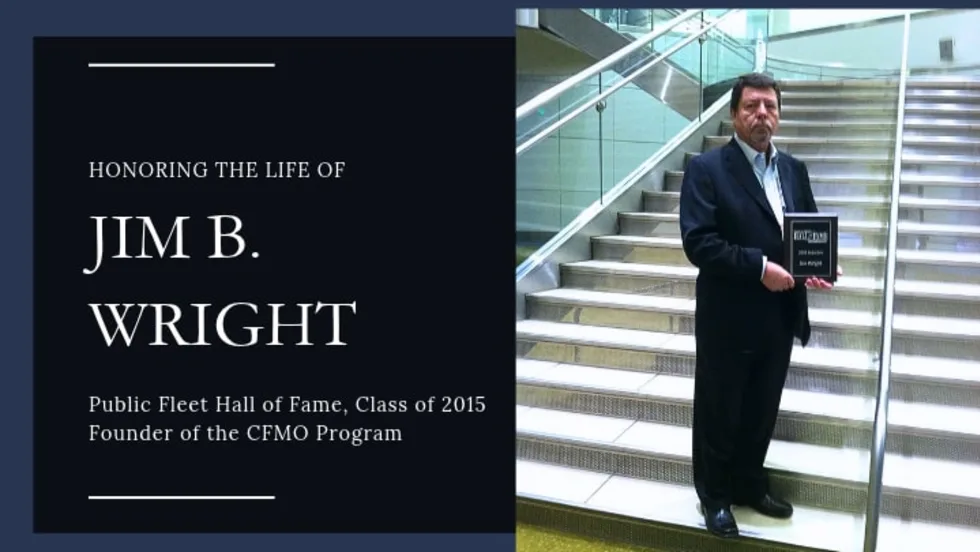
Remembering Jim Wright, Public Fleet Hall of Famer and CFMO Founder
James 'Jim' B. Wright, who founded the Certified Fleet Management Organization (CFMO) program and guided it for many years, died Wednesday evening, Nov. 18.

What Fleet Metrics Can Miss, Plus 2027 Police Vehicle Tests and Awards
What could a healthy-looking fleet metric be hiding? This week’s roundup looks at when to dig deeper, how 2027 patrol vehicles performed in preliminary tests, and how to apply for the Police Fleet Innovators Award.

What Can Disappear After a Fleet Crash?
This week, we look at drone footage, what fleets should document before repairs begin, and share a quick poll.

Does Your Government Fleet Handle Refuse and Waste Operations? Take Our Poll
Government Fleet wants to hear from public-sector fleet professionals about their responsibilities for refuse collection and waste management equipment.

Fleet Replacement Decisions, Waste Fleet Technology and the GFX Deadline
Is your next vehicle the right fit, can your records settle a missed pickup dispute, and what could your fleet teach others at GFX 2027?

Is Delaying Fleet Replacement Really Saving Money?
Could delaying replacement cost your fleet more than it saves? This week’s recap takes a closer look, plus an update on GFX 2027.

What Government Fleets Are Missing About Their True Costs
What are fleet budgets missing, and how can agencies use the data they already collect to make a stronger case for change?

Rethinking Fleet Decisions From the Budget Office to the Shop
This October we looked back at how public fleets are reconsidering familiar processes and using what they learn to make better decisions.

Who Owns the Message on a Refuse Truck?
Refuse trucks can carry public messages into neighborhoods, but keeping those messages current takes planning and clear responsibility.