





Similar Content: NTEA Adopts Climate Change Policy
California County Makes Progress Toward Emissions Goals
Improved choices for fleet, fuel, and equipment help drive the County of Marin's Climate Action Plan.
January 8, 2021
2 min to read
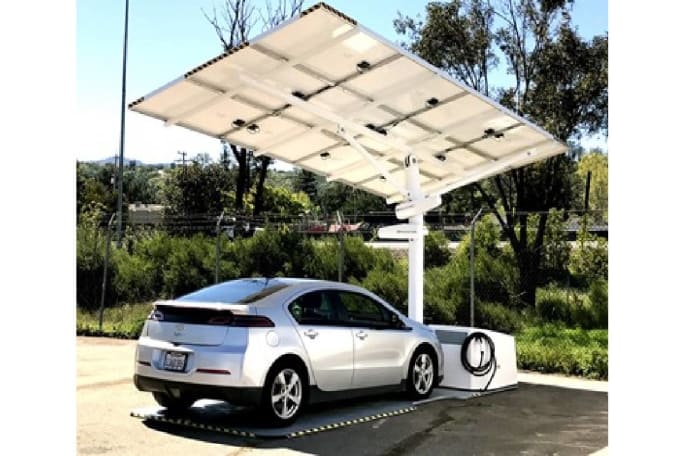
Improved choices for fleet, fuel, and equipment help drive the County of Marin's Climate Action Plan.
Photo: County of Marin
The County of Marin, California, has been committed to sustainability and environmental preservation for years and has laid out plans to make significant local improvements through the recently approved update to its Climate Action Plan. Helping drive these efforts have been changes to the county fleet vehicles and equipment, as well as recommended employee commuting practices.
What began with a single Toyota Prius purchase in 2002 led to inefficient gas-powered vehicles in the county fleet being phased out, with eco-friendly alternatives purchased whenever possible. Today, 25% of fleet is made up of hybrids, plug-in hybrids, and battery-electric vehicles (EVs).
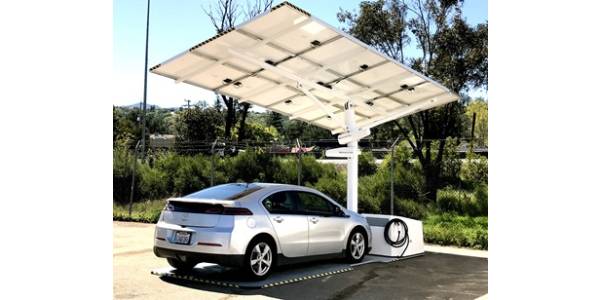
The county garage, which has used solar power since 2003, has 18 chargers for the county fleet and a portable, solar-powered charging station that can be deployed in emergency response situations. Additionally, the Department of Public Works recently installed 31 new charging stations for public use at the Civic Center, bringing the total public charging stations at the campus to 45. In all, there are 68 public charging stations at county facilities all around Marin.
Over the past 18 months, eight county-maintained fueling stations were replaced with modern fueling systems with environmental safeguards. The fueling facilities were all over 20 years old and obsolete due to unavailable maintenance parts. The new fuel systems have allowed county planners to begin assessing gasoline needs more accurately and plan future efforts to help reduce the fleet’s gasoline requirements. This includes the use of low-carbon fuel options such as renewable diesel.
The fueling stations are utilized by fleet vehicles used by various county departments, including the Marin County Fire Department, the Sheriff’s Office, and Public Works’ Road Maintenance construction vehicles and equipment. While many of the required specialty vehicles do not have hybrid or electric versions available on the market, all efforts are being taken to utilize hybrids and EV alternatives when feasible.
The shift toward zero-emissions alternatives has also influenced the equipment utilized by county staff. Departments such as Public Works and Parks & Open Space are replacing gas-powered leaf blowers, mowers, brush cutters, hedgers, saws, and other landscape equipment and small off-road engines with zero-emission options.
The County Sustainability Team, a division of the Community Development Agency, advocates for fuel-efficient vehicle purchases and promotes commute alternatives for employees. The effort helps lower the county’s carbon footprint and achieve the goals mentioned in the Climate Action Plan for 2030. While many staff members are working remotely during the COVID-19 pandemic, essential services personnel are still utilizing initiatives driven by the Climate Action Plan. That includes discounted electric vehicle charging, public transit use discounts and subsidies, flexible employee schedules to reduce traffic, more bicycle facilities, and ridesharing services (once they resume after the pandemic).
More Green Fleet
Sustainability Partners, Energy Systems Group Help Albuquerque Close the Gap on its 100% Renewable Energy Goal
The eight-site, 6 MW solar project has advanced the city toward 100% renewable energy for municipal operations.
Read More →
Port Authority and CALSTART Launch $45 Million Electric Truck and Charging Programs
The programs aim to boost sustainable operations across the East Coast's busiest seaport.
Read More →
Moving Government Fleets Beyond the Vehicle Purchase: EV as a Service
A discussion on how EVaaS is moving beyond pilot programs and what fleets should consider before beginning a larger deployment.
Read More →
Moving Government Fleets Beyond the Vehicle Purchase: EV as a Service
As fleets move beyond small EV pilots, Sustainability Partners CEO Adam Cain explains how EVaaS can address the infrastructure and long-term planning required for larger deployments.
Read More →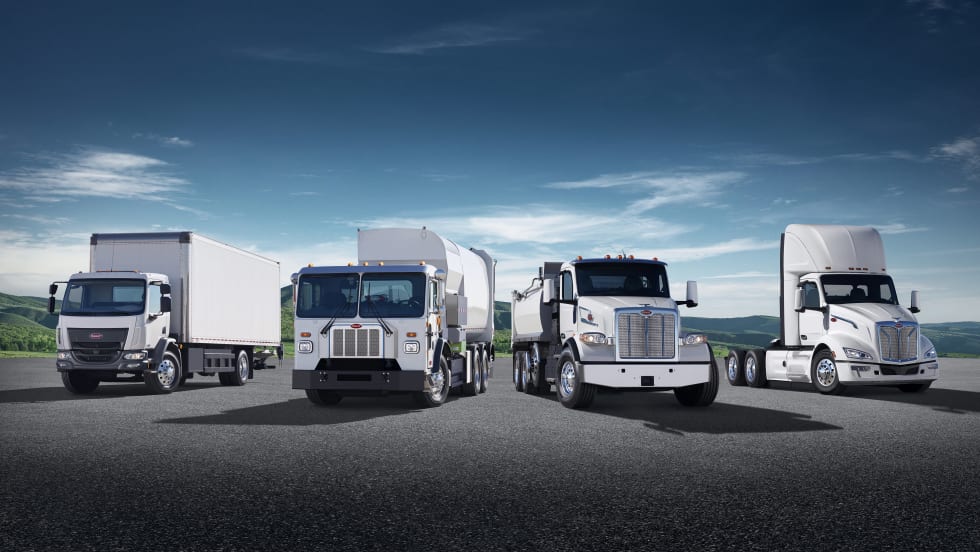
Peterbilt Expands Sourcewell Partnership with Electric Vehicle Lineup
The agreement aims to provide streamlined procurement of Peterbilt trucks for government, education, nonprofit and tribal organizations across the United States and Canada.
Read More →
EV Adoption & Charging Challenges
Where is your fleet in the journey of vehicle electrification? If you're still looking for answers to fleet electrification you've come to the right place.
Read More →
Hawaii Passes Clean Fuel Policy
Hawaii lawmakers passed clean fuel legislation that could support renewable natural gas production, biogas-powered transportation, and lower-carbon fueling options for public and commercial fleets.
Read More →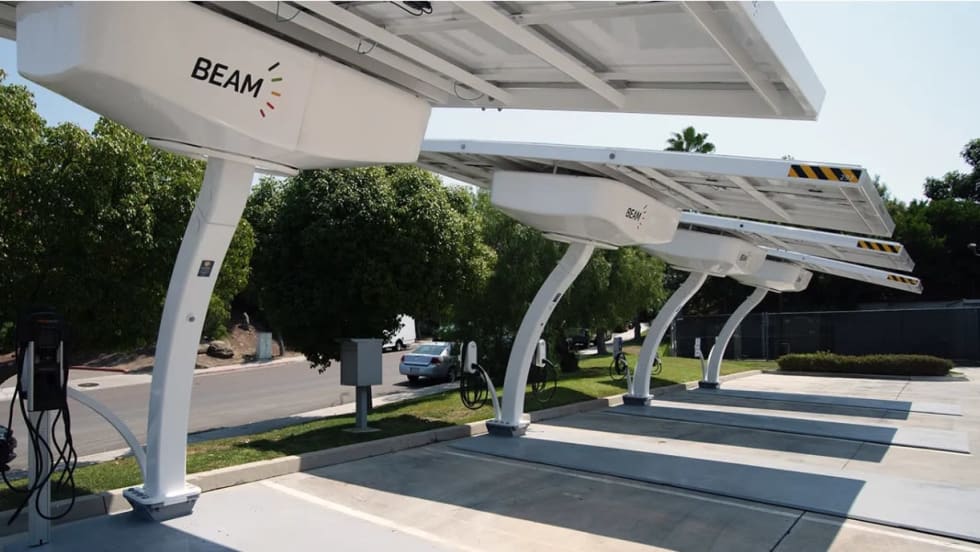
Stanislaus County Deploys Ten Beam Global EV ARC Systems to Support County Fleet Electrification
Stanislaus County deployed 10 off-grid solar-powered EV charging systems and a mobile charging trailer from Beam Global to support its electric fleet operations and emergency response flexibility.
Read More →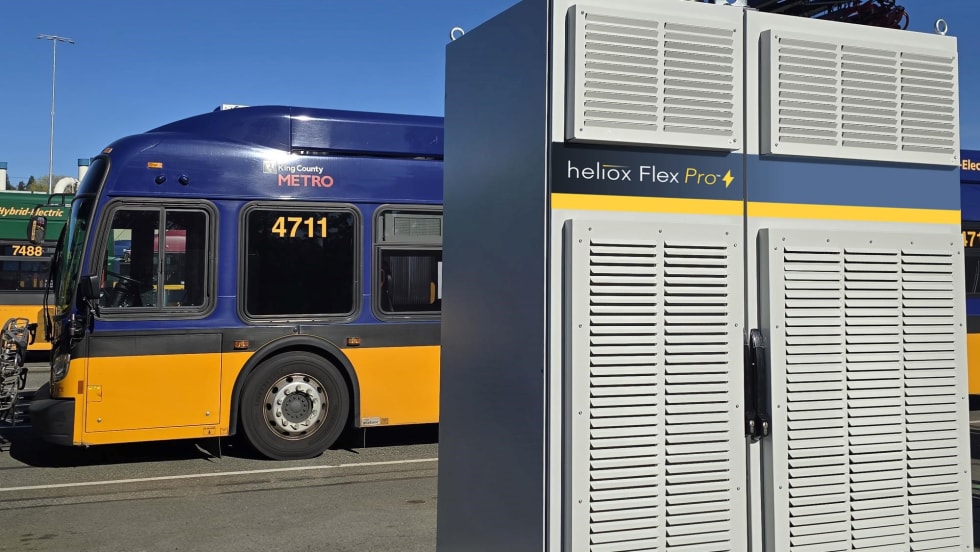
Heliox Pilots 480-kW Bus Charger with King County Metro
King County Metro is piloting Heliox’s new 480-kW Flex Pro charger to support expansion of its battery-electric bus fleet and depot charging infrastructure. The compact charging system supports pantograph and plug-in charging configurations for high-density transit operations.
Read More →