





Similar Content: Things to Consider Before Buying Drones for Your Agency
Task Force to Address California City PD Drone Privacy Concerns
Chula Vista Police's drone program was the first in the country to receive FAA approval allowing police to look at anything from above that is outside their line of sight.
August 3, 2022
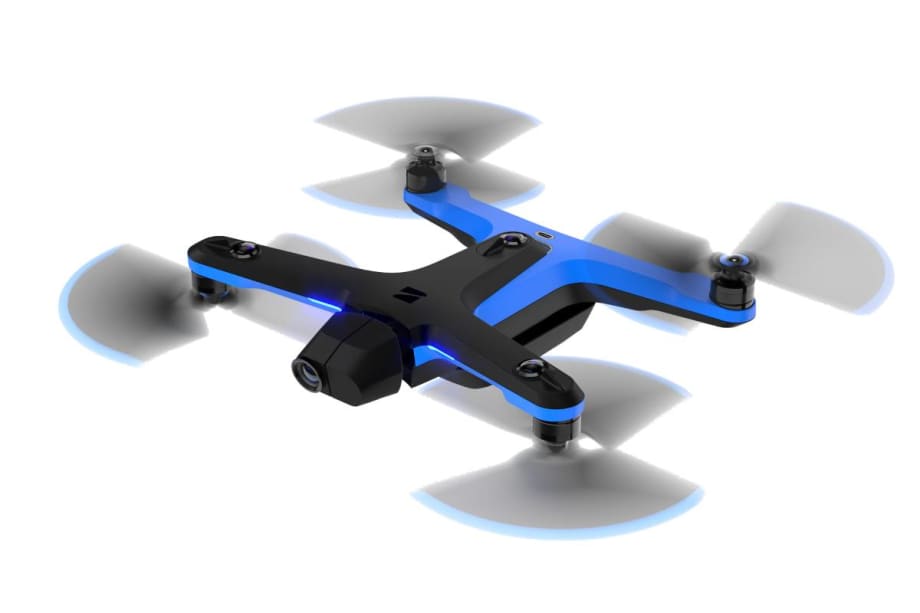
Chula Vista police officers use Skydio 2 drones, like this one, in scenarios like search and rescue missions.
Photo: Skydio
2 min to read
The city of Chula Vista, California, has created a task force aimed at setting boundaries for its police department's drone program, in operation since 2018. The program was the first in the country to receive Federal Aviation Administration (FAA) approval allowing police to look at anything from above that is outside their line of sight.
The task force is made up of 12 residents, including retired law enforcement officers and business representatives, according to CBS 8 San Diego.
The task force will present an initial policy recommendation to the city council later this year. The council then must vote on it. If adopted, they will draft a new policy with rules and regulations.
More About Chula Vista's Drone Program
The FAA authorization, in 2020, allowed Chula Vista police drone operators to use the drones in emergency scenarios just beyond visual line of sight (BVLOS) within Close Proximity of the operator and at a Low Altitude (CPLA). The waiver came after months of technical and policy development alongside Skydio, a U.S. drone manufacturer. The permissions allow officers to perform life-saving missions, such as urban search and rescue, with an operator flying beyond line of sight while staying below 50 feet in altitude above nearby obstacles like trees or buildings.
Current FAA regulations require drone operators to maintain a line of sight to their aircraft at all times to mitigate risk.
To operate Beyond Visual Line of Sight, first responder agencies must receive special permission from the FAA based on demonstrated safety measures and operational best practices. With these permissions, in rapidly evolving scenarios, first responders can safely fly their drones without being forced to maintain visual contact or wait for FAA approval.
More Police

Ford Pro Introduces Full-Size 2028 Expedition Police Responder
Ford Pro gave law enforcement customers a first look at the pursuit-rated utility during Police Fleet Expo.
Read More →
Paterson Police Expand Drone Fleet, Launch Real-Time Operations Center
The Paterson Police Department has expanded its drone program and opened a new Real-Time Operations Center designed to support emergency response and incident management. The initiative integrates multiple technologies to provide officers with real-time information during investigations and public safety operations.
Read More →
Why Public Fleet Success Depends on More Than the Vehicles
Tim Coxwell of the Leon County Sheriff’s Office discusses the projects shaping his fleet operation, including long-term work around vehicle selection, greenhouse gas emissions, and cost per mile.
Read More →
Havis Acquires Pro-gard Products
The acquisition brings together two manufacturers of public safety vehicle equipment under one company. Havis says the move expands its portfolio of products for outfitting law enforcement vehicles and other public safety fleets.
Read More →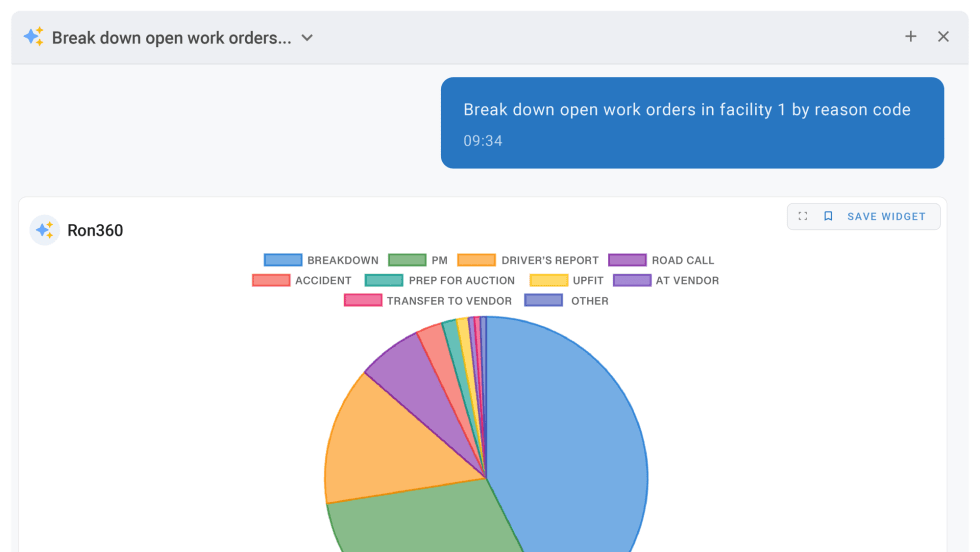
RTA Fleet Introduces AI Assistant for Fleet360 Platform
As artificial intelligence continues to gain traction across public-sector operations, fleet software providers are finding new ways to incorporate the technology into everyday workflows. RTA's latest addition aims to simplify how users interact with fleet data.
Read More →
2026 Police Fleet Innovators Named
Meet the professionals finding new ways to solve some of law enforcement's toughest fleet challenges.
Read More →
Rynse Expands Nationwide Fleet Wash Access for Law Enforcement
The North Carolina Sheriff’s Association Contract Cooperative purchasing contract aims to streamline procurement process for law enforcement agencies across the U.S.
Read More →
Maryland Natural Resources Police Adds 31-Foot Patrol Boat to Enforcement Fleet
A new addition to Maryland’s marine enforcement fleet is bringing expanded capabilities to Chesapeake Bay operations while honoring a legacy within the agency. The high-performance patrol vessel reflects how law enforcement fleets are adapting to growing demands on the water.
Read More →
LEHR Expands Florida Presence With Enforcement One Acquisition
LEHR has acquired Florida-based emergency vehicle upfitter Enforcement One, marking its eighth add-on acquisition.
Read More →
Maryland’s Wicomico County Sheriff Adds Mustang GT Patrol Vehicles
The agency is also working with the Maryland Police Training Commission on a specialized high-performance driving course for deputies assigned to the vehicles.
Read More →