




Biofuel Conversion System Offered for Truck Fleets
Optimus Technologies' Vector System enables a vehicle to run almost exclusively on pure biofuel, with diesel being used during startup and shutdown. It is designed for centrally fueled medium- and heavy-duty vehicles.
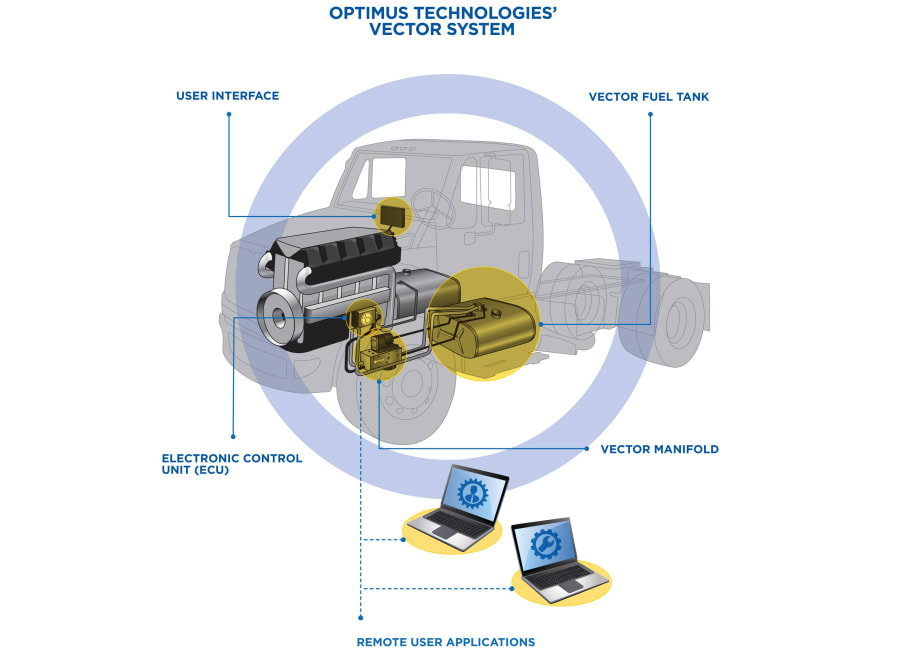
The Vector system is a bi-fuel system that runs almost exclusively on biofuel.
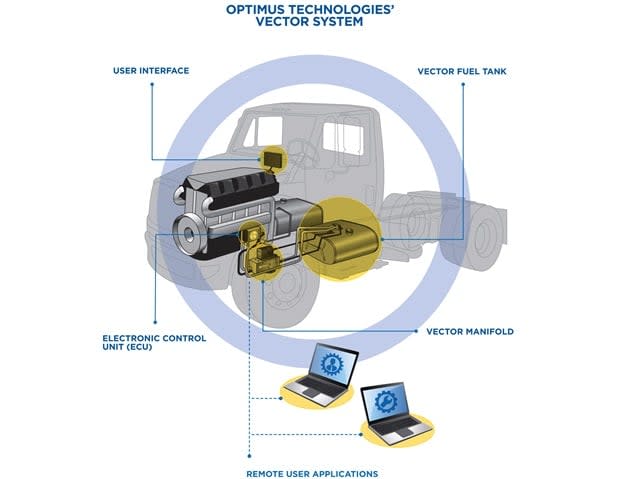
The Vector system is a bi-fuel system that runs almost exclusively on biofuel.
Optimus Technologies announced the launch of its biofuel conversion system that enables the engine to run almost exclusively on pure biofuel, with diesel being used during startup, shutdown, or fallback operation if necessary.
The Optimus Vector System is designed for medium- and heavy-duty vehicles that are fueled in a central location. Pure or straight biofuels do not have any chemical processing or additives, a contrast to biofuel blends such as E-85 ethanol, as well as B-5 and B-20 biodiesel.
The Optimus Technologies system reduces fuel costs by up to 25% due to the lower cost of biofuel and cuts emissions up to 80% in comparison to using diesel fuel, according to the company.
Built to operate in various temperature ranges, the Vector system is compatible with all modern emission after-treatment systems such as selective catalytic reduction systems (SCRs) and diesel particulate filters (DPF). Vector prices start at $9,000, and the company claims the payback time is potentially less than one year.
The City of Pittsburgh is now testing the biofuel bi-fuel system in its fleet.
"We are impressed with the Vector systems' operations, especially during this harsh winter we have had," said Paul Ostrowski, fleet contract manager of the city's Office of Management and Budget.
Ostrowski's department used the Vector system on five trucks for asphalt maintenance and snow plowing in the past few months. The vehicles fuel at a city fueling facility that dispenses both diesel fuel and biofuel from two separate tanks. This upgrade was paid for by a state grant, an Optimus representative told Government Fleet.
"We were pleasantly surprised by how easy it was to add the conversion systems and by the emission improvements they provide to our road maintenance trucks," Otrowski said.
For now, the company expects the Vector system to be used on intermediate and beyond-useful-life engines, said Colin Huwyler, CEO and founder of Optimus Technology.
"We see the day when biofuel solutions will be provided by engine manufacturers on new trucks as well," Huwyler added.
Optimus is now seeking its first certification from the U.S. Environmental Protection Agency for use with the Navistar DT466 engines between the model years 2004 and 2006. Certification and full production shipments are expected in the second quarter of 2014. Field trials, certifications, and shipments supporting other engines are planned for later this spring and summer.
Field trials are being conducted on dump trucks, day-cab tractors, and construction equipment. Optimus says the system can be successful for a range of home-fueled fleets in the commercial and government sectors including retail/wholesale delivery and transport, waste services, on-road construction, and road maintenance vehicles.
Although the system will not be available for purchase until after EPA certification, fleets may pilot the system at any time. Optimus will assist potential customers with locating biofuel providers in their areas.
More Green Fleet
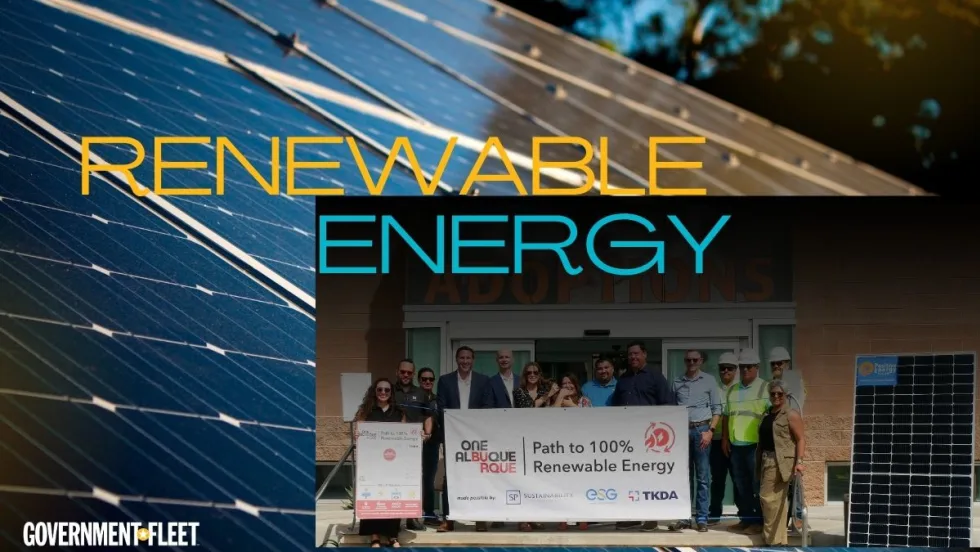
Sustainability Partners, Energy Systems Group Help Albuquerque Close the Gap on its 100% Renewable Energy Goal
The eight-site, 6 MW solar project has advanced the city toward 100% renewable energy for municipal operations.
Read More →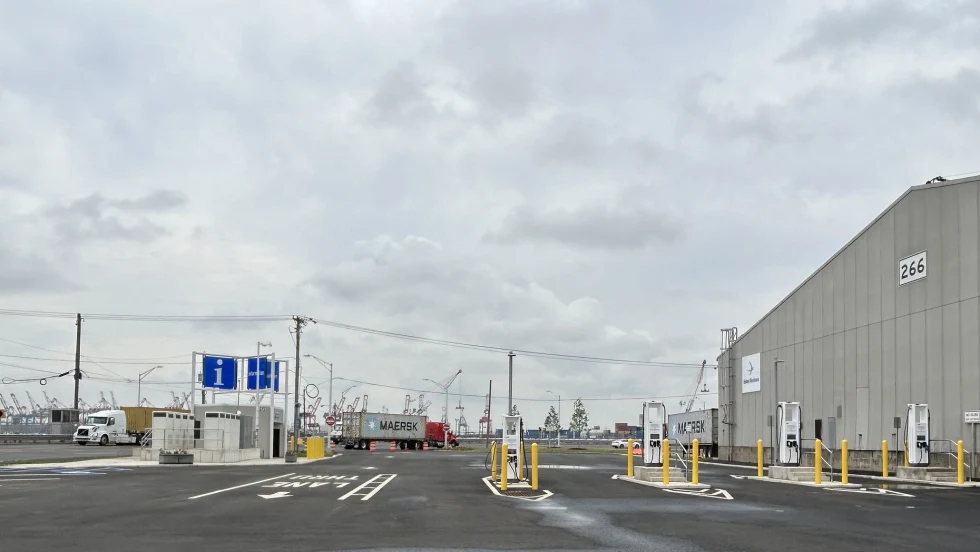
Port Authority and CALSTART Launch $45 Million Electric Truck and Charging Programs
The programs aim to boost sustainable operations across the East Coast's busiest seaport.
Read More →
Moving Government Fleets Beyond the Vehicle Purchase: EV as a Service
A discussion on how EVaaS is moving beyond pilot programs and what fleets should consider before beginning a larger deployment.
Read More →
Moving Government Fleets Beyond the Vehicle Purchase: EV as a Service
As fleets move beyond small EV pilots, Sustainability Partners CEO Adam Cain explains how EVaaS can address the infrastructure and long-term planning required for larger deployments.
Read More →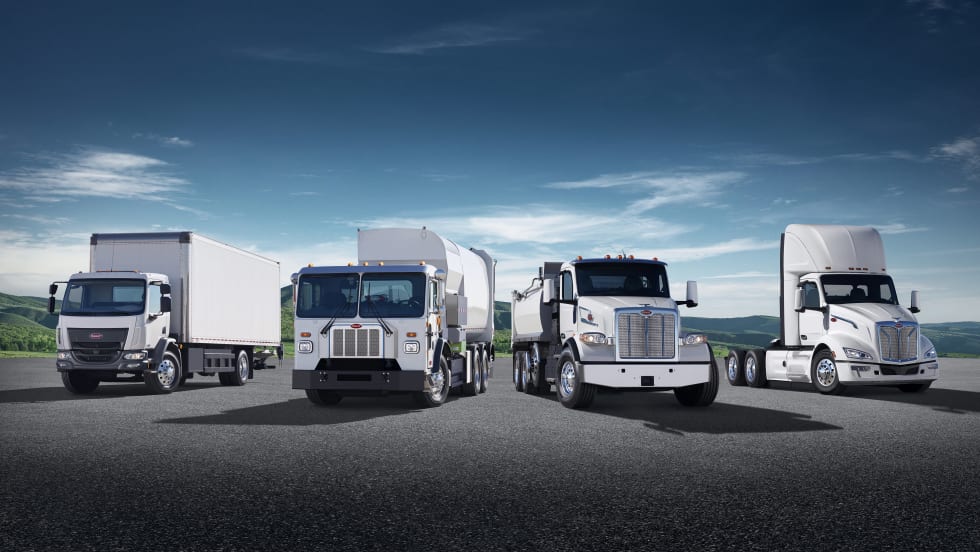
Peterbilt Expands Sourcewell Partnership with Electric Vehicle Lineup
The agreement aims to provide streamlined procurement of Peterbilt trucks for government, education, nonprofit and tribal organizations across the United States and Canada.
Read More →
EV Adoption & Charging Challenges
Where is your fleet in the journey of vehicle electrification? If you're still looking for answers to fleet electrification you've come to the right place.
Read More →
Hawaii Passes Clean Fuel Policy
Hawaii lawmakers passed clean fuel legislation that could support renewable natural gas production, biogas-powered transportation, and lower-carbon fueling options for public and commercial fleets.
Read More →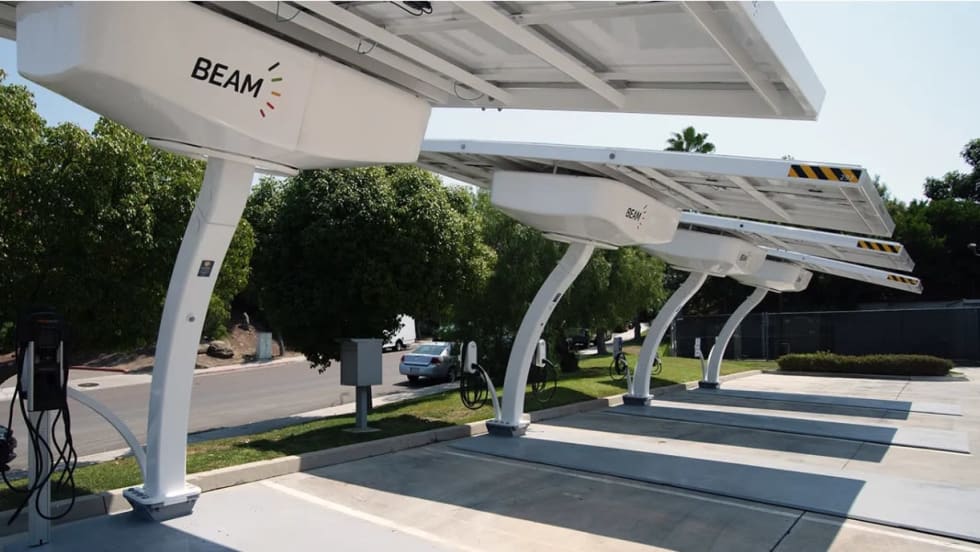
Stanislaus County Deploys Ten Beam Global EV ARC Systems to Support County Fleet Electrification
Stanislaus County deployed 10 off-grid solar-powered EV charging systems and a mobile charging trailer from Beam Global to support its electric fleet operations and emergency response flexibility.
Read More →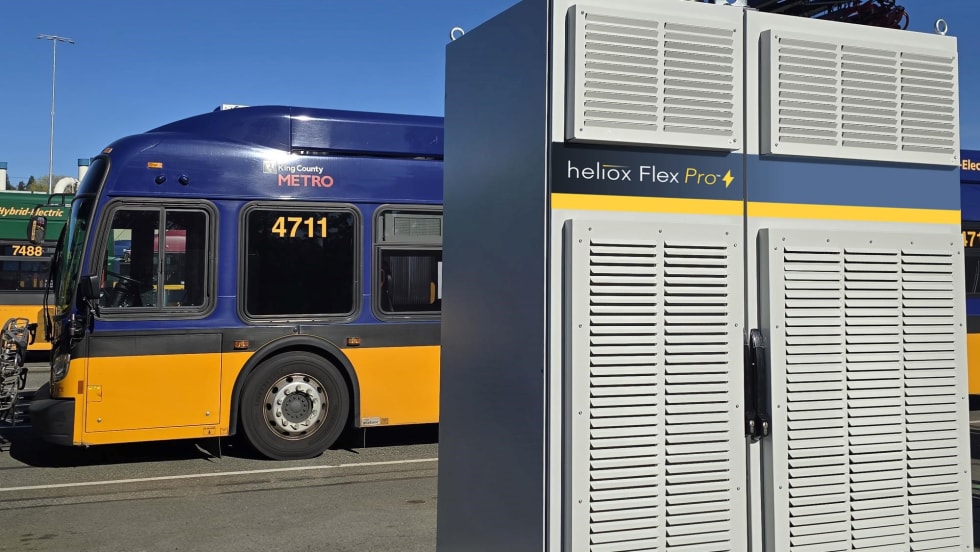
Heliox Pilots 480-kW Bus Charger with King County Metro
King County Metro is piloting Heliox’s new 480-kW Flex Pro charger to support expansion of its battery-electric bus fleet and depot charging infrastructure. The compact charging system supports pantograph and plug-in charging configurations for high-density transit operations.
Read More →