




Audit: New Orleans Must Improve Fuel Controls
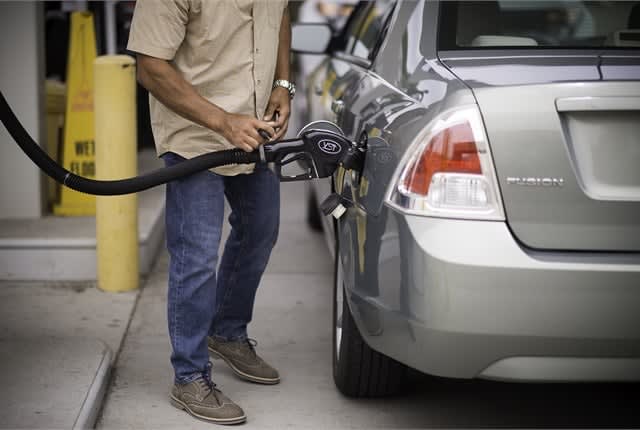
The City of New Orleans needs to improve oversight of its fuel dispensing program, an audit from the city’s Office of Inspector General found. The audit found the city could not reliably track fuel use or determine who was using fuel, in what quantities, and for which vehicles.


File photo by Vince Taroc.
File photo by Vince Taroc.
The City of New Orleans needs to improve oversight of its fuel dispensing program, an audit from the city's Office of Inspector General found. The audit found the city could not reliably track fuel use or determine who was using fuel, in what quantities, and for which vehicles because the fuel management system wasn't being used properly.
It recommended that the city reissue fuel cards and PINs, develop an effective way to inventory and deactivate cards and PINs, require drivers to enter accurate odometer readings when fueling, and train vehicle coordinators to identify and investigate suspicious fuel transactions.
The city spent approximately $3.2 million on more than 1.6 million gallons of fuel in 2015. This fuel was used by 33 departments and agencies and dispensed in four main fueling facilities and 12 smaller sites with no electronic monitoring devices. Emergency responders — including Police — used more than 50% of the total gallons dispensed.
Auditors found that fuel cards, assigned to each vehicle, were being shared among vehicles, and fuel cards were not deactivated when vehicles were removed from service. Vehicle coordinators within user departments did not participate in attempts to identify cards that needed to be deactivated. Sharing fuel cards and failing to deactivate fuel cards prevented the city from identifying suspicious transactions and monitor vehicle performance, the Inspector General’s report stated.
While cards identify the vehicle, PINs identify the driver obtaining the fuel, which allows monitoring of individual fuel use when vehicles are shared across multiple users. Fuel users broke policy by sharing PINs, with some departments using one PIN for all its drivers. Oftentimes, PINs were also written on fuel card envelopes stored in shared vehicles, and PINs were also seen written on a sign attached to the fuel terminal. The city did not have a process to identify and deactivate PINs of users who were no longer employed there.
Drivers often input incorrect odometer readings into the system, preventing the city from getting accurate fleet data. Evaluators found that almost 28% of Police Department fuel transactions in 2015 had improbable odometer readings.
Fuel coordinators within user departments did not review reports sufficient to identify suspicious transactions, prompting auditors to call for training.
Auditors also found that the city did not effectively monitor fuel use at its non-automated fueling locations; they recommended the city repair its broken fuel dispensing counters.
In a written response to the audit, Andrew Kopplin, first deputy mayor and chief administrative officer, agreed with all the audit recommendations.
More Fuel

Clean Energy to Build Hydrogen Station for Orange County Transportation Authority
The new station will support the agency’s growing fleet of zero-emission hydrogen fuel cell buses.
Read More →
How Fleet Managers Reduce Fuel Waste and Protect Budgets
When fuel prices swing, fleet averages don’t tell the whole story. This white paper helps fleet and operations leaders uncover where fuel waste really hides and what data they need to build a smarter, more resilient fuel strategy.
Read More →
Planning for Future Technologies: Hydrogen and Beyond
As public agencies work to cut emissions from off-road operations, fleets are turning to a mix of renewable fuels, hybrid systems, battery-electric equipment and emerging hydrogen technology.
Read More →
RoadFlex Expands Fuel Network with Refuel Partnership
RoadFlex expands its fueling network for public sector fleets through a new partnership with Refuel, adding more than 250 locations across the Southeastern U.S. to improve access, savings, and efficiency.
Read More →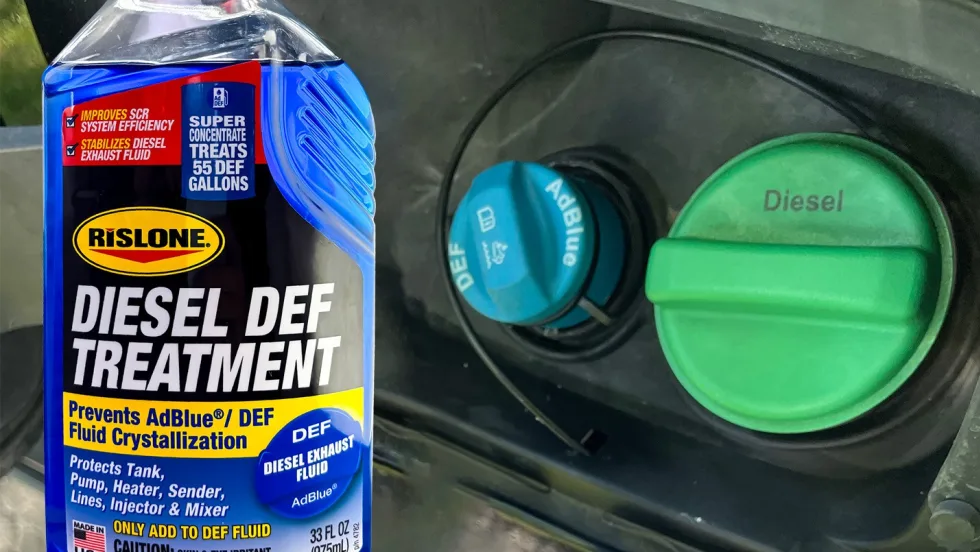
Rislone DEF Treatment Designed to Keep Diesel Exhaust Fluid Crystal-Free
Rislone is rolling out a super-concentrated version of its Diesel DEF Treatment that is designed to stabilize and improve diesel exhaust fluid.
Read More →
Are Bi-Fuel Propane Autogas Vehicles Making Law Enforcement Fleets More Resilient, Cost-Effective?
How a Florida sheriff office’s choice in fuel system led to a healthier budget, increased resiliency, and decreased emissions.
Read More →
Fleets All-In On Fuel Management Tech
Fuel management can become a tricky obstacle, but smart strategies and new tech have turned it into a well-oiled machine where price prediction is art, and cost control is science.
Read More →
Prepare Diesel Trucks for Winter with Diesel Exhaust Fluid
Understand proper DEF purchasing, handling, and storage practices in order to meet regulatory requirements and operates at peak performance.
Read More →
Diesel Exhaust Fluid (DEF) Locator
Yara, a diesel exhaust fluid (DEF) producer, offers a DEF locator website to help get the fluids fleets need.
Read More →
Gas vs. Diesel: The Bad Investment Only Fleet Managers Know About
A major point of debate in fleet management is using diesel vs. gas cars and trucks. Choosing to purchase gasoline engines instead of diesel ones for medium-duty trucks may be an unpopular decision, but is it the right one?
Read More →