




As Costs Rise, Cities Move to Curb Take-Home Vehicles
BOSTON - With gas at $4 and change, at least five of the North region’s largest municipalities are looking to curb the use of take-home vehicles and other city-owned autos.
BOSTON - With gas at $4 and change, at least five of the North region’s largest municipalities are looking to curb the use of take-home vehicles and other city-owned autos, according to www.boston.com.
Haverhill appears to be leading the way, though not without a struggle.
Mayor James Fiorentini recently ordered a 15-percent cutback to his city’s fleet of take-home vehicles — there are roughly 60 — and is asking bosses to provide written justifications for the employees who say they must have a car at all times. The city plans to whittle at least 11 take-home cars from
Haverhill’s fleet, including five vehicles used by the Police Department and four cars used by meter readers.
The 12 cars the city’s DPW director would like to keep are vehicles used by a DPW foreman, plumbers, engineers, and others who are on-call 24 hours a day.
In addition to reducing the city fleet, Fiorentini said that gas usage in city-owned cars will be monitored with GPS units, and that no city-owned car will be allowed outside Haverhill except on city business. Employees have been instructed to reduce how often they allow cars to idle, to check frequently for adequate tire pressure, and to figure out the most efficient way to get from one point to another.
Malden, Peabody, Revere, and Salem also are looking at how to put the brakes on their fleets.
More Operations
How Oil Analysis, Safety Technology, and Fleet Awards Drive Improvement
What happens when fleets let measured results guide their next decision?
Read More →
Emergency Response, Fleet Sales and New Technology
This week’s fleet news covers emergency preparedness, shifting vehicle sales, electric truck investments, and new tools for monitoring road conditions.
Read More →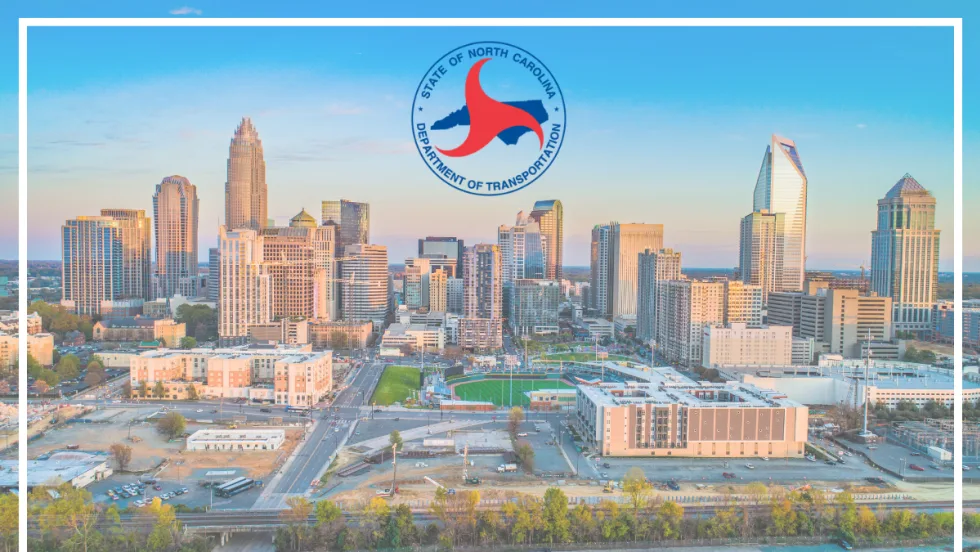
NCDOT Adds Dash Cam Imagery to Statewide Traffic Monitoring
North Carolina transportation officials are adding another set of eyes to roads that aren't covered by fixed traffic cameras. A statewide deployment gives NCDOT access to on-vehicle imagery to verify conditions during work zones, severe weather, emergencies, and other traffic events.
Read More →
Turning a Bottleneck Into a Blueprint: How Tallahassee Rethought Police Fleet Readiness
For Tallahassee, finally receiving 87 delayed police cruisers created a new problem: how to get them on the road without creating a massive backlog. The solution would change more than the upfit process.
Read More →
AI, Police Fleet Readiness and Fire Apparatus News
See how AI, a reworked police-vehicle upfitting process, and a fire apparatus acquisition could affect public fleet operations.
Read More →
How AI and Automation Work Together to Reduce Government Fleet Downtime
As their assets age and their budgets’ purchasing power shrinks, government fleet managers are facing growing pressure to do more with less.
Read More →
Police Fleet Innovation, EV Strategy and AI
See how public fleets are rethinking police vehicle readiness, electrification, workplace culture, and driver workflows.
Read More →
From What He Inherited to What He’ll Leave Behind: David Renschler’s Lessons in Leadership
David Renschler walked into Fairfield with plenty to learn and no idea what awaited him. Twenty years later, the lessons from what came next are still shaping his approach to fleet.
Read More →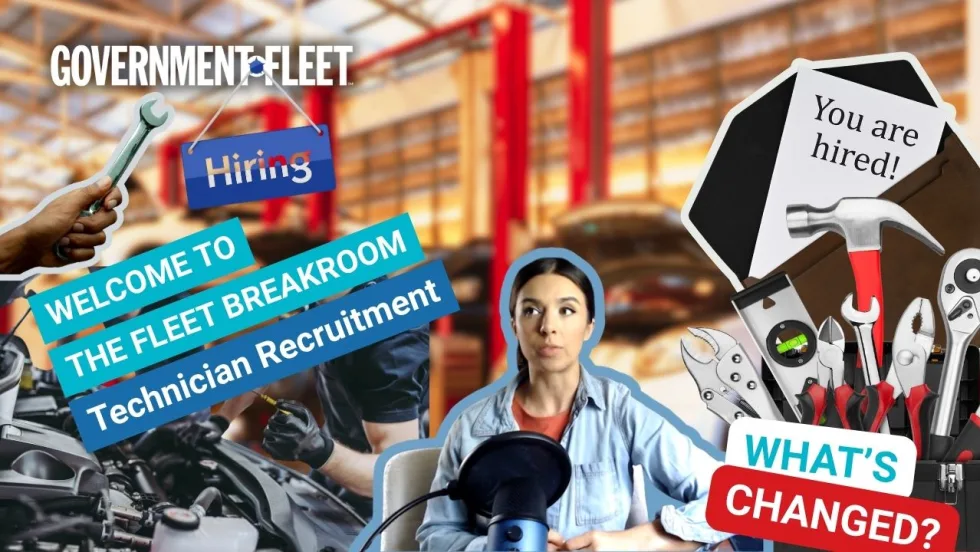
Have Fleets Changed Enough to Solve the Technician Shortage?
Are government fleets finally closing the gap on the technician shortage, or are critical challenges still holding them back?
Read More →
How Public Fleets Are Rethinking Vehicles, EVs, and Culture
From mission-specific vehicles to EV planning and culture change, this week’s stories show how public fleets are rethinking the way they operate.
Read More →