




Ariz. City Transforms Fleet for Improved Accountability
The City of Buckeye, Ariz., recently obtained its Certified Fleet Management Operation (CFMO) certification following a multi-year transformation that allowed the division to become more accountable.
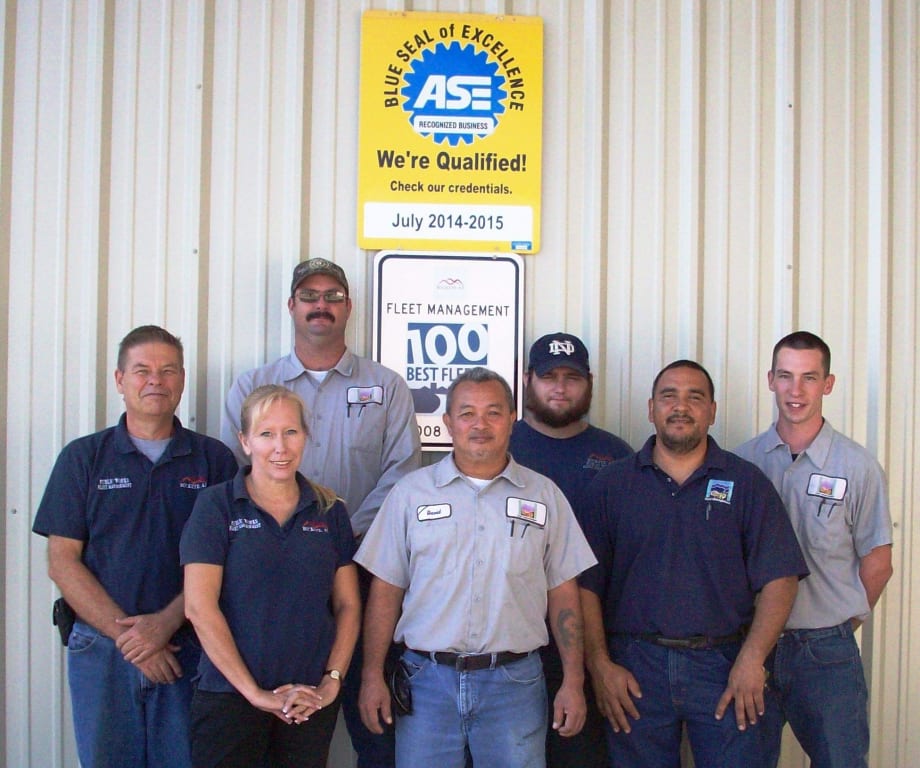
The Buckeye fleet team consists of: (front row l-r) Teri Qualls, fleet coordinator; David Dydasco, fleet general technician; Filiberto Chavira, fleet supervisor; and (back row l-r) Mike DePaulo, fleet manager; Garrett Griffin, master emergency vehicle technician; Chris Evans, fleet intern; and Pat Buchanan, fleet general technician. Photo courtesy of City of Buckeye
The Buckeye fleet team consists of: (front row l-r) Teri Qualls, fleet coordinator; David Dydasco, fleet general technician; Filiberto Chavira, fleet supervisor; and (back row l-r) Mike DePaulo, fleet manager; Garrett Griffin, master emergency vehicle technician; Chris Evans, fleet intern; and Pat Buchanan, fleet general technician. Photo courtesy of City of Buckeye
The City of Buckeye, Ariz., recently obtained its Certified Fleet Management Operation (CFMO) certification from the Government Fleet Management Alliance (GFMA) following a multi-year transformation that allowed the division to become more accountable.
Michael DePaulo, CPFP, fleet manager, joined the city fleet in 2006 before it had a strong fleet program, and the division has been working on certification since 2008. By using the CFMO checklist and acquiring knowledge through fleet conferences and meetings, staff members have established a fleet management committee made up of user departments, utilization criteria, a vehicle replacement policy, standard operating procedures, business plan, and service level agreements with customers, DePaulo said.
In addition, through better tracking and process improvements, the fleet has been able to make and achieve its goals. For fiscal-year 2013-14, these include fleet availability of 98% (goal of 96%), preventive maintenance compliance of 95.1% (goal of 95%), customer satisfaction rate of 100% (goal of 98%), billable hours at 79% (goal of 78%), and one-day turnaround of 93% (goal of 70%).
“By following [the CFMO checklist], it helped us meet or exceed our goals and made us accountable,” he said. “When you’re accountable, you’re credible.”
Staff members were able to call Jim Wright, associate director of the GFMA and president of Fleet Counselor Services, for guidance throughout the certification process. One of the projects Wright worked on for the fleet was determining lifecycle costs of certain classes of vehicles using historical data and using it to determine vehicle replacement schedules.
The success of the fleet transformation is the result a manager open to trying new ideas and staff members who truly care about customer service, DePaulo said. “We have a good organization, from the top to bottom, from our public works director to the people who work for me,” he said.
The city fleet consists of about 350 units and staff of 6 full-time employees and one part-time intern. The fleet has been an ASE Blue Seal shop for seven years.
Other recent CFMOs include the City of Portland, Ore., City of Anaheim, Calif., and City of Austin, Texas.
More Operations
What Can Disappear After a Fleet Crash?
This week, we look at drone footage, what fleets should document before repairs begin, and share a quick poll.
Does Your Government Fleet Handle Refuse and Waste Operations? Take Our Poll
Government Fleet wants to hear from public-sector fleet professionals about their responsibilities for refuse collection and waste management equipment.
Fleet Replacement Decisions, Waste Fleet Technology and the GFX Deadline
Is your next vehicle the right fit, can your records settle a missed pickup dispute, and what could your fleet teach others at GFX 2027?
Is Delaying Fleet Replacement Really Saving Money?
Could delaying replacement cost your fleet more than it saves? This week’s recap takes a closer look, plus an update on GFX 2027.

What Government Fleets Are Missing About Their True Costs
What are fleet budgets missing, and how can agencies use the data they already collect to make a stronger case for change?
Rethinking Fleet Decisions From the Budget Office to the Shop
This October we looked back at how public fleets are reconsidering familiar processes and using what they learn to make better decisions.
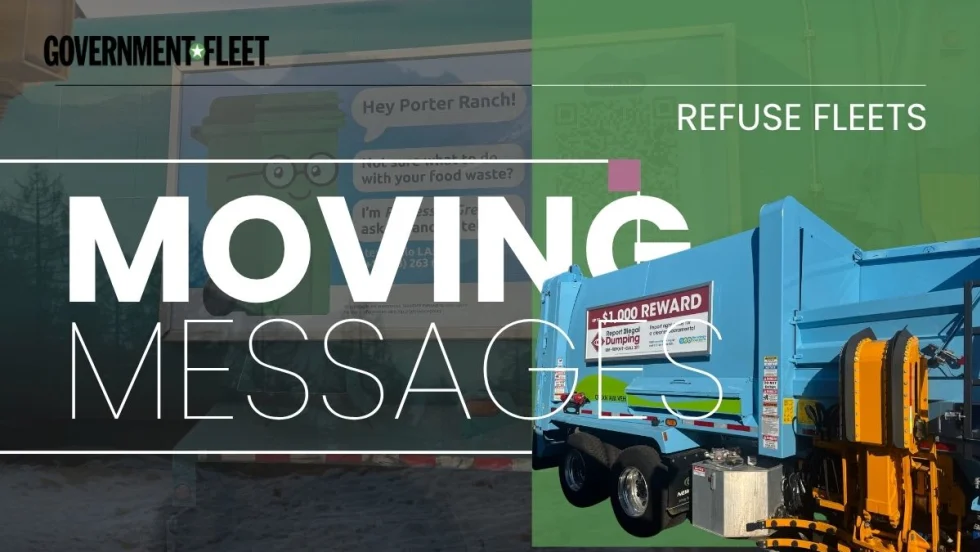
Who Owns the Message on a Refuse Truck?
Refuse trucks can carry public messages into neighborhoods, but keeping those messages current takes planning and clear responsibility.
Who Deserves Fleet Recognition and What Could You Teach at GFX?
Who helped shape your fleet career, and what have you learned that could help someone else?

What’s Haunting Public Sector Fleets?
Public sector fleet challenges rarely happen in isolation, and addressing one often means understanding how it connects to another.

Is Keeping Older Fleet Vehicles Really Saving Money?
Is keeping vehicles longer saving money, and what happens when a diagnostic test points to the wrong fix?