




Alternative Fueling Stations Surpass 10,000-Mark
WASHINGTON - The number of publicly accessible alternative fueling stations recently surpassed 10,000, as documented by the Alternative Fueling Station Locator. Fleet managers can use the online tool to see where, how many, and which types of alternative fueling stations are in their area.
WASHINGTON - Publicly accessible alternative fueling stations have reached unprecedented numbers in the United States. The total number of stations recently surpassed 10,000, as documented by the Alternative Fueling Station Locator, an online mapping tool housed on DOE's Alternative Fuels Data Center (AFDC).
The AFDC has maintained and published a comprehensive national inventory of alternative fueling stations for almost 20 years. The recent addition of the 10,000th publicly accessible station represents a near tripling in the number of such stations during the past two decades. Over the years, the AFDC's station data has been made available to the public through various means, and today it is accessible through the newly redesigned Alternative Fueling Station Locator, which provides ready access to geographic data for stations that offer biodiesel, E85, electricity, hydrogen, natural gas, and propane for vehicles.
Fleet managers and others can use the Station Locator to perform the following tasks:
Identify alternative fueling stations in a given state, city, or ZIP code.
Map a driving route with stations identified along the way.
Determine the total number of alternative fueling stations in a particular state, the country as a whole, or other geographic areas.
Sort and view station data and locations by fuel type.
Obtain contact information and payment options for individual stations.
Download station data into a spreadsheet for independent analysis and uses.
Submit new stations for inclusion in the database.
Recent increases in the total number of alternative fueling stations are partly attributable to the deployment and preparation for plug-in electric vehicles in the market. In order to meet these vehicles' charging needs, more than 4,000 charging stations are now available to drivers. Publicly accessible E-85 stations also represent a large share of the total, with more than 2,000 nationwide.
The Alternative Fueling Station Locator reveals which states and regions are deployment hotbeds for individual fuels. California, for example, boasts 140 public stations that dispense compressed natural gas (CNG); North Carolina has nearly 30 public biodiesel stations; Texas has more than 450 propane stations; and flex-fuel vehicle drivers in Minnesota have access to more than 330 E-85 stations.
The AFDC provides users multiple ways to feature its alternative fueling station data on their own websites. The Alternative Fueling Station Locator functions as a "widget," meaning that users can embed the tool on a Web page of their choosing. Clicking the "Embed" feature on the Station Locator provides html code that Web developers can easily paste into their fleet sites. And they can select a default view that shows a particular geographic area and/or fuel. Once embedded on another site, the tool will continue to access and display the most current data available on the AFDC.
More Green Fleet
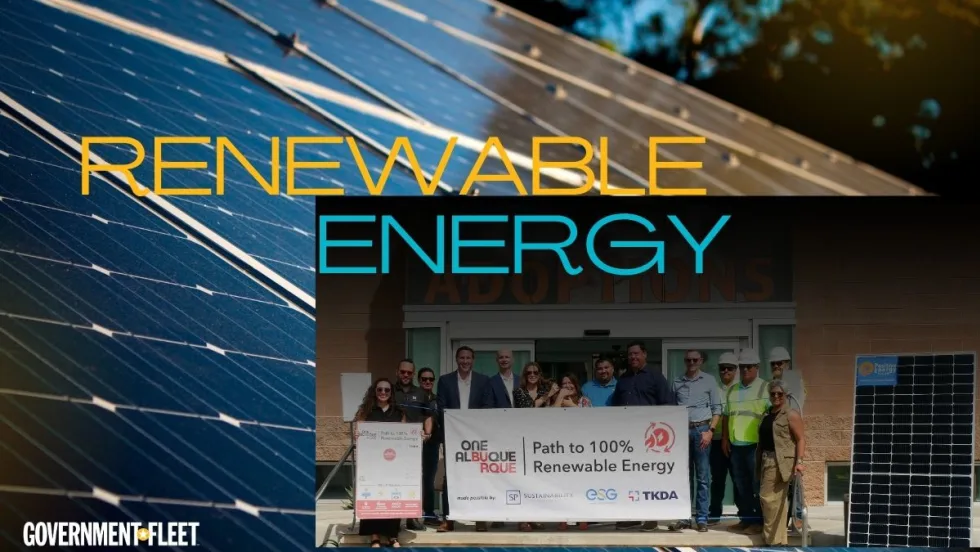
Sustainability Partners, Energy Systems Group Help Albuquerque Close the Gap on its 100% Renewable Energy Goal
The eight-site, 6 MW solar project has advanced the city toward 100% renewable energy for municipal operations.
Read More →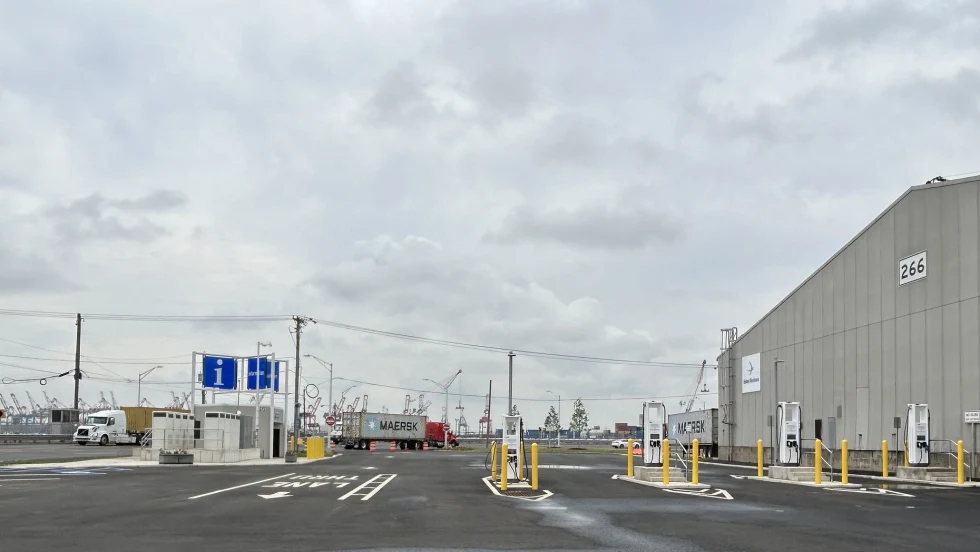
Port Authority and CALSTART Launch $45 Million Electric Truck and Charging Programs
The programs aim to boost sustainable operations across the East Coast's busiest seaport.
Read More →
Moving Government Fleets Beyond the Vehicle Purchase: EV as a Service
A discussion on how EVaaS is moving beyond pilot programs and what fleets should consider before beginning a larger deployment.
Read More →
Moving Government Fleets Beyond the Vehicle Purchase: EV as a Service
As fleets move beyond small EV pilots, Sustainability Partners CEO Adam Cain explains how EVaaS can address the infrastructure and long-term planning required for larger deployments.
Read More →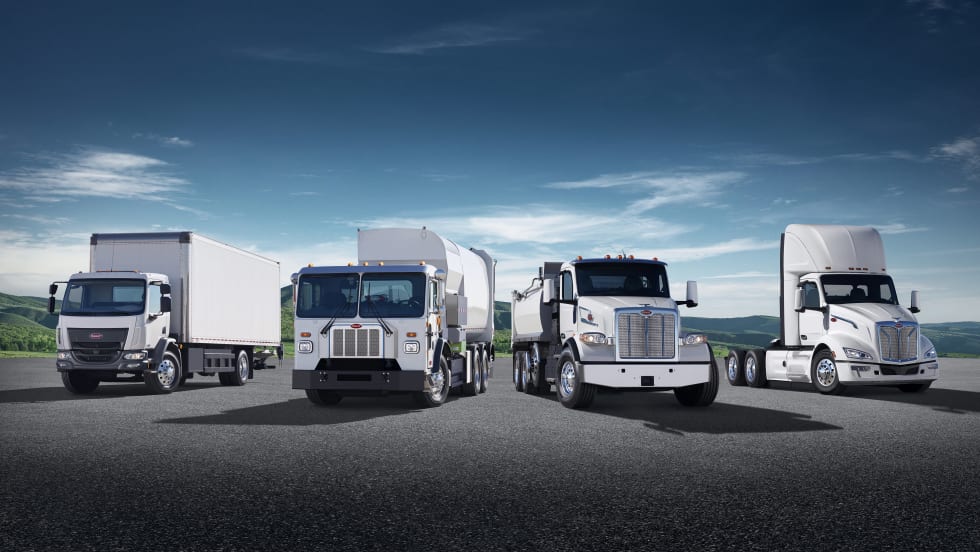
Peterbilt Expands Sourcewell Partnership with Electric Vehicle Lineup
The agreement aims to provide streamlined procurement of Peterbilt trucks for government, education, nonprofit and tribal organizations across the United States and Canada.
Read More →
EV Adoption & Charging Challenges
Where is your fleet in the journey of vehicle electrification? If you're still looking for answers to fleet electrification you've come to the right place.
Read More →
Hawaii Passes Clean Fuel Policy
Hawaii lawmakers passed clean fuel legislation that could support renewable natural gas production, biogas-powered transportation, and lower-carbon fueling options for public and commercial fleets.
Read More →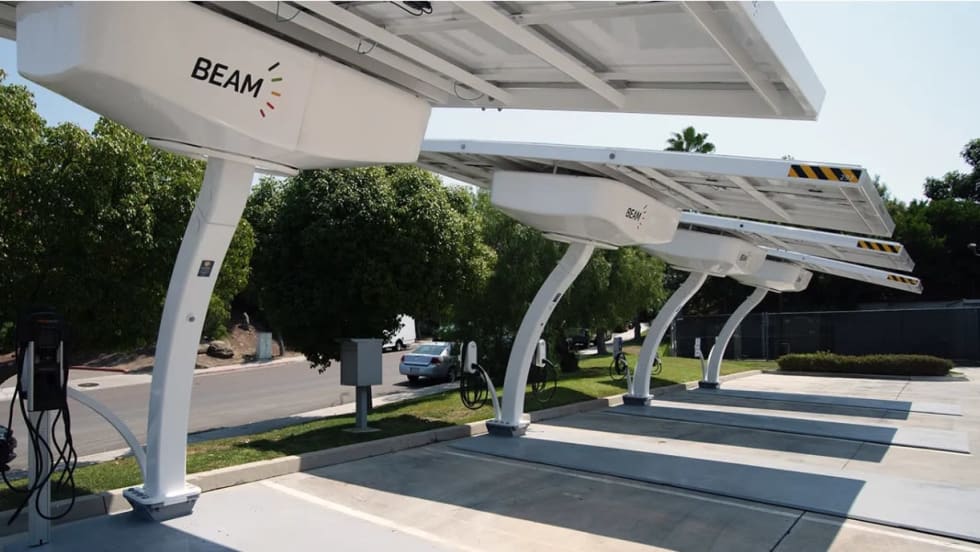
Stanislaus County Deploys Ten Beam Global EV ARC Systems to Support County Fleet Electrification
Stanislaus County deployed 10 off-grid solar-powered EV charging systems and a mobile charging trailer from Beam Global to support its electric fleet operations and emergency response flexibility.
Read More →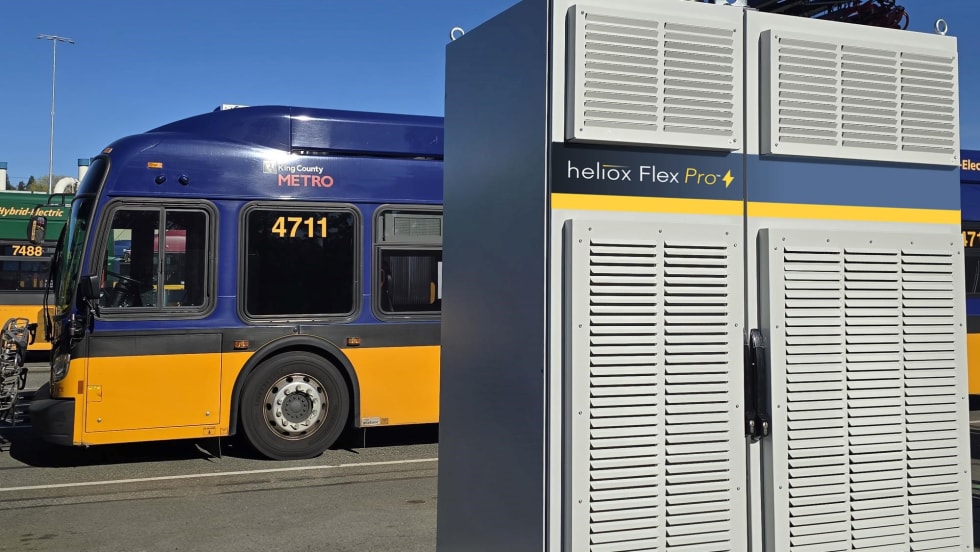
Heliox Pilots 480-kW Bus Charger with King County Metro
King County Metro is piloting Heliox’s new 480-kW Flex Pro charger to support expansion of its battery-electric bus fleet and depot charging infrastructure. The compact charging system supports pantograph and plug-in charging configurations for high-density transit operations.
Read More →