




Allegany County School Board to Discuss Take-Home Vehicle Policy
CUMBERLAND, MD – The Allegany County Board of Education is taking steps to “actively manage” transportation costs and decrease the figures on gas receipts as much as possible, including a look at the school district’s vehicle take-home practice.
CUMBERLAND, MD – The Allegany County Board of Education is taking steps to “actively manage” transportation costs and decrease the figures on gas receipts as much as possible, including a look at the school district’s vehicle take-home practice, according to www.times-news.com.
Randy Bittinger, board finance director, said unlike other government bodies, the district’s central office does not have a vehicle fleet. It does have nine of its some 45 non-bus vehicles designated as take-home vehicles. Those designations are made by Bill AuMiller, district superintendent; Jim Smith, personnel director; and department heads. Bittinger will report on the number of vehicles the board owns and which positions are authorized take-home vehicles.
Jane Dawson, board vice president, said she requested the information after receiving a small number of inquiries from the public. She said the nine employees authorized take-home vehicles are “all very important” and did not anticipate suggesting any policy changes.
Bittinger said the board and Allegany County government, which is reviewing its vehicle-take home policy that cost nearly $800,000 in fuel this past fiscal year, “are two different governments with two different purposes.”
Bittinger said the board could be in a better position than other government agencies because of its corporate contract with Enterprise Rent-a-Car. The IRS changed its mileage reimbursement to 58.5 cents per mile from 50.5 cents a year ago. That figure is the amount that district employees are reimbursed, per the finer points of union-negotiated contracts. Shortly thereafter, finance staff were authorized to seek other, less-costly ways of completing work-related travel.
More Operations

How Dakota County Built a More Structured Fleet Operation
Kevin Schlangen shares how Dakota County’s fleet moved from reactive repairs and limited oversight to a more structured approach built around planning, training, and long-term cost control.
Read More →
Is Your Fleet Ready Before the Storm Hits? | GovCast Cheat Sheet
Could better preparation before a storm and new vehicle technology help fleets recover faster while improving safety?
Read More →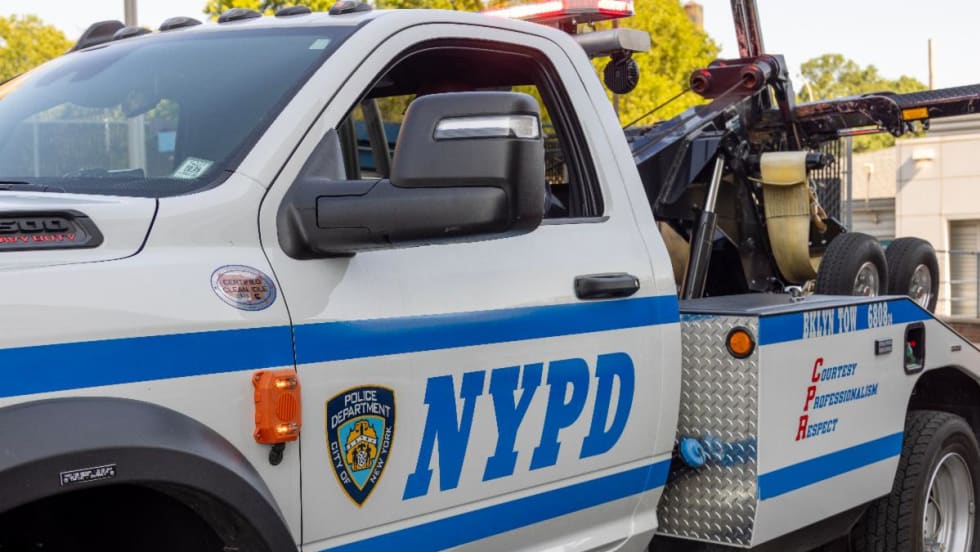
New York City Orders Safety Technology for Municipal Fleet
New York City is expanding the use of pedestrian alerts and intelligent speed assistance across its non-emergency fleet. The executive order establishes new technology requirements for future vehicle purchases while accelerating retrofits on thousands of existing municipal trucks.
Read More →
The Network Behind Better Government Fleet Decisions
A discussion on why relationships across the government fleet community have played such an important role and what shapes the leadership response.
Read More →
Ford, BlackRock, Google and Carhartt Form Skilled Trades Workforce Alliance
The alliance plans to develop a stronger pipeline between training programs and available jobs while examining workforce efforts already underway across the country.
Read More →
The Network Behind Better Government Fleet Decisions
A discussion on why relationships across the government fleet community have played such an important role and what shapes the leadership response.
Read More →
What Makes Fleet Technicians Stay? | GovCast Cheat Sheet
The technician hiring and retention discussion is not new, but the way fleets respond to it continues to matter.
Read More →
On the Road with Government Fleet: Essential Podcasts for Professionals
Let's celebrate listening! Check out a GovCast podcast and discover the insights and strategies that can transform your fleet management approach.
Read More →
How Real-World Vehicle Use Guides Replacement And Budgets
Three public fleet leaders explain how they use real-world vehicle data and long-term planning to keep aging assets in service and make more informed replacement and budgeting decisions in a high-cost environment.
Read More →