




Related: Maximizing Your Recovered Costs After a Natural Disaster
Agencies Prepare Fleets for Total Eclipse
In areas where a total eclipse is scheduled, government agencies are prepared for an influx in tourists hoping to catch the two to three minutes of near-total darkness.
by Michaela Kwoka-Coleman
August 18, 2017
Photo via Pixabay
2 min to read

Photo via Pixabay
Across the country, government agencies are preparing their fleets for the Great American Eclipse, a rare event where, depending on your location, the moon will totally or partially block out the sun.
In areas where a total eclipse is scheduled, government agencies are prepared for an influx in tourists hoping to catch the two to three minutes of near-total darkness.
Corvallis, Oregon, one of the first cities in the path of totality, is working to relieve traffic congestion by offering a free shuttle service to several eclipse event sites around the city Saturday-Monday, according to a press release. Additionally, garbage collection has been suspended the day of the eclipse.
Following the eclipse’s path, the Nebraska State Troopers (NSP) will have additional troopers on duty. NSP Aviation Support Division will also provide three aircrafts for air patrol to help monitor traffic and other safety concerns.
Similarly, Yellowstone National Park and Grand Teton National Park in Wyoming will have extra law enforcement and first responders stationed throughout the park before, during, and after the eclipse. However, the National Park Service is still warning of long response times for emergencies due to heavy traffic.
On the East Coast, the South Carolina Department of Transportation (SCDOT) will have increased State Highway Emergency Program (SHEP) vehicles on highways and primary routs to assist motorists. The responders help with minor vehicle repairs, assist with traffic control, and aid with traffic incident management.
SCDOT maintenance vehicles will also be on patrol to provide phones to motorists who find themselves stranded and in need of a tow truck.
All locations along the eclipse’s path of totality are encouraging locals and tourists stay off the roadways during the eclipse for safety reasons and to make way for emergency vehicles.
More Police
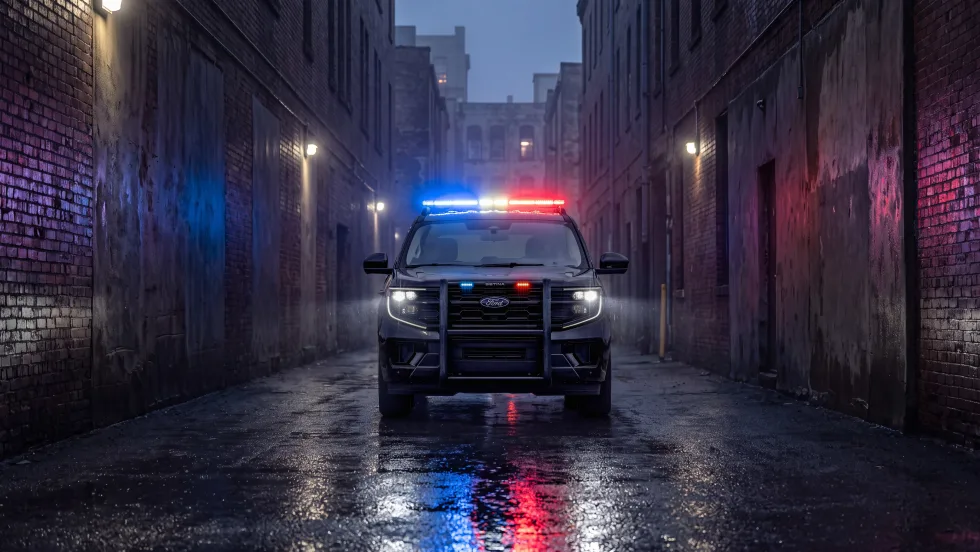
Ford Pro Introduces Full-Size 2028 Expedition Police Responder
Ford Pro gave law enforcement customers a first look at the pursuit-rated utility during Police Fleet Expo.
Read More →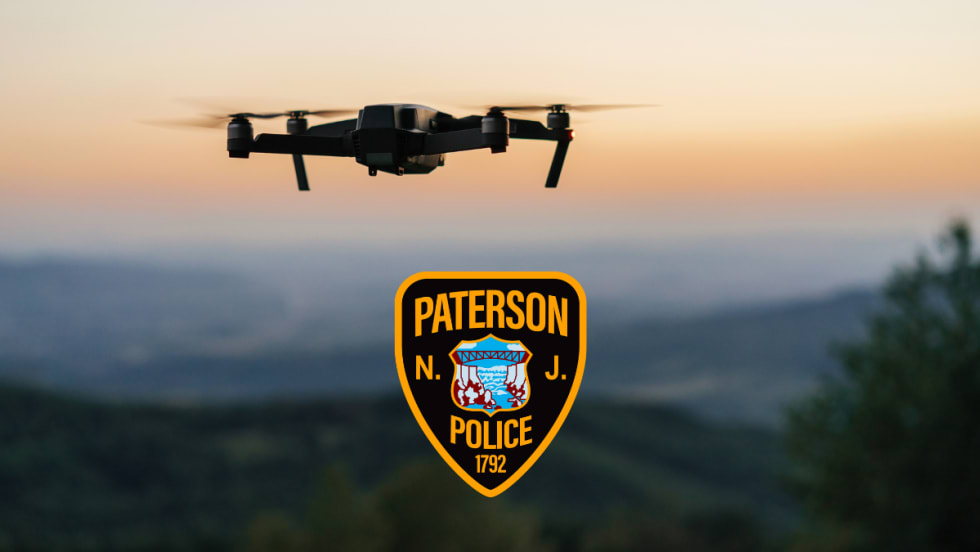
Paterson Police Expand Drone Fleet, Launch Real-Time Operations Center
The Paterson Police Department has expanded its drone program and opened a new Real-Time Operations Center designed to support emergency response and incident management. The initiative integrates multiple technologies to provide officers with real-time information during investigations and public safety operations.
Read More →
Why Public Fleet Success Depends on More Than the Vehicles
Tim Coxwell of the Leon County Sheriff’s Office discusses the projects shaping his fleet operation, including long-term work around vehicle selection, greenhouse gas emissions, and cost per mile.
Read More →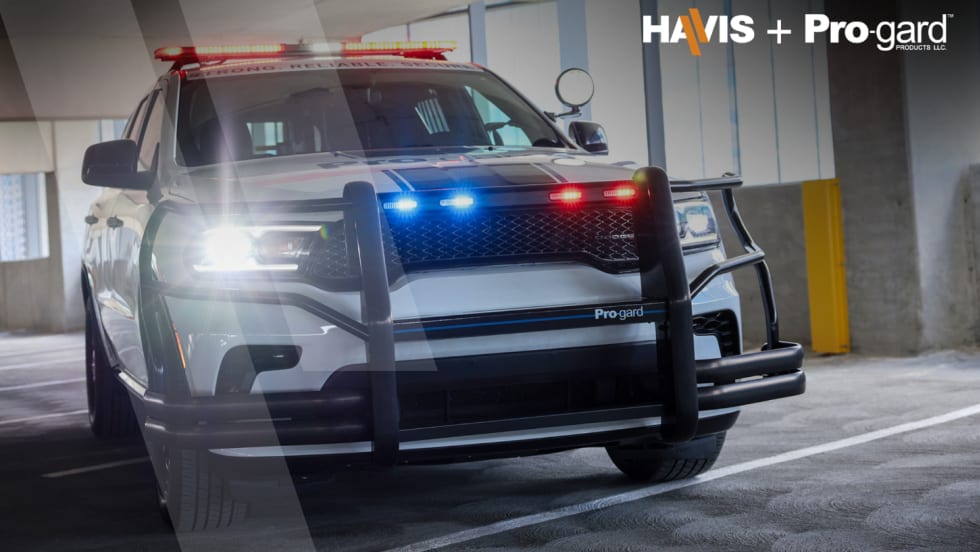
Havis Acquires Pro-gard Products
The acquisition brings together two manufacturers of public safety vehicle equipment under one company. Havis says the move expands its portfolio of products for outfitting law enforcement vehicles and other public safety fleets.
Read More →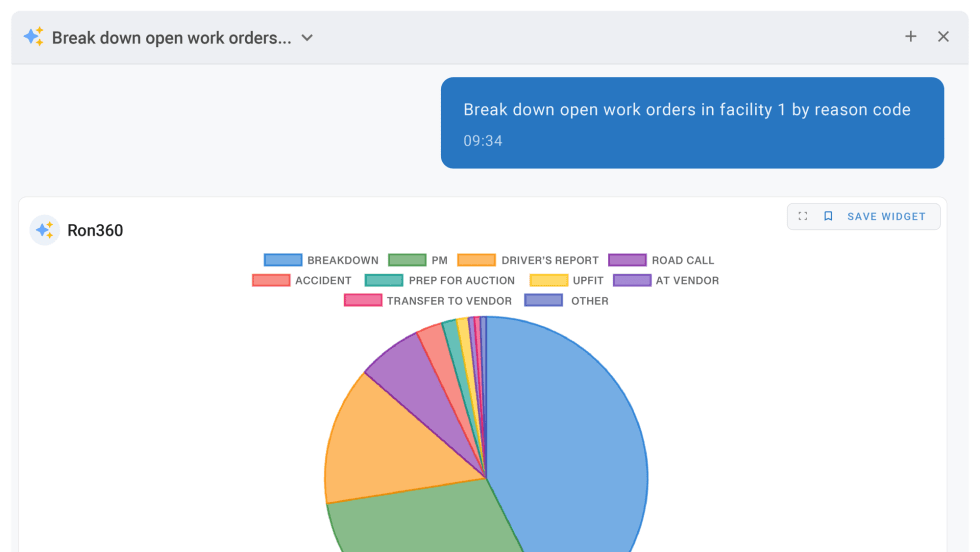
RTA Fleet Introduces AI Assistant for Fleet360 Platform
As artificial intelligence continues to gain traction across public-sector operations, fleet software providers are finding new ways to incorporate the technology into everyday workflows. RTA's latest addition aims to simplify how users interact with fleet data.
Read More →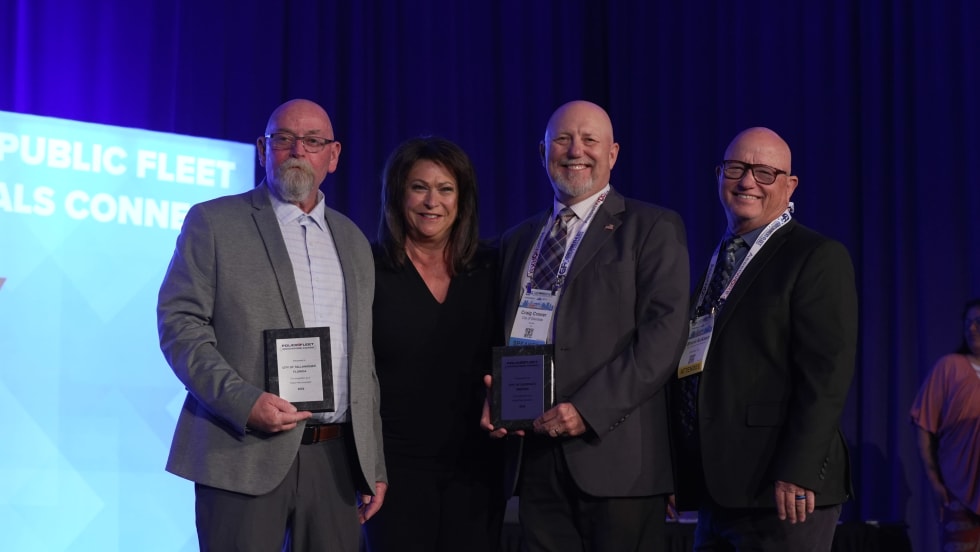
2026 Police Fleet Innovators Named
Meet the professionals finding new ways to solve some of law enforcement's toughest fleet challenges.
Read More →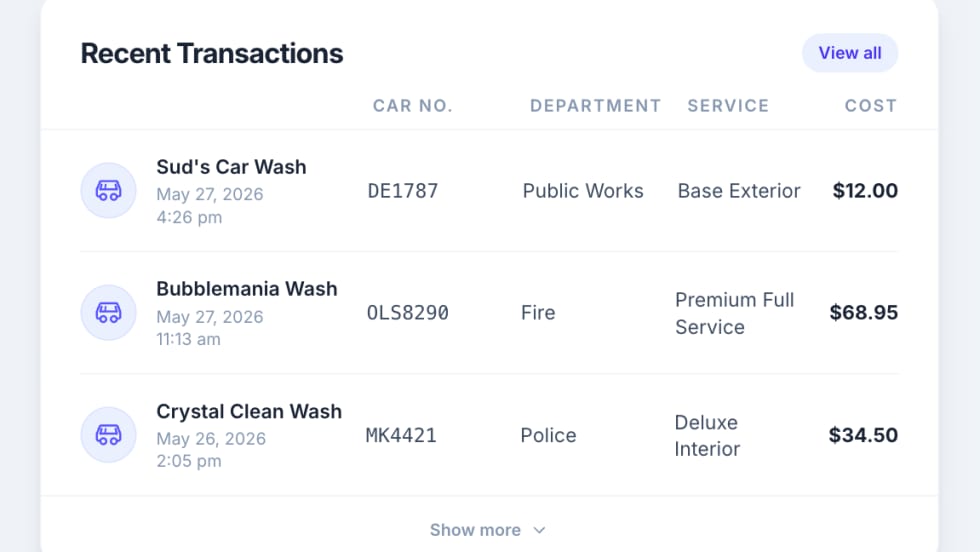
Rynse Expands Nationwide Fleet Wash Access for Law Enforcement
The North Carolina Sheriff’s Association Contract Cooperative purchasing contract aims to streamline procurement process for law enforcement agencies across the U.S.
Read More →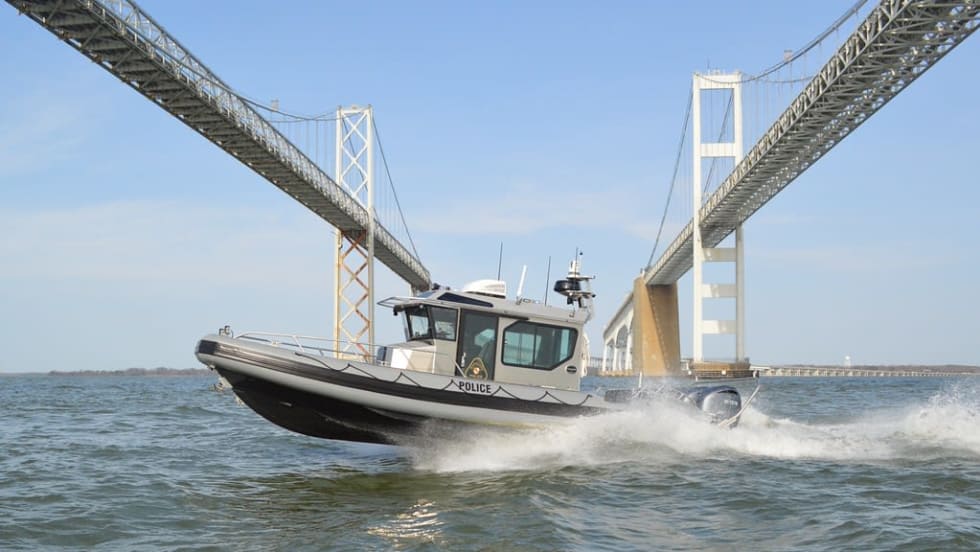
Maryland Natural Resources Police Adds 31-Foot Patrol Boat to Enforcement Fleet
A new addition to Maryland’s marine enforcement fleet is bringing expanded capabilities to Chesapeake Bay operations while honoring a legacy within the agency. The high-performance patrol vessel reflects how law enforcement fleets are adapting to growing demands on the water.
Read More →
LEHR Expands Florida Presence With Enforcement One Acquisition
LEHR has acquired Florida-based emergency vehicle upfitter Enforcement One, marking its eighth add-on acquisition.
Read More →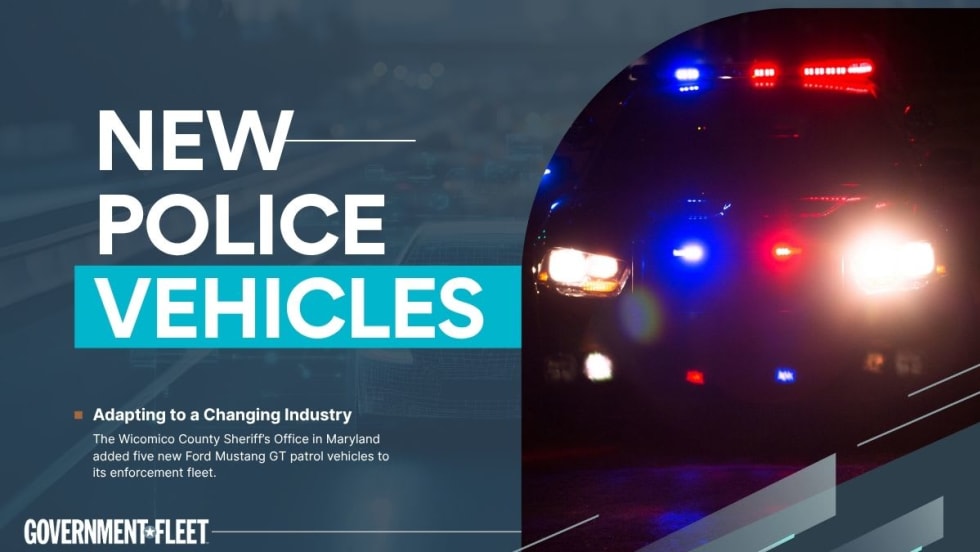
Maryland’s Wicomico County Sheriff Adds Mustang GT Patrol Vehicles
The agency is also working with the Maryland Police Training Commission on a specialized high-performance driving course for deputies assigned to the vehicles.
Read More →