




The Greening of GWP Fleet Services
An early proponent of environmentally responsible operations, Glendale Water & Power (GWP) Fleet Services incorporated alternative-fueled vehicles in 2001, and even earlier began waste reduction recycling programs.
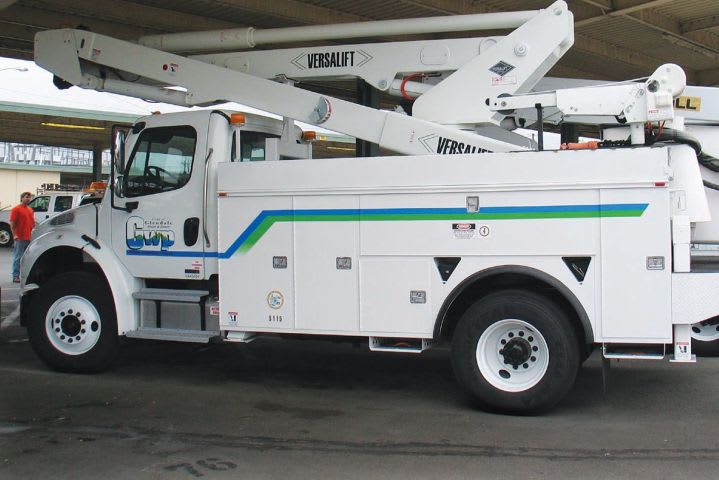
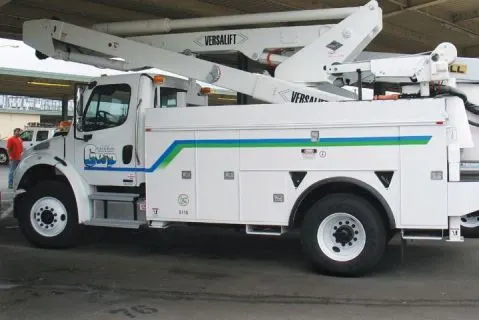
In the spring of 2001, Glendale Water & Power (GWP) fleet services took an aggressive approach to addressing environmental issues. It was time for a change in the green direction for the Southern California agency. Today, 51 percent of all GWP units use an alternative fuel or emissions reduction technology.
In March 2001, the fleet introduced B-20 biodiesel, a blend of 20-percent biodiesel and 80-percent diesel, into its diesel-powered vehicles. B-20 can be used in any diesel engine without modifying the engine or fueling infrastructure.
After using B-20 successfully for one year throughout its entire diesel vehicle and equipment fleet, GWP replaced regular diesel fuel in its vehicles with ultra low sulfur diesel (ULSD) four years ahead of its EPA-mandated use. ULSD has less than 15 parts per million (ppm) of sulfur, compared to the federal 500-ppm sulfur limit for low sulfur diesel. ULSD also can be used in all diesel-powered engines without modification to an engine or fuel system.
The primary benefit of using ULSD is emissions reductions. ULSD can provide up to 13-percent reductions in particulate matter (PM) or soot and hydrocarbons (HC), a 6-percent reduction in carbon monoxide (CO²) and a 3-percent reduction in nitrogen oxide (NOx). When ULSD is used with particulate filters, the reductions increase to 20-85 percent of PM, 90-percent of HC, 90 percent of CO², and 15-20 percent in NOx. GWP currently runs 16 vehicles with particulate filters. By 2010, all GWP diesel-powered vehicles will have particulate filters.
Since ULSD is produced with less lubricity and a benefit of B-20 is enhanced lubricity, a blending of these fuels makes a perfect marriage. Before use of B-20 in 2000, the average diesel smoke density test per vehicle was 15.6 percent. In 2001, with the use of B-20, the average smoke density per vehicle dropped to 4.9 percent. In 2007, with the use of ULSD and B-20, the average smoke density per vehicle was 2 percent, 5 percent of the allowed limit.
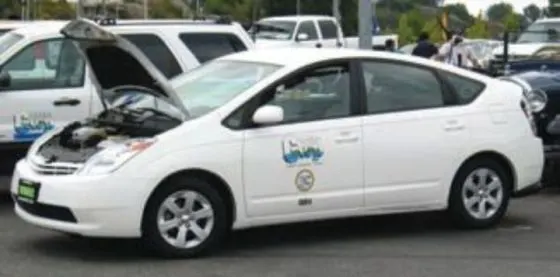
GWP uses other alternative power, such as electricity and propane in its vehicles and equipment. Forty-five vehicles in the GWP fleet are low-emission, ultra-low-emission, and super-ultra-low emission vehicles, including electric hybrids.
In 2001, the first GWP electric hybrid, a Honda Insight, was purchased, the first full year of the vehicle’s availability in the United States. Used as a general transportation vehicle, it also enjoyed a long career in parades and demonstrations as an educational tool for GWP customers. The agency also operated four all-electric Toyota RAV4 SUVs and two all-electric Ford Ranger pickup trucks while they were available. The continued use of electric-powered vehicles for personnel, tool, and goods transport within the agency’s utility operations center reinforces GWP’s commitment to using "clean" vehicles.
To help achieve its alternative-fuel goals, GWP also continues use of propane, a cleaner burning fuel in its medium-duty trucks, forklifts, and construction equipment. With an eye towards diversifying alternative-fuel technologies, GWP use of electric, propane, hybrids, and biodiesel complements the City of Glendale’s expanding usage of compressed natural gas (CNG) in its Beeline buses.
In 2001, environmental concerns spotlighted attention on hazardous waste generation. GWP Fleet Services renewed its proactive best management practices by reducing consumption and reusing and recycling in many, if not all, aspects of the operation.
GWP implemented an oil filter crushing and recycling program before 2000, utilizing an employee-designed system that earned a reward from the City. The agency also recycles coolant, coolant filters, oil, tires, water-based parts, and brake-washing solution. Continued recycling of discarded aluminum, steel parts, and batteries along with utilizing reusable and laundered shop rags and mats have further minimized the GWP facility’s waste and carbon footprints.
Spills still happen, in spite of the care taken to avoid them. However, GWP manages spills with the use of portable berms, pigs, and even hydrophobic mop heads to separate oil and coolant from water to recycle and minimize disposal of contaminated particulate absorbents.
Zero hazardous waste is a lofty goal for a vehicle maintenance facility, and GWP will probably never reach that level of perfection. But the policy goals motivate staff and customers to greater heights of improvement in these critical matters.
[PAGEBREAK]
GWP Fleet Services are a recognized leader in proactive and responsible environmental practices. Its efforts continue, having begun long before the mainstream popularity of environmentalism. Although it’s been said, "It’s not easy being green," GWP Fleet Services has found that it can be easy, inexpensive, efficient, and popular.
More Green Fleet
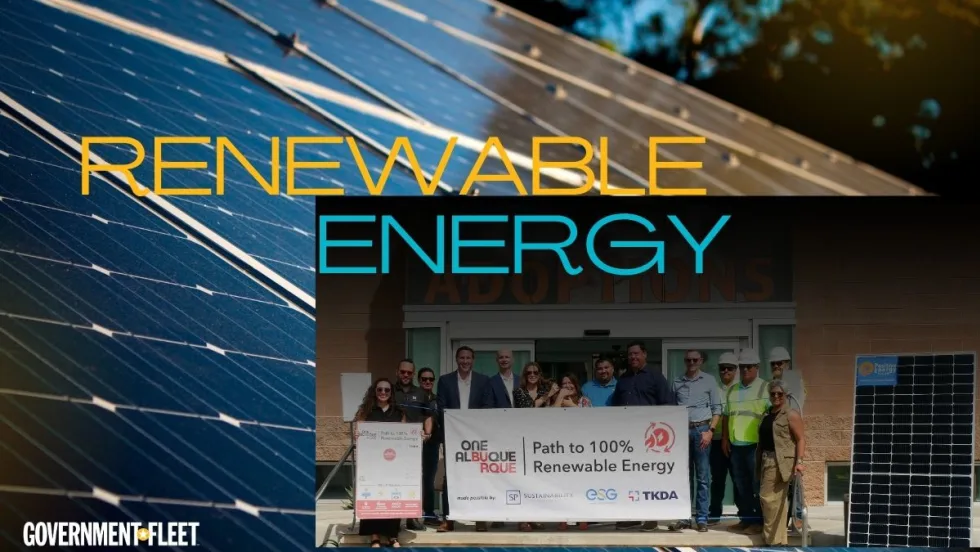
Sustainability Partners, Energy Systems Group Help Albuquerque Close the Gap on its 100% Renewable Energy Goal
The eight-site, 6 MW solar project has advanced the city toward 100% renewable energy for municipal operations.
Read More →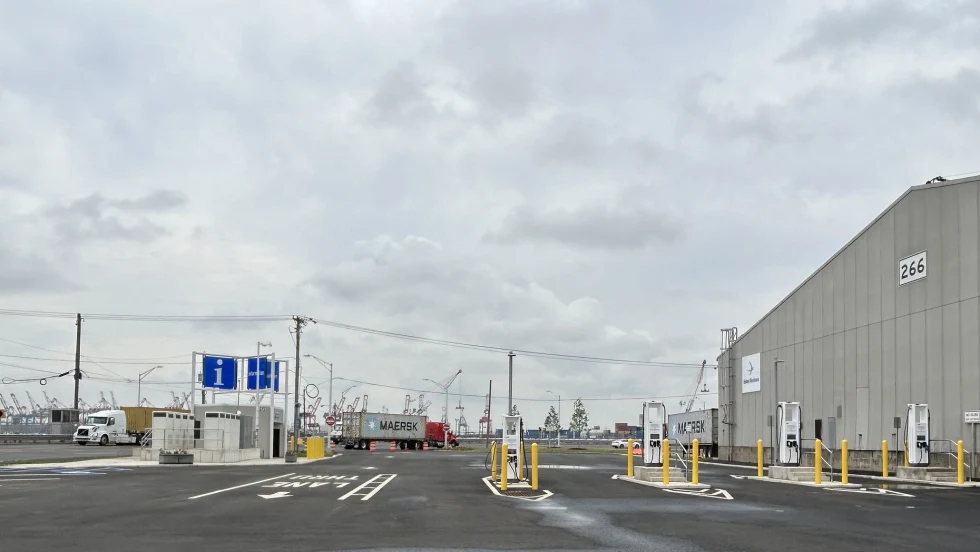
Port Authority and CALSTART Launch $45 Million Electric Truck and Charging Programs
The programs aim to boost sustainable operations across the East Coast's busiest seaport.
Read More →
Moving Government Fleets Beyond the Vehicle Purchase: EV as a Service
A discussion on how EVaaS is moving beyond pilot programs and what fleets should consider before beginning a larger deployment.
Read More →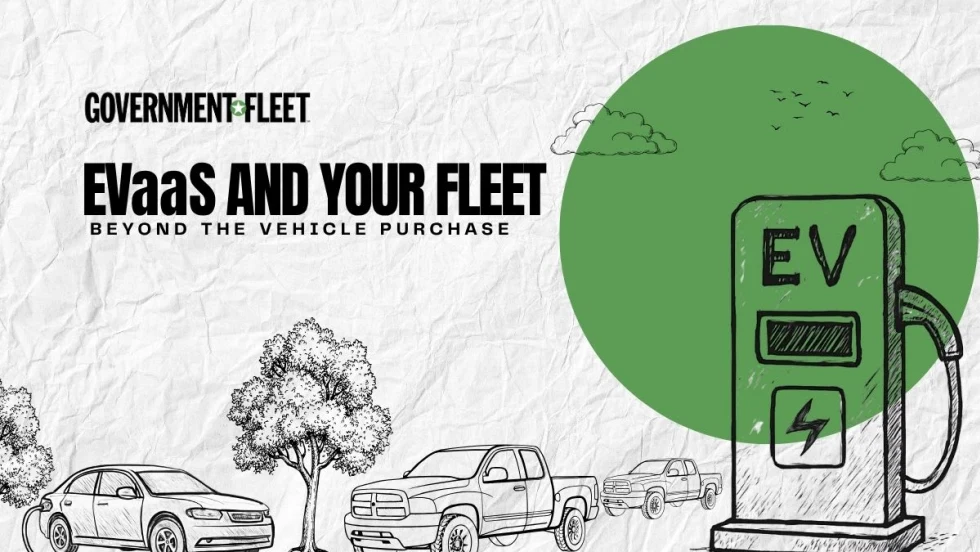
Moving Government Fleets Beyond the Vehicle Purchase: EV as a Service
As fleets move beyond small EV pilots, Sustainability Partners CEO Adam Cain explains how EVaaS can address the infrastructure and long-term planning required for larger deployments.
Read More →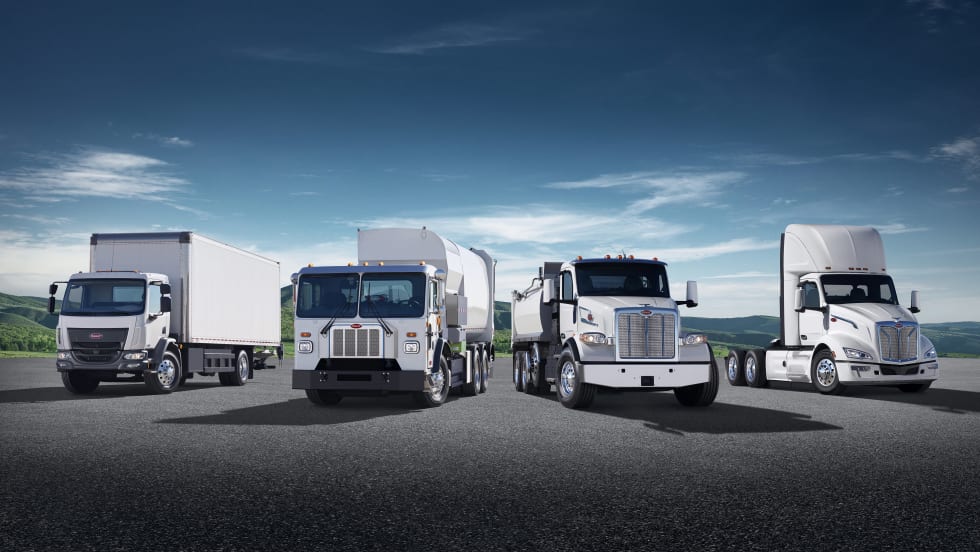
Peterbilt Expands Sourcewell Partnership with Electric Vehicle Lineup
The agreement aims to provide streamlined procurement of Peterbilt trucks for government, education, nonprofit and tribal organizations across the United States and Canada.
Read More →
EV Adoption & Charging Challenges
Where is your fleet in the journey of vehicle electrification? If you're still looking for answers to fleet electrification you've come to the right place.
Read More →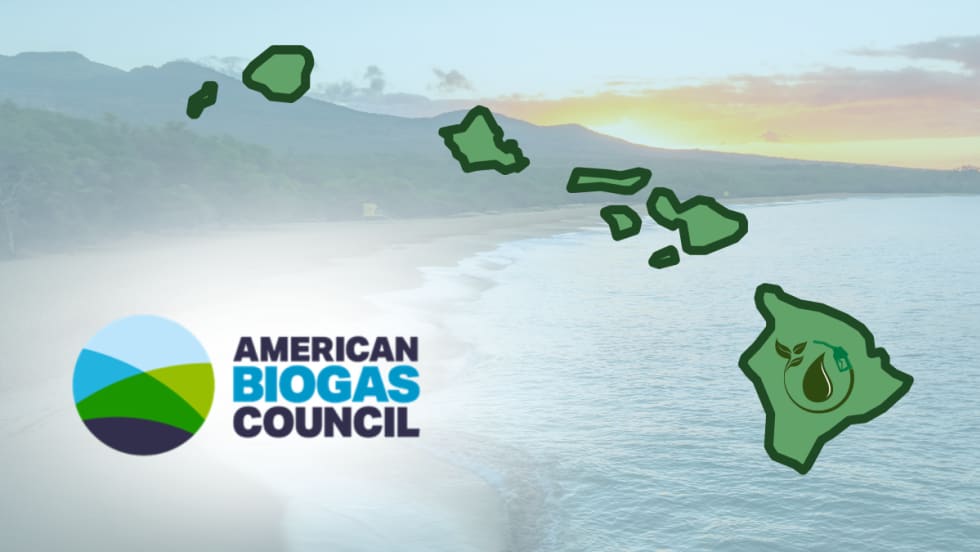
Hawaii Passes Clean Fuel Policy
Hawaii lawmakers passed clean fuel legislation that could support renewable natural gas production, biogas-powered transportation, and lower-carbon fueling options for public and commercial fleets.
Read More →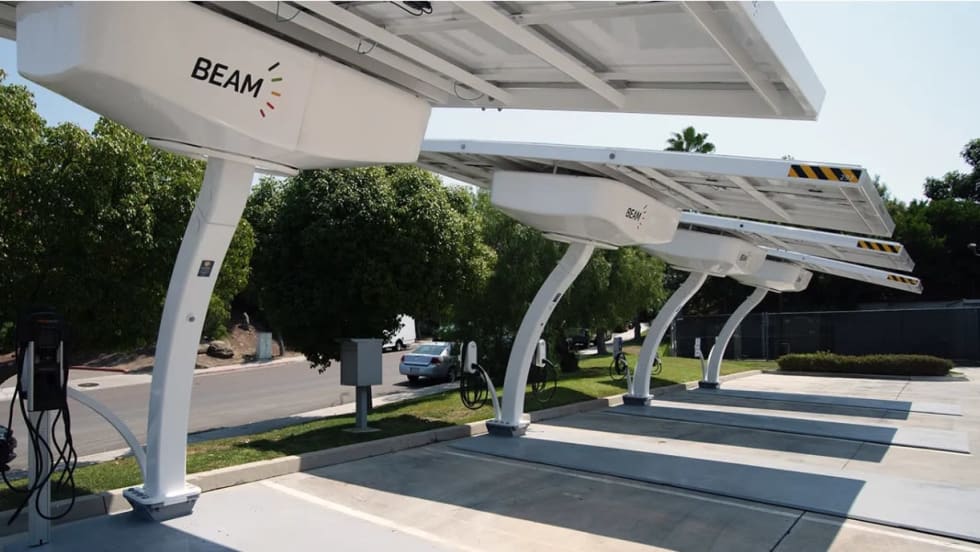
Stanislaus County Deploys Ten Beam Global EV ARC Systems to Support County Fleet Electrification
Stanislaus County deployed 10 off-grid solar-powered EV charging systems and a mobile charging trailer from Beam Global to support its electric fleet operations and emergency response flexibility.
Read More →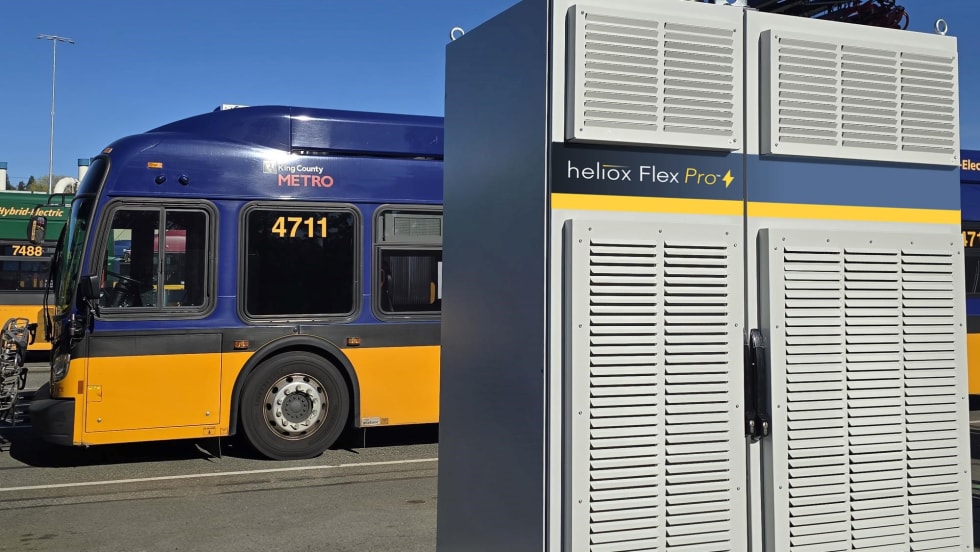
Heliox Pilots 480-kW Bus Charger with King County Metro
King County Metro is piloting Heliox’s new 480-kW Flex Pro charger to support expansion of its battery-electric bus fleet and depot charging infrastructure. The compact charging system supports pantograph and plug-in charging configurations for high-density transit operations.
Read More →