




Similar Content: Fleet Forward Experience Wrap: IoT, Electric Infrastructure, and the Supply Chain
Ohio Fleet Manager Pursues Future Fleet Features
John Hyatt discusses smart mobility projects the City of Dublin is involved in and how the fleet is helping test new technology.

Lexi Tucker・Senior Editor
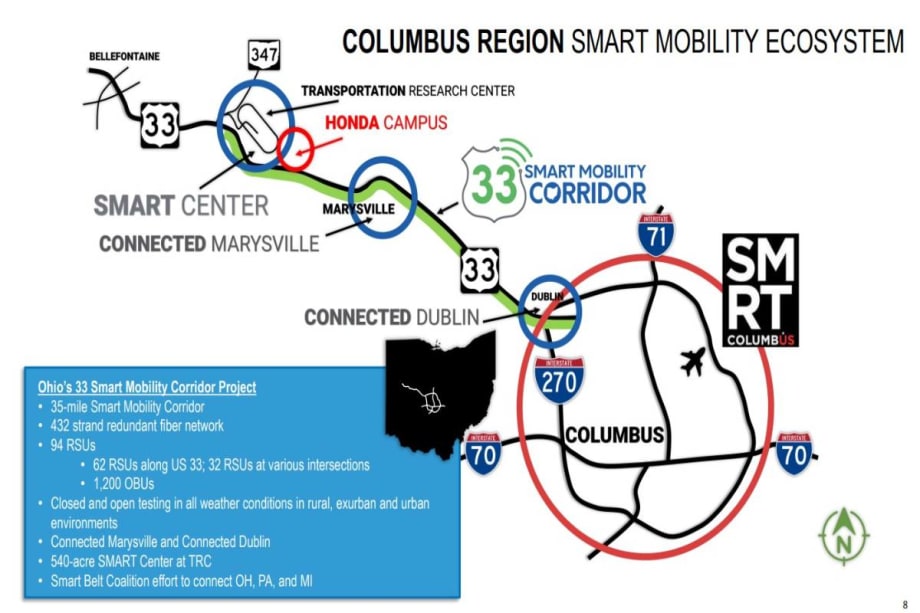
The 33 Smart Mobility Corridor, in the Columbus Region Beta District, is a 35-mile highway corridor just northwest of Columbus that crosses three counties.
Photo: 33 Smart Mobility Corridor
2 min to read
John Hyatt, operations manager for the City of Dublin, Ohio, and his fleet staff have been involved with several projects installing smart technologies into some of the city’s fleet for testing by private companies.
The 33 Smart Mobility Corridor, in the Columbus Region Beta District, is a 35-mile highway corridor just northwest of Columbus that crosses three counties. Along the corridor, road side units (RSUs) have been installed, making it a prime location for the testing of connected vehicle technology.

John Hyatt
Mobility supplier DENSO worked with the city to install connected vehicle technology at intersections and hardware inside vehicles. The technology works together to show on a dashboard tablet real-time traffic information, including how many seconds are left until a traffic signal changes colors and if there are pedestrians the driver might not otherwise see.
“These are significant steps in laying the groundwork for connected vehicle technology, and the more we test and technology advances, the faster we’ll be able to move,” Hyatt said.
In another project coming down the pipeline, the City of Dublin is partnering with Dublin-based EASE Logistics and Akron-based Goodyear Tires on Smart Mobility technologies for connected vehicles. The group will be installing sensors that measure tire pressure in commercial and government vehicles, aggregating and monitoring public and private data, and testing the technologies on Dublin’s roads and along the U.S. 33 Smart Mobility Corridor.
Subscribe to Our Newsletter
More Vehicle Research

Volvo Trucks Unveils New Volvo VNX, a Vocational and Heavy-Haul Truck
The Volvo VNX features standard forward pedestrian detection that continuously scans for people in the truck's path, and optional blind-spot detection, now available on both sides.
Read More →
Government Fleet Sales Fall in August Despite Year-to-Date Gain
Government fleet sales declined in August, but stronger year-to-date truck and SUV sales kept the overall 2026 total ahead of last year.
Read More →
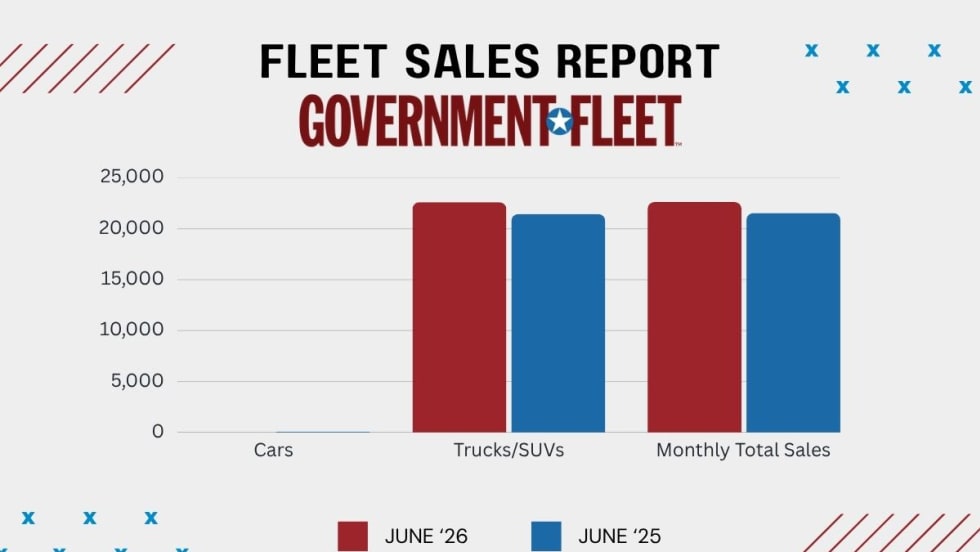
June Government Vehicle Sales See a Jump in Numbers
There were a reported 22,626 government fleet vehicles sold in June compared to 21,539 vehicles sold in June 2025.
Read More →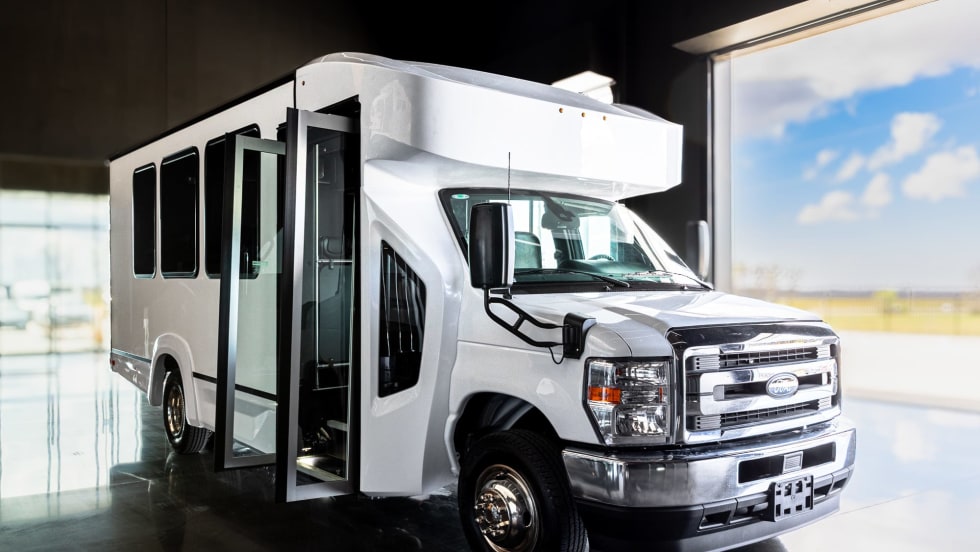
Master's Motors Introduces Shuttle Buses for Government and Commercial Fleets
Master's Motors has introduced two new shuttle bus models aimed at government and commercial fleet operators. The buses incorporate updated structural and accessibility features while offering configurable layouts for a variety of passenger transportation applications.
Read More →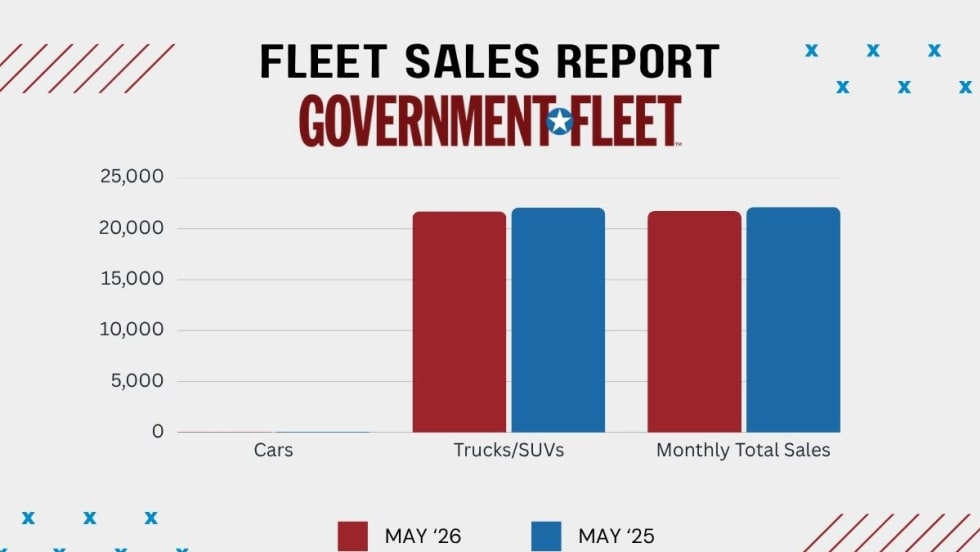
May Government Fleet Sales Slip Below 2025 Pace
Despite last month's sales increase, May vehicle numbers took a downward turn.
Read More →
April 2026 Recall Roundup: Chrysler, Lucid, & More
Are any of the vehicles in your fleet recalled? Check out the latest recalls of popular government fleet vehicles and equipment.
Read More →
Kestrel Work Truck for First Response Debuts at FDIC 2026
Morgan Olson introduced its Kestrel platform, a compact, four-wheel-drive Class 2 work truck designed for first responders, with multiple configurations, validated safety testing, and a focus on durability and fleet lifecycle performance.
Read More →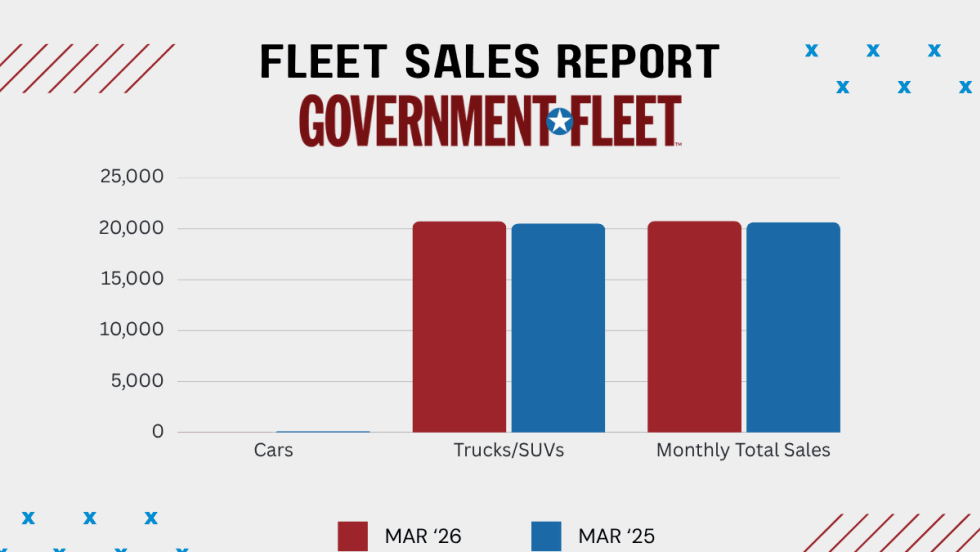
Government Fleet Vehicle Sales Rise In March
Government fleet vehicle sales increased by 1% in March, up from March 2025.
Read More →
March 2026 Recall Roundup: Ford, Kia, & More
Are any of the vehicles in your fleet recalled? Check out the latest recalls of popular government fleet vehicles and equipment.
Read More →