




Learn More: Pivoting to Better Auction, Spec’ing, and Data Practices
Investing in Creatively Answering Fleet Requests
Nathan Schafer doesn’t believe “this is how we’ve always done it” is a valid answer when it comes to optimizing performance.

Lexi Tucker・Senior Editor
3 min to read
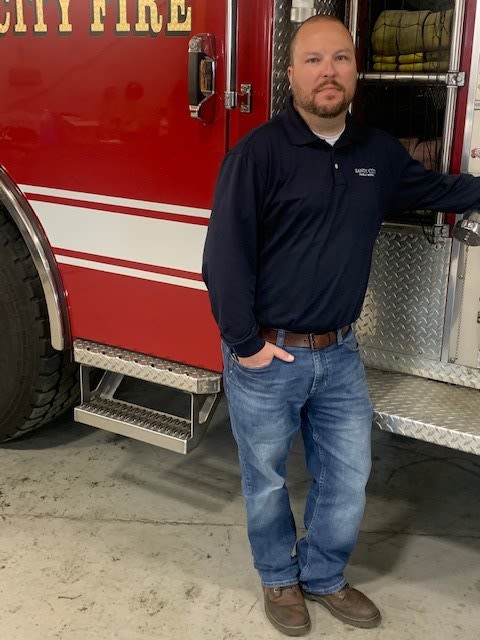
Nathan Shafer
Budgeting, purchasing, disposal, and spec writing all come with fleet manager territory, but Nathan Schafer’s favorite part of what he does is working with the various departments in Sandy City, Utah, to make sure their fleet needs are being taken care of. He especially enjoys the problem solving that comes with fulfilling less common requests.
For example, one of the departments he works with was looking for a way to do traffic counts, and wanted to craft a trailer that was mobile and had a mounted radar.
“They wanted to be able to easily move it to different areas of the city to do their counts. Our state DOT had made something fairly similar, so we took a look at theirs and weren’t as impressed as we’d hoped we’d be. The shop manager and I brainstormed with one of our fabricators in the shop, and came up with a trailer based off a light tower,” he explains.
Mobile light towers have a mast that rises up that allows a user to crank the lights up to whatever height they need. Instead of lights being at the top of the mast, Schafer and his team swapped it for a radar counter so they could adjust the height and angle from the ground. They’ve built two of these trailers so far, and they seem to be a hit.
Stressing the Importance of Evolution
The biggest challenge he’s been able to overcome is conveying the importance of changing with the times. When people get set in their ways, it limits the department’s ability to operate at full capacity.
“When you’re coming in as a younger professional, and the person who came before you retired at almost 70, there’s a change in mindset that needs to happen some may not be comfortable with. The department wasn’t used to this younger generation of people who are into technology and wanted to look at ways to improve and make things more efficient. Working with administration trying to make changes requires information to back up your claims.”
So, he pulled a lot of data together and showed them some of the alterations he wanted to make to help improve operations, such as shifting the length of PM and oil change cycles based on the oil analysis information he had collected.
“Using the data is what helped get the city to understand, ‘okay, maybe he's got some good ideas here.’”
Investing in Tech
Using technology to improve operations is one of the changes fleet managers can make that might take some researching to get just right. Luckily for Schafer, city administration’s goals of improving efficiency with tech align perfectly with his vision for the fleet department. He’s currently looking into in-cab drive cam solutions which have multiple benefits, including improving driver safety and vehicle health.
“These help us catch and correct driver habits like cell phone usage or not using a seatbelt. It also picks up hard breaking and other behaviors that might not be good for the vehicle. Events trigger the camera to record and then notify a supervisor or manager so we can review that event and mitigate risk in the future.”
Respecting Yourself and Others
Schafer started his fleet career as a technician. Anyone who has worked in the field will tell you it can be hard on the body, so he worked hard in order to move up the ranks and eventually earned the position of fleet manager.
During his time in the role, he’s learned a lot, but wishes to impart the importance of taking care of your staff.
“I've been on both sides with good and bad managers, so I think if there was a piece of knowledge I was going to pass on, it would be people are your most important asset. Make sure you take care of them, and in return, they will likely take care of you. Treat everybody with respect and make sure they have what they need to work together as a team.”
Subscribe to Our Newsletter
More Operations

Fleet Forward Conference Introduces One-Day Passes for 2026
New one-day registration lets fleet professionals attend Tuesday, Wednesday, or Thursday, with passes available for $249.
Read More →
ENC Unveils its ZAVIR Medium-Duty Shuttle
Two variants of the concept shuttles were revealed: a low-floor configuration and a high-floor configuration.
Read More →
Could Your Next Fleet Technician Start as an Intern?
What if your next technician hasn’t worked in a fleet shop yet? What fleets are doing to free up time.
Read More →
How Phoenix Is Building Its Next Generation of Fleet Technicians
With more than 8,000 vehicles and pieces of equipment to maintain, the City of Phoenix could not afford to wait for fully trained technicians to walk through the door. Instead, they revamped their entire workforce strategy and showed how public fleets can create their own talent pipeline while preparing existing employees for increasingly complex vehicles.
Read More →
What’s Slowing Your Fleet Down?
Could a change in how work gets done help your fleet return vehicles to service sooner?
Read More →
Can Public Fleets Trust the Data Driving Their Decisions?
Public fleets have more data than ever, but inconsistent records and missing information can still undermine maintenance, replacement, and cost decisions.
Read More →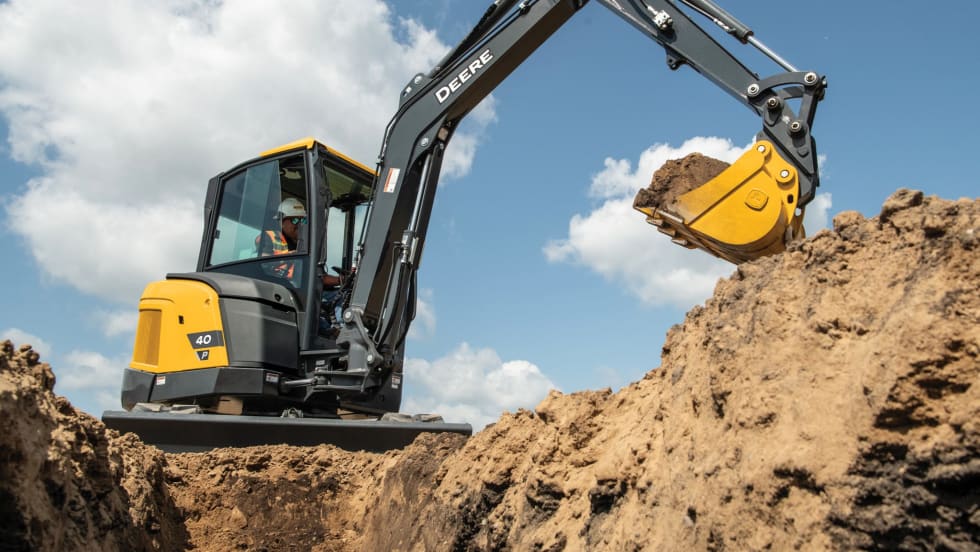
John Deere Introduces 40 P-Tier Compact Excavator
John Deere is adding a compact excavator designed for crews that need to move equipment between jobsites and handle multiple types of work with one machine. The 40 P-Tier weighs less than 10,000 pounds and offers configurable hydraulics, attachment options, and connected fleet-management capabilities.
Read More →
How Leading Fleets Improve and Why Business Plans Matter
This week, we look at what past Leading Fleet winners can teach us about making progress, plus how to build a business plan your fleet will actually use.
Read More →
Nominate a Fleet Leader for the 2027 Public Fleet Hall of Fame
Do you know a fleet leader who has made a lasting impact on the industry? Nominate this fleet professional for the 2027 Public Fleet Hall of Fame.
Read More →
Why Fleet Business Plans Need Three Perspectives
A fleet business plan should help agency leaders understand the fleet’s value, give the organization a clear direction, and establish shared expectations with customer departments.
Read More →