Hurricane Report: City of Lakeland
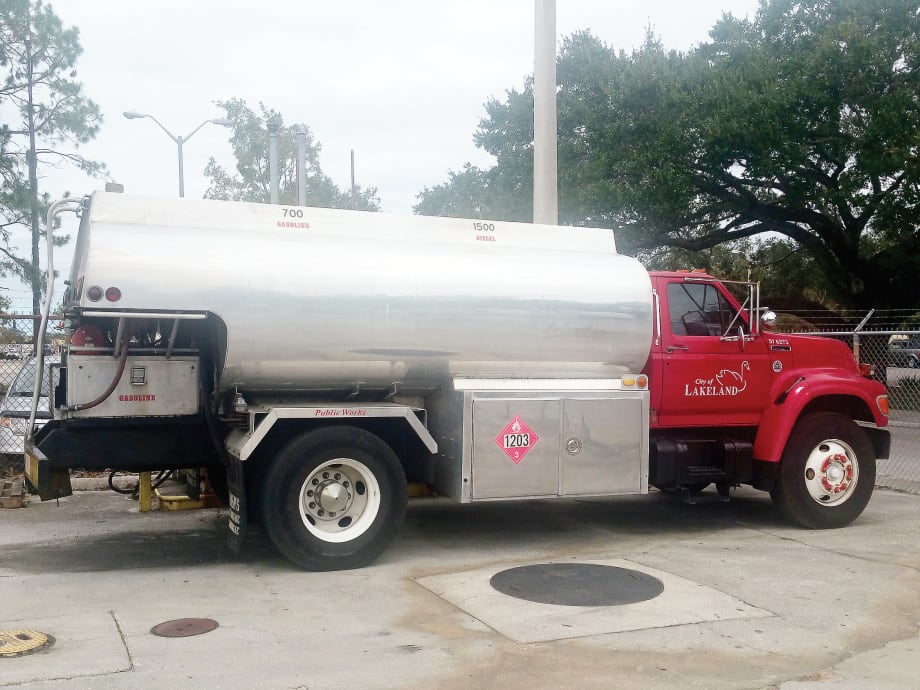
The City of Lakeland, Fla., relied on an ironclad emergency-response plan and the support of its fuel vendor to keep vehicles and generators running during and after Hurricane Irma. But Fleet Manager Gary McLean, CPFP, encountered an unexpected issue: The small generators placed at key intersections to power traffic lights couldn’t be fueled and refueled quickly enough to provide continuous power.
To solve the problem, McLean mobilized two pickups equipped with 100-gallon slip tanks. McLean had inherited the trucks, which were destined for the scrapyard before being pressed into service. Having been properly maintained (if rarely operated), the trucks performed admirably and earned a new commission.
“We’re going to buy new tanks, put new pumps in them, and keep them in the equipment shed,” McLean said. “From now on, they will be included in our emergency operations plan.”
Hurricane Report: Miami-Dade County
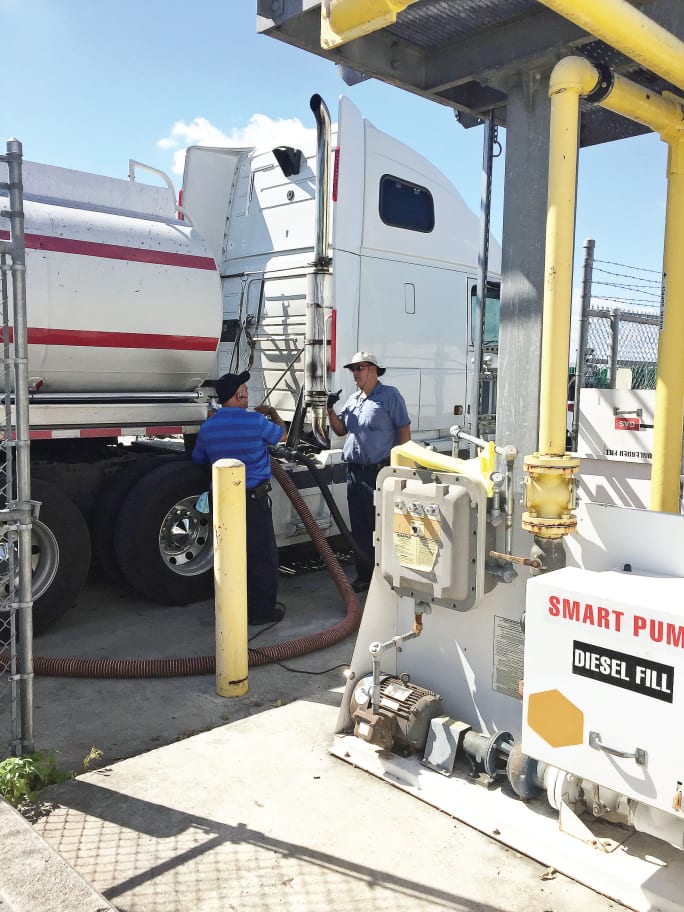
As a former police officer and police fleet manager, Alex Alfonso often falls back on his training and experience in law enforcement when faced with an emergency. In his current position as fleet management division director for Miami-Dade County, Fla., he is responsible for fueling city-owned vehicles and a network of publicly and privately owned generators through severe weather events.
But Alfonso said credit for the county’s successful response belongs to his 300-person staff. With an indomitable spirit of teamwork, staff members executed the division’s plan and kept the tanks full.
“Not one of them gave me any issue. Not one said, ‘I’m not coming in,’ ” Alfonso said. From clerical staff to drivers and technicians, county employees kept the operation up and running, supported first responders, and cleared roads. “It’s less about me and more about the staff. They are unsung heroes who should be commended for what they did,” he said.