




Houston Airport System Shifts from CNG to Hybrid Vehicles
Greater fuel economy, reduced emissions, and fueling convenience prompted the Houston Airport System to convert its alt-fuel fleet from natural gas to hybrid vehicles.
While compressed natural gas (CNG) is cleaner burning and cheaper than regular gasoline, the Houston Airport System (HAS) — consisting of George Bush Intercontinental, Ellington Field, and William P. Hobby airports — has decided to purchase hybrids for further fuel economy and emissions reductions.
Hybrids are More Fuel Efficient
Airports have increasingly purchased “greener” vehicles as more people begin to understand the importance of reducing fossil-fuel emissions. Initially, HAS officials began buying CNG vehicles because of their lower price. However, they soon realized that hybrid vehicles (which run on gasoline and an electric motor) provided a
better gasoline alternative than CNG.
Hybrids may be more expensive, but they make up for the added cost in fuel economy. The Toyota Prius, for example, can achieve approximately 50 mpg under optimal conditions.
Hybrids capture energy created when the driver brakes. This energy is then stored in the vehicle’s battery and used to propel the vehicle at slower speeds.
CNG vehicles provide a limited driving range because CNG is twice the volume of petroleum; therefore, a tank of CNG does not provide the same range as a tank of petroleum. CNG may be cleaner and cheaper than petroleum, but the benefits become less significant because a CNG vehicle requires more fuel to travel the same distance as a hybrid vehicle.
Hybrid Fueling Convenience
CNG’s key weakness is the limited availability of fueling stations. For individuals with CNG vehicles, making special trips to a station may be a small hassle, but for a fleet of CNG vehicles, the price of such trips becomes troublesome. There’s also the unreliability of depending on a single alternative-fuel source. HAS does not have an on-site fuel station, and the off-site private fuel station where it purchased natural gas has closed.
“In 2004, all departments within the city of Houston were directed to order hybrid vehicles and salvage their CNG vehicles,” said Jerry Crenshaw, HAS fleet manager. “We are disposing of all our CNG vehicles, excluding those that operate on both gas and CNG, and selling them through public auctions.”
Since the beginning of September, HAS has purchased 18 hybrid vehicles, according to Crenshaw. “Within the next five years we may purchase 34 additional hybrids, a combination of Prius and Escape models,” he said. “This number could go up if other hybrid vehicle models become available — like a half-ton pickup truck.”
An Earth-Friendly Trend
Saving money by achieving increased fuel economy and reducing fossil-fuel emissions has made hybrid vehicles popular with other airports as well.“Based on communications I have received, other airports are replacing their conventional sedans with Toyota Priuses and their smaller SUVs with Ford Escape hybrids,” said Crenshaw.
More Operations

BRINC Drones Adds Free Wildfire and Smoke Tracking as Agencies Across America Battle Active Fires
New map layers give public safety agencies real-time fire detections and smoke conditions integrated directly into LiveOps at no additional cost.
Read More →
Hidden in Plain Sight: Fleet Compliance Risks
Your fleet may have the right policies, but are they being followed consistently? This practical guide highlights six hidden compliance risks that can undermine public sector and shared fleet operations and shares proven approaches to improve oversight, drive accountability, and maintain audit readiness.
Read More →
Dealing With Workplace Fraud in Fleets
Workplace fraud in government organizations can result in significant financial losses, but understanding its causes and implementing effective controls can help mitigate the risk.
Read More →
Mercury Associates Returns to Independent Ownership
New owners John Martin, Brad Smith, and Daniel Reichmann plan to expand Mercury’s analytical capabilities while continuing to grow the CFMO program.
Read More →
Fleet Technology Targets Inspections, EV Procurement, and Parts Sourcing
How new technology is addressing routine operational challenges, from vehicle inspections to cooperative purchasing.
Read More →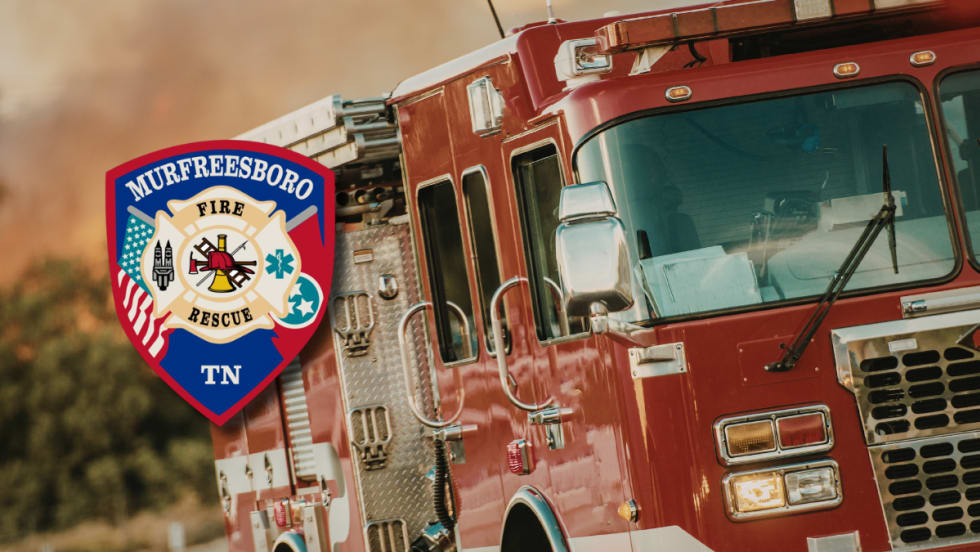
Murfreesboro Fire Rescue Orders Three New Aerial Ladder Trucks
As Murfreesboro's population grows, its fire fleet is growing with it. Three new aerial ladder trucks will replace existing frontline apparatus and equip a new ladder company planned for Station 12.
Read More →
Fleetio Launches PartsTech Integration, Helping Fleets Save up to 15 Minutes on Each Purchase Order
Integration brings parts sourcing and ordering into one connected Fleetio workflow to reduce administrative work.
Read More →
What’s Holding Your Fleet Back?
Catch up on the week with news around creating a more structured operation, examining an outdated garage, and more.
Read More →
When Better Communication Makes Fleets More Efficient
How government fleet operations can use routine communication to address underused vehicles while giving employees and customer departments a clearer way to raise concerns.
Read More →
How Dakota County Built a More Structured Fleet Operation
Kevin Schlangen shares how Dakota County’s fleet moved from reactive repairs and limited oversight to a more structured approach built around planning, training, and long-term cost control.
Read More →