




Decreased Petroleum Use Lands USMC Energy Award
Since 2002, the U.S. Marine Corps has reduced its petroleum consumption to more than 24 percent and has achieved an 82 percent alternative-fuel vehicle acquisition for its fleet.
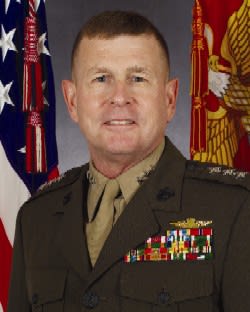
Lt. Gen. Richard Kelly helped lead the charge for the use of alternative fuels in the USMC.
A willingness to take risks isn't always considered a core value by managers of government assets. But the winners of one federal award for alternative fuel use last year attributed their success in part to "educated risk-taking."
The U.S. Marine Corps (USMC) was named as one of several recipients of the Federal Energy and Water Management Awards for 2003. Presented annually by the Federal Energy Management Program of the U.S. Department of Energy (DOE), the awards recognize individuals and organizations for significant contributions to the efficient use of energy and water in the federal government.
Cited specifically was the leadership of Lt. Gen. Richard Kelly. Based at USMC headquarters in Quantico, Va., Kelly is responsible for logistics and installations in the Marines.
A key component of energy management in the USMC, under Kelly's leadership, has been the use of alternative-fuel vehicles (AFVs) and alterative fuels. As a federal fleet operator, the USMC is regulated by the Energy Policy Act of 1992 (EPAct), which mandates alternative AFV acquisition in specific proportions; and by Executive Order 13149, which requires a 20 percent reduction in petroleum fuel use by federal fleets by 2005, using 1999 as a baseline.
As reported to FAST, the Federal Automotive Statistical Tool, the USMC estimated that by 2002 it had already reduced petroleum consumption by more than 24 percent, meeting its mandate three years ahead of schedule. In complying with EPAct, the Marines exceeded their fiscal year 2002 mandate for AFV acquisition by 82 percent, earning 862 credits when only 473 were required. With its considerable success already, the USMC is confident it will meet or exceed the requirements in both fiscal year 2004 and 2005.
Of its 862 credits accumulated in 2002, the Marine Corps earned 129 credits by using biodiesel fuel. (EPAct was amended in 1998 to award one AFV credit for every 450 gallons of pure biodiesel used.) B20 biodiesel, which is 20 percent biodiesel and 80 percent diesel, is used in most commercial, non-tactical vehicles in the USMC. Many such vehicles are not owned by the Marines, but leased from the U.S. General Services Administration. The Marines have promised to pay for any maintenance problems that may result from using biodiesel. So far, no such problems have occurred.
Top-Down Innovation
The USMC fleet of AFVs is a diverse mix. Approximately 800 compressed natural gas vehicles are in service, mostly in areas where natural gas fueling is widely available, including California. Above-ground ethanol-85 tanks are being installed at several Marine bases including Camp Lejeune, N.C., which received a $25,000 grant from the U.S. Department of Defense. To help sustain its petroleum-reduction success, the USMC deploys hybrid electric vehicles at locations where high-mileage travel is more common.
"The Marine Corps' leadership supports taking educated risk," says USMC Program Management Analyst Ed Wilkins. "These accomplishments are only achieved when leadership from top down is willing to encourage innovative ideas and welcome change."
A case in point was the path that led to the USMC's current heavy concentration of neighborhood electric vehicles (NEVs). It started small, with a few such vehicles tested at Marine Corps Air Station Yuma, in Arizona. Users questioned whether the very small, light vehicles would satisfy their needs as well as petroleum-powered cars and trucks. "Almost everyone had an argument about why they wouldn't work," says Wilkins.
NEVs proved superior in many applications. On a rifle range, for example, they're easier to maneuver and less likely to tear up the terrain. The USMC began finding new ways to take advantage of their inherent efficiency, using NEVs for transportation and light hauling. The word spread to all commands, and NEVs replaced many gasoline vehicles. In 2002, the USMC added 115 NEVs of various models at five installations in California, bringing the total number to more than 300 in the U.S.
Leading the way in NEV use is the Marine Corp Recruit Depot in San Diego, where more than 85 percent of all vehicles are either AFVs or NEVs. Under EPAct, NEVs are not considered alternative fuel vehicles and therefore don't help regulated fleets to meet their acquisition mandates. But in fleets in which they are widely used, as in the Marines, they help displace thousands of gallons of petroleum per year.
The plans are not without risk, but the burdens will be shared. The USMC has partnered in the project with the U.S. Army's Tank Automotive Command and Navy National Automotive Center, and with the U.S. Navy. Commercial automakers will help establish the fueling infrastructure and bring hydrogen vehicles to the bases for testing.
"This is proving to be a real education for all of us, working out the site locations and meeting all the permitting requirements," says Wilkins. "We're educating ourselves as well as the public, and we believe the benefits will be worth the cost."
More Operations

The FleetGap Initiative: Transitioning from Military to Civilian Fleet Roles
FleetGap is working to build the missing bridge between service members preparing for civilian careers and fleet employers facing workforce shortages.
Read More →
How Government Fleets Are Turning Connected Vehicle Data Into Practical Decisions
Public sector fleets are using connected technology to improve visibility, but the bigger challenge is building the processes to act on the information it provides.
Read More →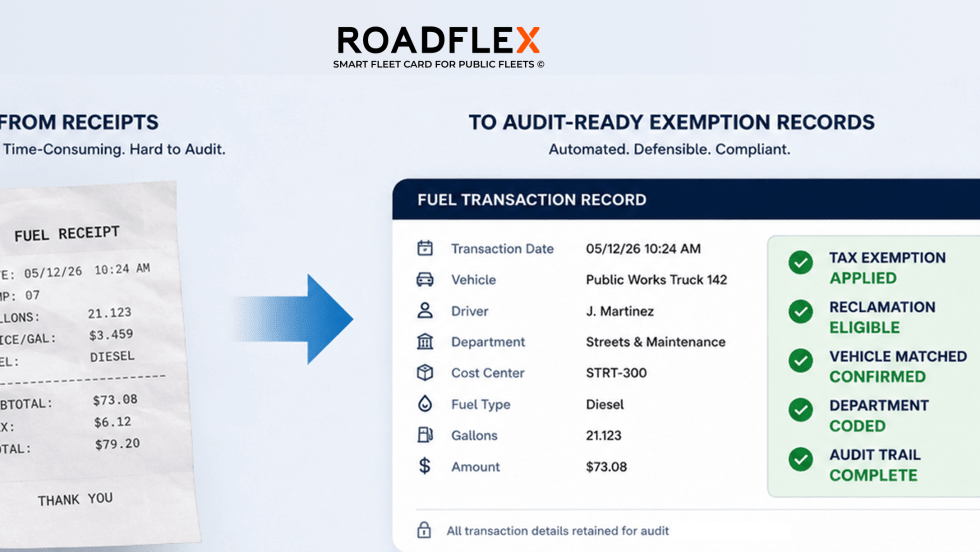
RoadFlex Brings Fuel Tax Compliance and Audit-Ready Reporting to Government, Public Works Fleets
New capabilities aim to help public-sector and public works fleets streamline fuel tax exemptions, reclamation, reconciliation, and audit-ready reporting.
Read More →
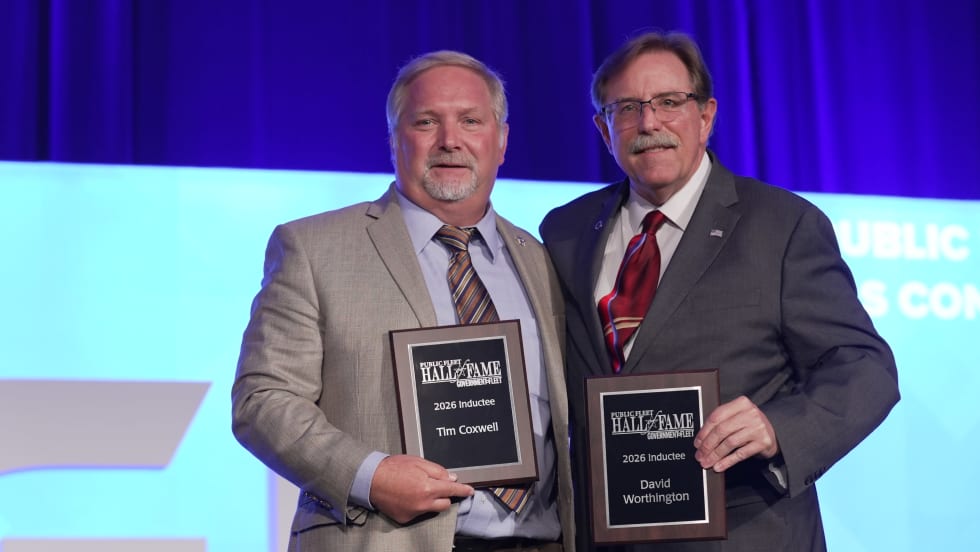
2026 Public Fleet Hall of Fame Inductees Honored
This year's class includes leaders whose work has helped shape the public fleet industry.
Read More →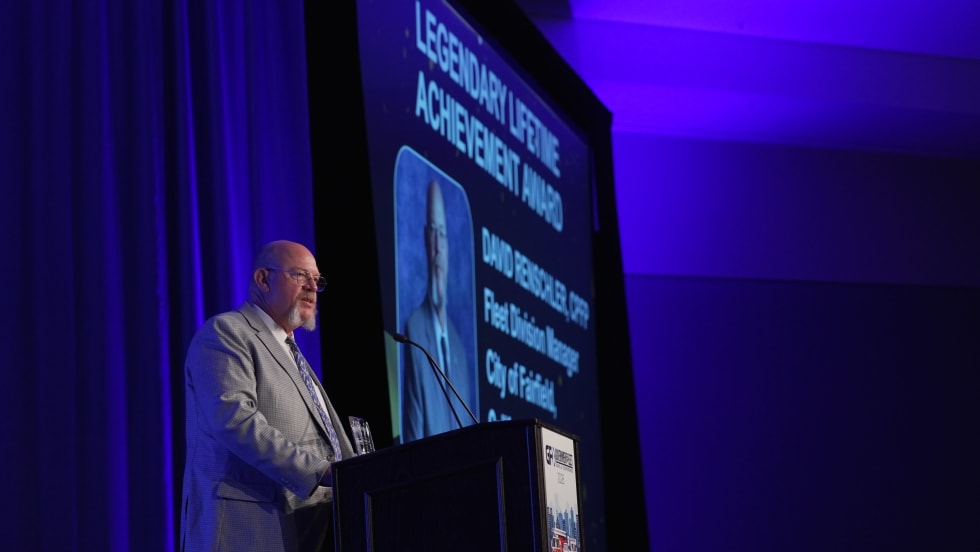
David Renschler Receives 2026 Legendary Lifetime Achievement Award
Andy Campbell of Sourcewell, which partnered with Government Fleet in presenting the award, recognized Renschler.
Read More →
Ross Jackson Jr. Named 2026 Public Sector Fleet Manager of the Year
His leadership, innovation, and commitment to excellence earned him one of the industry's top honors.
Read More →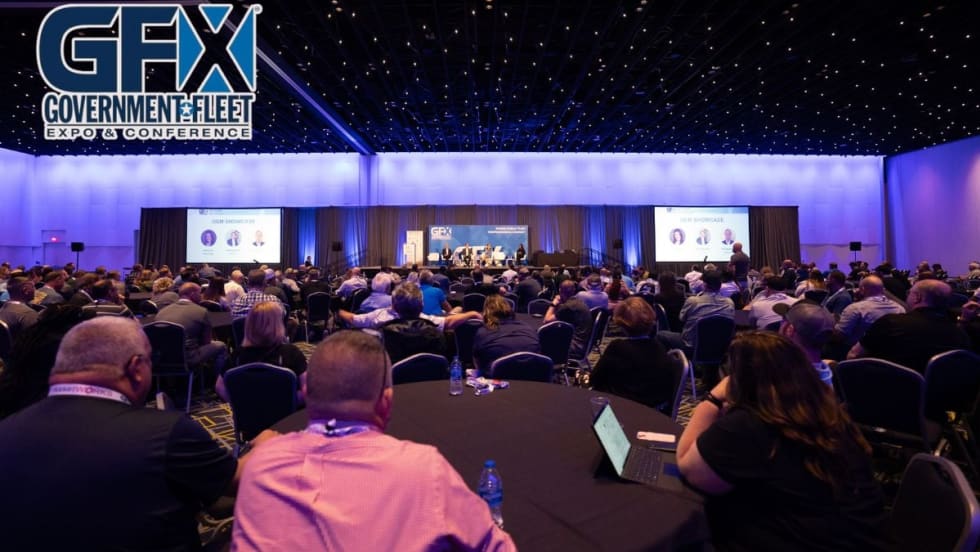
Public Fleet Professionals Set to Converge as GFX Gets Underway
Known as the largest gathering of public fleet professionals in the nation, GFX will feature in-depth training sessions, emerging fleet technologies, and access to leading suppliers and service providers.
Read More →
The Technician Pipeline: Finding, Keeping, and Promoting Techs Within the Operation
A look at where to find good talent, what fleets are doing to incentivize those techs to stay within the fleet, and what promotion looks like for a technician within the public sector.
Read More →
5 Public Fleet Stories Worth Revisiting Before GFX | The May Dispatch
Public fleet leaders are being asked to prepare for more, communicate better, and make decisions that hold up under pressure.
Read More →
Drive More Profit with Greater Fleet Uptime
Fleet downtime costs money. JASPER helps keep vehicles on the road with quality remanufactured components, fast nationwide delivery, and reliable solutions that boost uptime and profitability.
Read More →